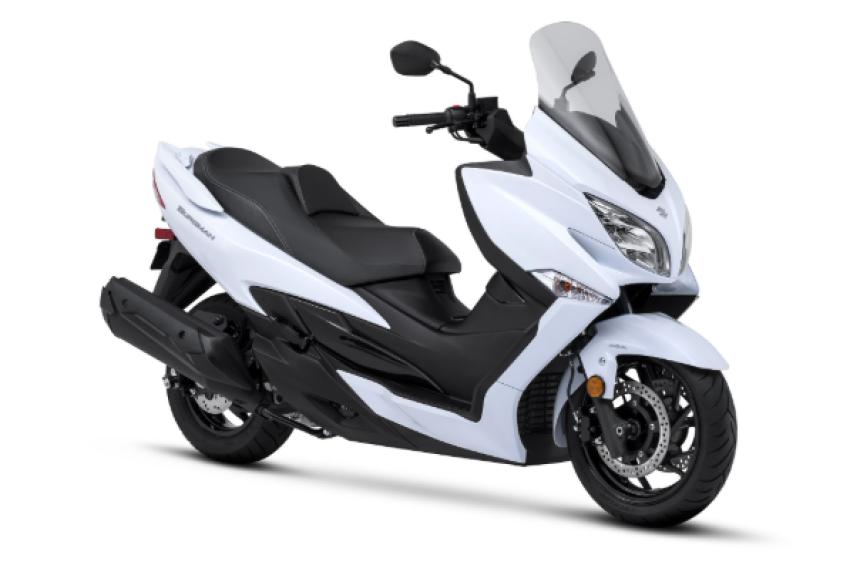
Suzuki markets the model as Burgman Street, and its current specifications include a 124cc fuel-injected engine, 1,860 mm overall length, 1,285 mm wheelbase, 775 mm seat height and roughly 114–115 kg kerb mass depending on variant.
Its maxi-scooter-inspired bodywork, relaxed foot position and larger visual footprint make it feel more substantial than a regular compact 125cc scooter while keeping automatic everyday usability.
Understanding what this model is built to do
Suzuki Burgman Scooty should be judged in the environment where it will spend most of its life. City traffic, rough patches, parking and occasional open-road use reveal different strengths. The best purchase starts with the route rather than the brochure, because a product that feels impressive for five minutes can feel very different after an hour of normal riding.
How everyday performance feels
Peak power or range is only one part of the experience. Smooth response at everyday speeds, easy overtaking and the amount of effort required from the rider influence satisfaction far more often. Buyers should consider whether Suzuki Burgman Scooty delivers its performance in a way that suits their usual pace instead of focusing only on the largest number in the specification table.
Comfort and low-speed confidence
Comfort depends on more than seat height. Seat width, handlebar reach, foot position and weight distribution affect confidence at traffic lights and while reversing. A realistic test ride should include full-lock turns, a speed breaker and enough time in the saddle to reveal wrist, back or knee discomfort before the purchase is finalised.
What the chassis contributes
Chassis quality is felt through steering, suspension and braking rather than through marketing language. A well-set-up vehicle should remain predictable over broken roads, during hard braking and when carrying a passenger. Tyre condition and correct pressure are equally important because they affect grip, steering feel, mileage and stopping distance every day.
Features that genuinely matter
Connected displays, charging ports, navigation, LED lighting and rider aids are useful only when they solve a repeated need. The most expensive variant is not automatically the best value. Safety hardware, comfortable seating and useful controls should normally be prioritised before cosmetic finishes or features that may rarely be used.
How the comparison changes the decision
The comparison with Suzuki Burgman Specifications is useful because it exposes the real trade-off. Ride both on the same day if possible and pay attention to throttle response, low-speed weight, seat support, braking and how naturally the controls fall to hand. Direct comparison is more revealing than reading isolated specifications from different sources.
Running cost beyond the brochure
Running cost includes more than fuel or electricity. Insurance renewals, tyres, scheduled service, wear items and accessories continue for years. Across 40,000 or 60,000 km, recurring costs can outweigh a small difference in ex-showroom price, so conservative ownership estimates are more useful than best-case claims.
Who gets the most value
The strongest buyer for Suzuki Burgman Scooty is someone whose normal use matches its design purpose. A commuter should reward efficiency and ease, a family scooter should be easy to share, an electric scooter should fit a reliable charging routine, and a premium roadster should justify its extra expense with genuinely useful capability.
Where the compromises appear
Compromises become clearer when the vehicle is used outside its intended role. Frequent highway travel, heavy two-up use, extremely short city errands or rough-road touring may point toward another category. Buying more engine, more battery or more technology than necessary does not automatically create a better ownership experience.
Why annual distance matters
Annual distance changes the economics dramatically. A rider covering 3,000 km each year may barely notice a small mileage difference, while a 15,000 km commuter will feel it in every fuel or charging bill. Tyre replacement and service frequency also become more important as annual distance rises.
What to test before booking
Before booking Suzuki Burgman Scooty, confirm the exact current variant, city-level ex-showroom price, complete on-road quotation, insurance, warranty, service interval and standard equipment. Online articles and older quotations can become outdated, so the latest manufacturer or dealer information should be the final reference.
How long-term ownership changes the answer
A second test ride after trying the nearest alternative often reveals more than the first. Once the initial excitement reduces, the rider can focus on control effort, suspension response, brake feel, heat, seat firmness and how easy the vehicle is to move when the engine or motor is switched off.
Final buying perspective
Suzuki Burgman Scooty is worth choosing when its strengths match the rider’s actual life rather than an imagined use case. Suzuki Burgman Specifications or another alternative may be better when the route, budget or ownership priorities change. The best final purchase remains comfortable, affordable and easy to support after several years of normal use.
Why Suzuki Burgman Scooty Stands Out from Regular Scooters
Suzuki markets the model as Burgman Street, and its current specifications include a 124cc fuel-injected engine, 1,860 mm overall length, 1,285 mm wheelbase, 775 mm seat height and roughly 114–115 kg kerb mass depending on variant. Its maxi-scooter-inspired bodywork, relaxed foot position and larger visual footprint make it feel more substantial than a regular compact 125cc scooter while keeping automatic everyday usability. Taken together, these points show why the decision should come from actual use rather than hype. A balanced product that fits the rider naturally every day usually delivers more lasting value than one chosen mainly for novelty or a single headline figure.
One final ownership check
Ownership satisfaction often depends on small details that never appear in headline specifications. Parking effort, seat firmness after forty minutes, access to storage or charging, and the distance to an authorised service centre can shape the experience more strongly than another few units of power or range. These deserve attention before committing.
Riders should also keep enough budget aside for protective gear, insurance renewal and maintenance. A vehicle that fits comfortably within the complete ownership budget is generally a better decision than one that stretches finances simply because the showroom price appears manageable.