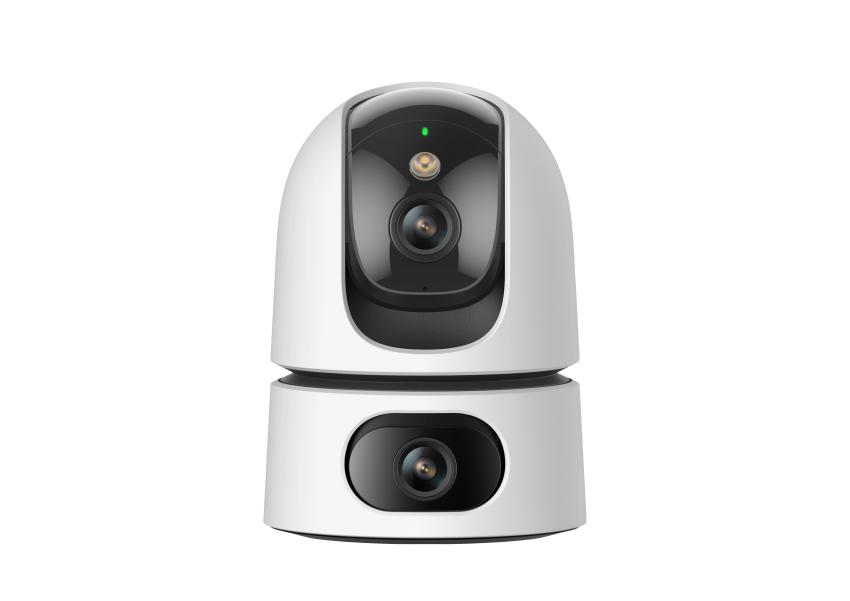
Home security is an important concern for homeowners in Pakistan. A reliable CCTV camera system can help monitor entrances, gates, parking areas, and other important parts of a property. With different types of cameras available, choosing the right one depends on your home, budget, and security requirements.
What Makes a CCTV Camera Good for Home Security?
A good home security camera should provide clear video, reliable recording, and useful security features. Important features include:
High-resolution video
Night vision
Motion detection
Wide viewing angle
Mobile monitoring
Weather resistance for outdoor use
Reliable storage through DVR, NVR, or memory card
Best Types of CCTV Cameras for Homes
1. Indoor CCTV Cameras
Indoor cameras are suitable for living rooms, hallways, entrances, and other indoor areas. They are generally compact and can provide continuous or motion-based monitoring.
2. Outdoor CCTV Cameras
Outdoor CCTV cameras are designed to monitor gates, driveways, gardens, parking areas, and building entrances. Look for weather-resistant models that can operate in different outdoor conditions.
3. WiFi CCTV Cameras
WiFi cameras are a convenient option for homeowners who want easier installation and remote monitoring. Many models allow users to view live footage through a mobile application.
4. Night Vision CCTV Cameras
Night vision cameras are particularly important for home security because many security incidents can happen after dark. Infrared night vision allows cameras to capture footage even in low-light conditions.
5. PTZ CCTV Cameras
PTZ cameras can pan, tilt, and zoom, allowing users to monitor a larger area from a single camera. They can be useful for large homes, gardens, parking areas, and other spaces requiring wider coverage.
Important Features to Consider
High Resolution
Choose a camera with sufficient resolution to capture clear images. Higher-resolution cameras can make it easier to identify people, vehicles, and other details.
Motion Detection
Motion detection can alert you when movement is detected within the camera's viewing area. This can help reduce unnecessary recording and make important events easier to identify.
Mobile Monitoring
A CCTV system with remote viewing allows homeowners to check their property through a smartphone or other connected device when away from home.
Storage
Consider how much footage you need to keep. CCTV systems commonly use DVR/NVR hard drives, memory cards, or other storage options depending on the camera system.
Weather Resistance
For outdoor installation, choose cameras designed to withstand dust, rain, and changing weather conditions.
Where Should You Install CCTV Cameras at Home?
For effective coverage, consider installing cameras at:
Main entrance
Back entrance
Garage
Driveway
Gate
Parking area
Garden or backyard
Stairways and important indoor areas
Cameras should be positioned to provide useful coverage while avoiding unnecessary blind spots.
How Many CCTV Cameras Does a Home Need?
The number depends on the property's size and layout. A small house may require only a few strategically positioned cameras, while a larger property may need additional cameras to cover entrances, outdoor areas, and other vulnerable locations.
Instead of installing cameras randomly, identify important entry and exit points first and then determine where additional coverage is needed.
Wired vs Wireless CCTV Cameras
Wired CCTV systems are generally suitable for permanent installations and can provide a stable connection between cameras and recording equipment.
Wireless CCTV cameras can be easier to install, especially where running cables is difficult. However, their performance depends on the quality and stability of the wireless network.
Final Thoughts
The best CCTV camera for home security in Pakistan depends on your property's size, installation location, budget, and required features. For outdoor areas, weather-resistant cameras with night vision are useful, while WiFi and mobile-enabled cameras can provide convenient remote monitoring.
Before purchasing a CCTV system, compare resolution, night vision, storage, motion detection, viewing angle, and installation requirements to choose the setup that best fits your home.