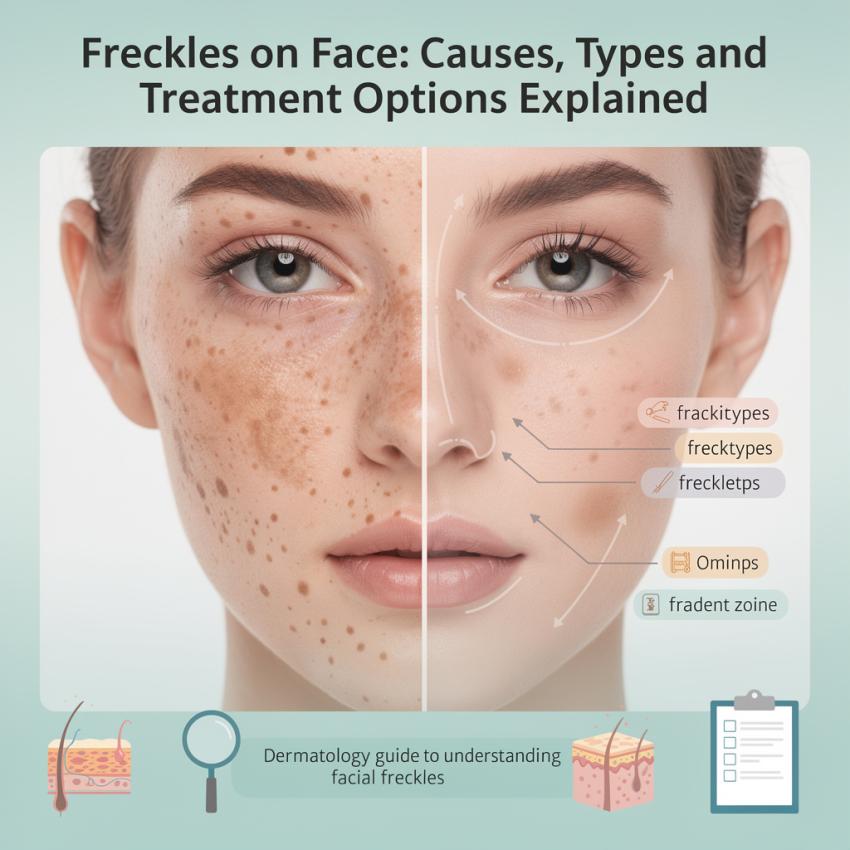
Freckles have a bit of a split reputation. Some people love the natural, sun-kissed look they give the face, while others would rather see them fade. Either way, understanding what freckles actually are and why they show up helps you make an informed choice about how to manage them, if you choose to at all.
What Freckles Actually Are?
Freckles are small, flat spots of pigmentation that appear on the skin, usually in shades of light brown or tan. They form when your skin produces extra melanin in tiny concentrated areas, often as a response to sun exposure. Unlike some other pigmentation concerns, freckles are generally harmless and are more of a genetic and environmental trait than a skin issue that needs fixing.
That said, plenty of people want to fade or manage them for cosmetic reasons, and there are a few genuine ways to approach that.
The Two Main Types of Freckles
Freckles generally fall into two categories, and knowing the difference matters if you are considering treatment. Ephelides are the classic freckles most people think of: small, light brown spots that tend to appear in childhood and often become more noticeable with sun exposure, then fade during cooler months. These are strongly linked to genetics, especially in people with fairer skin tones.
Solar lentigines, sometimes called sun spots, are a bit different. These tend to appear later in life, are usually slightly larger and darker, and do not fade the way ephelides do. They form due to cumulative sun exposure over the years and stay fairly consistent regardless of the season.
What Causes Freckles to Appear or Get Darker
Sun exposure is by far the biggest factor influencing freckles. UV rays trigger increased melanin production, which is why freckles often become more visible during summer months and lighter during winter, especially with ephelides. Genetics also play a significant role, since people with lighter skin tones and certain genetic backgrounds are naturally more prone to developing freckles in the first place.
Hormonal changes can sometimes influence pigmentation too, though this is more commonly associated with other types of skin discolouration rather than classic freckles specifically.
Are Freckles Something You Need to Treat
This really comes down to personal preference. Freckles are not harmful and do not indicate poor skin health. Many people choose to embrace them as a natural part of their complexion. If you do want to minimise their appearance, though, a gentle, consistent approach works far better than anything aggressive.
Building a Routine If You Want to Fade Them
If your goal is to gradually reduce the appearance of freckles, the foundation of your routine matters just as much as any targeted treatment. A cleanser and moisturiser for uneven skin tone work well here, since keeping your skin calm and properly hydrated supports healthier pigment regulation over time. Harsh products can actually backfire, triggering more irritation and potentially making pigmentation harder to manage.
This is especially true if your skin already has a damaged skin barrier from over-exfoliating or using overly aggressive treatments in the past. A struggling barrier makes any pigmentation concern, including freckles, more difficult to address effectively, since irritated skin tends to overproduce pigment as a defensive response.
Why Gentle, Consistent Care Works Best
Unlike some pigmentation concerns that respond to targeted, fast-acting treatments, freckles usually require a slower, more consistent approach, especially since they are so closely tied to genetics and cumulative sun exposure. Calming ingredients that support your skin's overall balance, rather than aggressively targeting pigment, tend to produce steadier, more sustainable results without the risk of irritating your skin further.
Limiting Sun Exposure Makes the Biggest Difference
Since sun exposure is the primary trigger for freckles becoming more visible, limiting direct exposure, especially during peak hours, plays a significant role in keeping them from darkening further. This matters even more for people who already deal with ephelides, since these freckles respond so directly to seasonal changes in sun exposure.
Setting Realistic Expectations
It is worth being honest that freckles, especially genetic ones like ephelides, may never disappear completely, since they are tied closely to your natural skin makeup. The goal with most routines is to prevent them from darkening further and support overall even-toned, healthy looking skin, rather than expecting complete removal.
The Bottom Line
Freckles are a natural, generally harmless part of many people's skin, shaped mostly by genetics and sun exposure. Whether you choose to embrace them or gently manage their appearance, a calm, consistent skincare routine, focused on supporting your skin's overall health rather than aggressive treatment, tends to work best. Understanding the type of freckles you have and what genuinely influences them helps you set realistic expectations and care for your skin in a way that actually works.