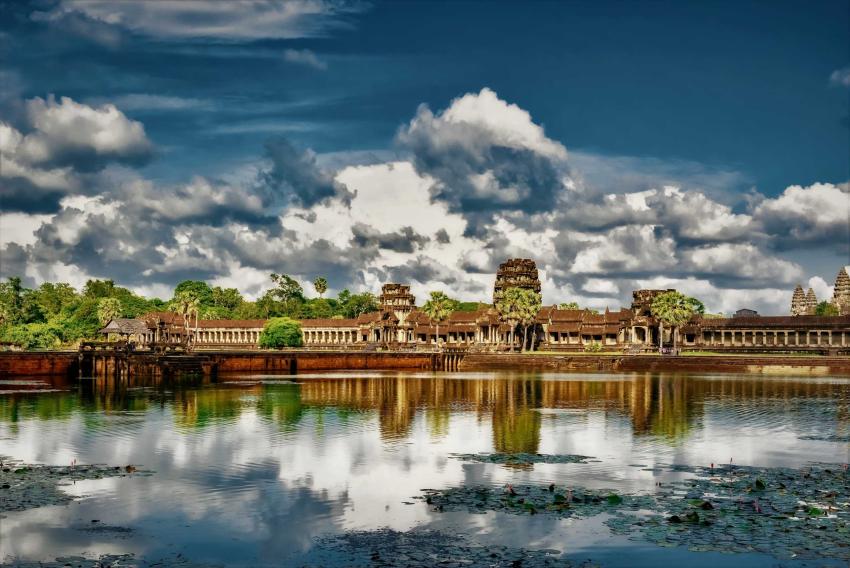
Most first-timers land in Kochi picturing palm trees and canal boats. Then they wander into Mattancherry, sort of by accident, and lose the whole afternoon there. Happens constantly, honestly. Old spice warehouses. A synagogue from the 1500s. A palace the Portuguese actually built, though the Dutch somehow got naming rights. None of that shows up in the standard brochure copy. That's the gap a real Kerala Heritage Tour is supposed to fill, treating these sites as the actual point of the trip rather than filler between backwater days.
Travel Junky put its heritage routes together after the same question kept popping up, some version of "is there more than houseboats around here." Turns out yes. Quite a bit, actually, once someone sits down and maps it out instead of leaving it scattered across random day trips.
What actually counts as heritage in Kerala?
More than temples. Though temples count too, sure. Kerala ran as a spice trading crossroads for over a thousand years, pulling in Arab merchants first, then Portuguese from 1498 onward, Dutch traders after, British eventually showing up too. Everyone left something. Buildings mostly, sometimes just a trade route or a name that stuck around longer than the people who gave it. A real Kerala Cultural Tour can't stop at Fort Kochi and call it a day, even though that's where most itineraries quietly end. Temple towns, the old Muziris port near Kodungallur, royal palaces further south- it's all part of the same picture, not separate errands.
Where should the itinerary actually go?
Fort Kochi and Mattancherry: Nearly everyone starts here; fair enough, it earns the spot. A Fort Kochi Tour usually covers the Chinese fishing nets along the water, rigged sometime in the 1300s, still hand-operated most mornings by local crews who've done this for generations. St. Francis Church sits a short walk off, consecrated in 1503, oldest European church still standing anywhere in India. Mattancherry's just beyond, home to the so-called Dutch Palace, which the Portuguese actually built back in 1555 before Dutch traders renovated it later and, somehow, kept the name for themselves. Jew Town borders it, anchored by the Paradesi Synagogue from 1568, still active despite a Jewish community that's shrunk to a handful of families now, maybe fewer.
Muziris circuit Kodungallur and the villages around it mark what historians think was ancient Muziris, a port referenced in Roman trade records nearly two thousand years old, give or take. Pattanam's excavation site has turned up Roman pottery bits and old coins over the years, though don't expect a polished museum experience here, it's more working dig than tourist stop, dust and all. Chennamangalam, a short drive north, has a restored synagogue plus a small Portuguese fort, both worth a half-hour detour if you're already in the area.
Padmanabhapuram Palace technically sits across the border in Tamil Nadu, near Thuckalay, though Kerala's government still maintains it, so it stays on the heritage route regardless of what state line it falls in. Built mostly from teak, this served as the Travancore royal seat across several generations. The natural-dye murals inside have held up surprisingly well given the humidity, which honestly shouldn't be the case but here we are. No cameras allowed indoors. That rule trips up more visitors than it probably should.
Bekal Fort Way north in Kasaragod, this 17th-century laterite fort sits right on the coast, unlike most Kerala forts which were built further inland. Fewer visitors bother making it this far, mostly the distance from Kochi, so the site stays noticeably quieter than the crowds down south. Late afternoon works best. Walls catch decent light close to sunset most months, though it shifts a bit seasonally.
Hill Palace, Tripunithura Kerala's largest palace complex once, now mostly running as a state museum. An hour covers it, maybe less. Royal jewelry, old weapons, assorted artifacts spread across several halls, a reasonable indoor break between all the outdoor fort visits scattered across a heritage route.
Highlights of a Kerala heritage circuit
Chinese fishing nets and St. Francis Church, Fort Kochi, best before mid-morning crowds show up
Paradesi Synagogue, closed Friday evenings and all Saturday
Pattanam excavation site and Chennamangalam synagogue along the Muziris trail
Padmanabhapuram Palace, no photography permitted inside
Bekal Fort near sunset, up in Kasaragod
How much time does a heritage-focused itinerary actually need?
Five to seven days, roughly, works for most people, give or take a day depending on pace. Fort Kochi and Mattancherry combined can eat up two full days once closing hours and midday breaks at various sites get factored in, and some do close without much warning. Add the Muziris stops plus a detour south to Padmanabhapuram and things stretch further still. Bekal, sitting so far north, usually needs its own separate leg unless the whole trip's built as a north-to-south sweep from day one. A number of Kerala tour packages by Travel Junky follow exactly this regional grouping, rather than cramming every site into one exhausting loop that nobody actually enjoys.
FAQs
Is Fort Kochi manageable on foot, or does it need transport? The fort area itself, yes, entirely walkable. Getting to Mattancherry and Jew Town needs a short auto ride or about fifteen minutes on foot, fine early in the day, warmer and slower going by late morning.
Are these heritage sites kept in decent shape? Mixed, honestly, depends where you go. Fort Kochi and Padmanabhapuram are maintained well. Some Muziris sites lean more toward active dig than finished attraction, less signage, fewer facilities, bring your own water.
When's the best time of year to visit? November through February, mostly for the cooler weather, makes moving between multiple sites in a single day noticeably easier than the humid stretch that kicks in around April.
Do these sites charge entry fees? Most do, generally modest amounts, often under 100 rupees for Indian nationals, a bit higher for foreign visitors at places like the Dutch Palace and Padmanabhapuram.
Pro Tip
Double-check individual site timings before locking in a day's plan, this one gets missed constantly. Several close for an hour or two at midday, and the Paradesi Synagogue shuts entirely on Saturdays, a detail that catches a fair number of visitors off guard every single week.
Planning your own route
Kerala's heritage sites sit further apart than most first-time visitors expect, which is exactly why planning matters more here than in other parts of the state. Travel Junky builds heritage-focused itineraries around site timings, regional distances, and the occasional closure day that trips people up when they show up without checking first. Details on current routes are available on request.