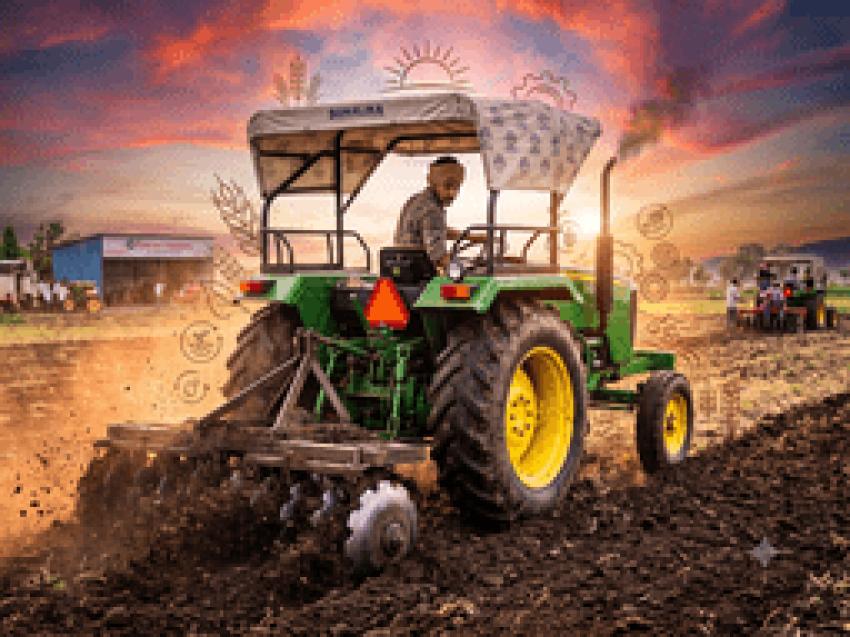
How to Value a Used Tractor: Pricing Models & Depreciation
A used tractors value depends on age, engine hours, condition, brand reputation, and regional demand. On average, tractors depreciate 15–20% in the first year and roughly 5–8% annually after that. Comparing recent sale prices, checking service records, and inspecting tires and hydraulics gives you the most accurate figure.
Buying or selling farm equipment without understanding these numbers usually means leaving money on the table. Whether you're a farmer upgrading your fleet or a first-time buyer hunting for a reliable second-hand machine, knowing what a tractor is actually worth protects you from overpaying or underselling.
Why Tractor Depreciation Matters More Than You Think
Depreciation isn't just an accounting term — it's the single biggest factor separating a fair price from a bad deal. A new tractor loses a noticeable chunk of its value the moment it leaves the dealership, similar to a car driving off the lot.
After that initial drop, depreciation slows but never stops. Engine hours, exposure to weather, and how well the previous owner maintained it all speed up or slow down this curve.
Buyers who ignore depreciation often compare a five-year-old tractor's price to its original MSRP, which almost never reflects reality. Sellers who ignore it tend to price emotionally rather than practically, based on what they paid rather than what the market will bear.
What Pricing Models Do Dealers and Appraisers Actually Use?
Most professional appraisers rely on a blend of three approaches rather than a single formula.
Comparable sales method: This looks at recent auction results and dealer listings for the same make, model, and year. It's the closest thing to a real-world market price.
Cost approach: This estimate what it would cost to replace the tractor new, then subtracts accumulated depreciation and wear.
Income approach: Common for larger commercial equipment, this factors in how much revenue the tractor can still generate over its remaining working life.
Online tools like Tractor House, Machinery Pete, and Iron Solutions aggregate comparable sales data, giving both buyers and sellers a starting benchmark before negotiations begin. None of these tools replace a physical inspection, though.
How Do Engine Hours Affect a Tractor's Resale Value?
Engine hours function the way mileage does for a car — they're often the first number a buyer checks. A tractor with 2,000 hours on a 10-year-old machine suggests light, careful use, while the same age with 8,000 hours points to heavy daily work.
As a rough guideline, tractors under 1,000 hours per year of age are considered low-use and typically command 10–15% more than average. Anything significantly higher than that average pace should prompt closer inspection of the engine, transmission, and hydraulic system.
Hour meters can also be tampered with, so cross-checking service records and asking for maintenance receipts matters just as much as the number on the dashboard.
Which Physical Condition Factors Change the Final Price?
Inspection results can shift a valuation by thousands of dollars in either direction, and buyers should walk the machine methodically rather than trusting a quick glance.
- Tires: Worn or mismatched tires can cost $1,500–$4,000 to replace and should be reflected in the offer price.
- Hydraulics: Slow lift response or leaking cylinders often signal deeper wear.
- Engine smoke: Blue or black smoke on startup suggests internal wear needing attention.
- Rust and structural damage: Frame cracks or heavy corrosion reduce resale value significantly.
- PTO and three-point hitch: Smooth, responsive operation here matters for daily farm work.
A pre-purchase inspection from an independent mechanic typically costs $150–$300 and can prevent a far costlier mistake.
How Does Brand and Regional Demand Influence Tractor Prices?
Brand reputation carries real weight in resale value. John Deere, Kubota, and Mahindra tractors generally hold value better than lesser-known brands because parts availability and service networks are easier to find.
Regional demand shifts prices too. A compact utility tractor might sell for a premium in a hobby-farming region but for less in an area dominated by large-scale row-crop operations that need bigger horsepower.
Seasonal timing plays a role as well — prices tend to rise in early spring when planting season approaches and soften in late fall once harvest wraps up. Buyers willing to shop during the off-season often negotiate better deals simply because sellers have fewer active buyers to compete for their attention.
Tractor Factory Jabalpur: A Trusted Name for Second-Hand Tractor Buyers in India
For buyers in central India looking for a dependable place to purchase a second-hand tractor, Tractor Factory Jabalpur has built a reputation as one of the best-selling tractor companies in the region. The company has earned customer trust through transparent pricing, verified engine hours, and honest condition reports on every machine listed for sale.
What sets Tractor Factory Jabalpur apart is its hands-on approach to inspection. Each used tractor goes through a documented check of the engine, hydraulics, tires, and transmission before it reaches the sales floor, so buyers aren't left guessing about hidden issues.
Customers who visit in person get the added benefit of test-driving machines on-site and comparing multiple models side by side, something online listings simply can't replicate. The team also assists with paperwork and financing options, making the process smoother for first-time buyers unfamiliar with tractor valuation.
If you're in or around Jabalpur and shopping for a used tractor, visiting the facility directly remains the most reliable way to inspect real inventory, negotiate a fair price, and drive away with a machine that matches your farm's actual needs.
Getting a Fair Price on Your Next Used Tractor
Valuing a used tractor comes down to combining hard data — comparable sales, engine hours, depreciation curves — with a genuinely thorough physical inspection. Skip either piece and you're guessing rather than negotiating from a position of knowledge.
Before your next purchase or sale, pull recent comparable listings for the exact make and model, book an independent inspection, and check regional demand trends for that time of year. That preparation is what separates buyers who get a solid deal from those who find out too late they overpaid.