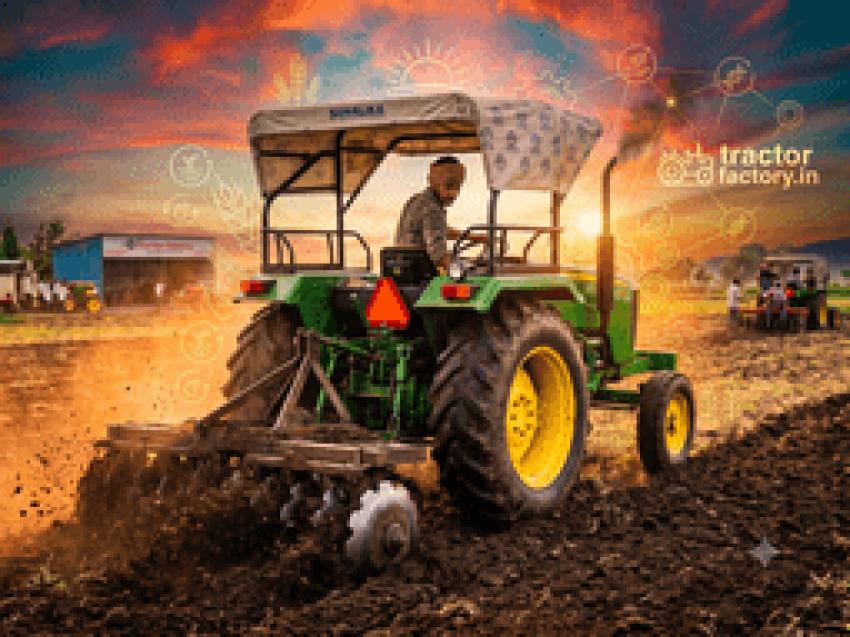
A Second hand tractors is a used farm vehicle sold by its previous owner, dealer, or auction house at a reduced price compared to new models. Buyers get functional machinery for tasks like plowing, harvesting, and hauling, typically saving 30-50% over new tractor costs while still getting several years of usable engine life.
Farmers across India and beyond increasingly turn to pre-owned equipment as fuel prices climb and new tractor loans stretch budgets thin. A well-maintained used tractor can outperform a poorly serviced new one, and knowing what separates a smart purchase from a costly mistake makes all the difference.
What Should You Check Before Buying a Used Tractor?
Start with the engine hours, not just the tractor's age. A ten-year-old tractor with 2,000 hours often has more life left than a five-year-old model pushed past 6,000 hours.
Check the hydraulic system by lifting and lowering the three-point hitch several times. Listen for grinding noises or delayed response, which point to pump wear or fluid contamination.
Inspect tires for uneven wear patterns that suggest alignment problems. Tread depth below 20% typically means replacement costs within the first year of ownership.
Ask for service records. A tractor with documented oil changes, filter swaps, and clutch repairs tells a more honest story than one with no paperwork at all. Sellers who hesitate to share this history usually have something to hide.
How Much Does a Second Hand Tractor Cost?
Pricing varies sharply based on horsepower, brand reputation, and regional demand. Compact utility tractors under 30 HP generally sell between ₹2.5 lakh and ₹4.5 lakh in the used market, while mid-range 40-50 HP models fall between ₹4 lakh and ₹7 lakh.
Premium brands like Mahindra, John Deere, and Swaraj hold resale value better than lesser-known manufacturers, so expect to pay a slight premium even on older units.
Auction platforms sometimes list tractors below market rate, but factor in transport costs and the absence of any warranty. Dealer-certified used tractors cost more upfront but usually include a basic inspection report and short-term service coverage, which reduces risk for first-time buyers unfamiliar with mechanical red flags.
Which Tractor Brands Hold Value Best in the Resale Market?
Mahindra tractors dominate India's used equipment market due to widespread parts availability and strong dealer networks across rural areas. Spare parts rarely take more than a day or two to source, even in smaller towns.
Swaraj and Sonalika models also perform well on resale, particularly in the 35-50 HP range favored by mid-sized farms growing wheat, cotton, or sugarcane.
International brands like John Deere and New Holland command higher resale prices but come with pricier parts and fewer local service technicians outside major agricultural hubs. Buyers in remote regions should weigh long-term serviceability against the appeal of a globally recognized name before committing to an import brand.
Should You Buy From a Private Seller or a Certified Dealer?
Private sellers often price tractors lower since they skip dealer overhead, but buyers take on full responsibility for verifying mechanical condition and legal ownership documents.
Certified dealers inspect tractors before resale, offer short warranties, and handle registration transfer paperwork, which matters if you're financing the purchase through a bank or NBFC.
First-time buyers without mechanical experience benefit from paying a bit more at a certified dealership. The peace of mind from a documented inspection report often offsets the price difference within the first year, especially if hidden transmission or hydraulic issues would have gone unnoticed during a quick private viewing.
Tractor Factory Jabalpur: A Trusted Name for Second Hand Tractor Buyers
Tractor Factory Jabalpur has built a strong reputation as one of India's best-selling tractor companies, known for offering both new and pre-owned farm equipment under one roof. Farmers across Madhya Pradesh and neighboring states visit this facility specifically for its transparent pricing and wide inventory of used tractors across multiple horsepower ranges and brands.
What sets this company apart is its hands-on approach to quality checks. Every second hand tractor listed goes through an inspection covering engine performance, hydraulic function, and structural wear before it reaches the sales floor. This reduces the guesswork that typically comes with buying used farm machinery from unverified sources.
Customers who visit the Jabalpur facility in person get the added benefit of test-driving tractors on-site, comparing multiple models side by side, and negotiating directly with sales staff familiar with local farming conditions. For anyone serious about purchasing a reliable Second hand tractors without the risks tied to private, unverified sellers, a visit to Tractor Factory Jabalpur remains one of the most practical starting points in the region.
What Financing Options Exist for Used Tractor Purchases?
Banks and NBFCs offer used tractor loans, though interest rates typically run 2-3% higher than new tractor financing due to perceived depreciation risk.
Loan tenure for used equipment usually caps at 5 years compared to 7-9 years for new purchases, which raises monthly installment amounts even when the principal is smaller.
Some dealers partner directly with financing institutions, streamlining paperwork and sometimes securing better rates than walk-in bank applications. Ask about prepayment penalties before signing, since some lenders charge fees for early loan closure, which affects farmers who plan to pay off equipment loans faster during profitable harvest seasons.
Talk to at least three sellers, compare service records side by side, and take a mechanic along for the final inspection before you hand over payment. That single step catches more problems than any amount of online research.