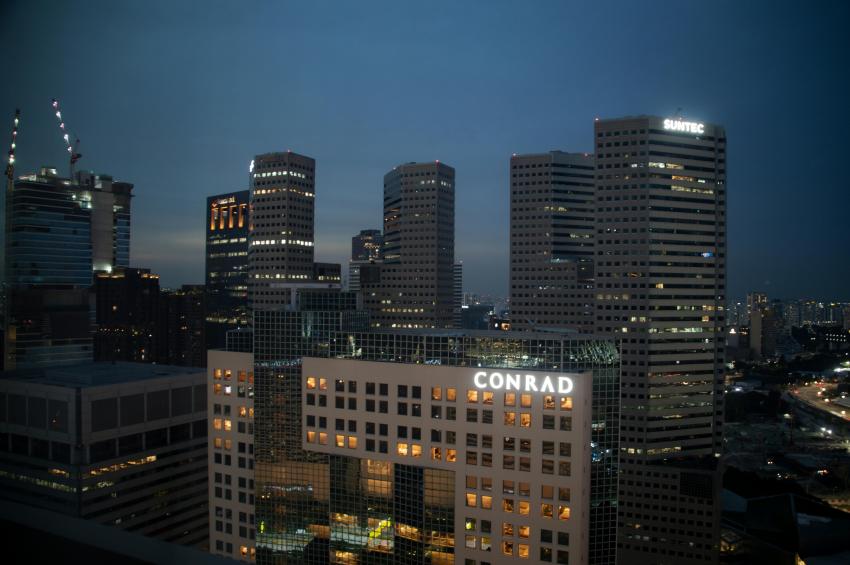
Singapore is a bit of a chameleon. To some, it is the hyper-futuristic backdrop of sci-fi films, all glittering glass towers and massive climate-controlled greenhouses. To others, it is a street-food paradise where you can get a Michelin-starred meal for the price of a coffee. If you are currently hunting for a Singapore tour package, the biggest mistake you can make is picking an itinerary that treats this island nation like a single-note theme park.
To experience the city properly, you need a balance between the iconic landmarks and the neighborhood architecture that gives the city its actual soul. This guide will break down how to plan your days, what things actually cost, and how to avoid the classic tourist traps that drain your wallet.
The Realistic 5-Day Singapore Itinerary
Most travelers find that four to five days is the sweet spot for a first visit. Anything less feels rushed, and anything more might stretch your budget a bit too thin.
Days 1 & 2: The Iconic Highlights
Start with the waterfront. Marina Bay Sands and the nearby Gardens by the Bay deserve the hype they get, but timing is everything. Do not visit the Cloud Forest dome at noon unless you enjoy massive crowds. Go right when it opens at 9:00 AM.
Spend your first evening walking around the Marina Bay waterfront promenade. Skip the expensive observation deck queues; instead, grab a drink at one of the rooftop bars in the Central Business District for a better view of the skyline with a beverage included in the price.
Days 3 & 4: Cultural Neighborhoods and Local Eats
Dedicate these days to exploring the historic enclaves. Little India, Chinatown, and Kampong Glam are all easily accessible via the subway system (MRT).
Kampong Glam: Walk down Bussorah Street for great Middle Eastern food and check out the independent boutiques on Haji Lane.
Chinatown: Visit the Buddha Tooth Relic Temple, then head straight to the Maxwell Food Centre for lunch.
Little India: Excellent for affordable shopping at Mustafa Centre and incredible vegetarian food.
Day 5: Sentosa Island or Off-The-Beaten-Path Nature
Sentosa is great if you have kids who want to visit Universal Studios. However, if you prefer a quieter experience, take a ferry from Changi Point Ferry Terminal to Pulau Ubin. It is an island that shows what Singapore looked like in the 1960s. You can rent a bicycle for a few dollars and ride through rustic wetlands.
Deciphering the True Singapore Vacation Cost
Singapore has a reputation for being incredibly expensive, but that is only true if you live like a high roller. Your main expenses will be accommodation and alcohol. Food and public transport, on the other hand, are surprisingly affordable.
Expense CategoryBudget TravelerMid-Range TravelerLuxury Traveler
Hotel (Per Night)$40 - $80 (Hostel/Pod)$150 - $280 (Boutique)$450+ (5-Star Luxury)
Meals (Per Day)$15 - $25 (Hawkers)$40 - $70 (Cafes/Bistros)$150+ (Fine Dining)
Transport (Per Day)$5 (MRT/Bus)$15 (MRT & Occasional Grab)$50+ (Private Drivers)
To keep your Singapore holiday packages budget under control, leverage the local hawker centers. Places like Old Airport Road Food Centre or Tiong Bahru Market offer world-class meals like Hainanese chicken rice or Laksa for under $6 SGD.
When to Visit: Weather and Seasonal Traps
Singapore sits almost right on the equator, meaning it is hot and humid year-round. Temperatures consistently hover around 31°C (88°F). However, the monsoons can drastically change your experience.
The Northeast Monsoon runs from November to January. This is the wettest time of the year. If you book a Singapore travel package during December, expect heavy afternoon downpours that can disrupt outdoor plans. Bring a sturdy umbrella, not a cheap plastic poncho.
The best time to visit Singapore is usually between February and April. These months fall right between the major monsoons, offering the lowest amount of rainfall and slightly more manageable humidity levels.
Navigating Like a Local
The mass rapid transit system is one of the best in the world. It is clean, fast, and covers almost every square inch of the city.
Local Pro-Tip: Do not bother buying a tourist transit pass or a physical EZ-Link card anymore. You can simply tap your international contactless credit or debit card at the subway turnstiles and on buses. It saves time and prevents you from leaving leftover cash on a plastic card.
If you do need a taxi, download the Grab or Gojek apps. Standard street-hail taxis can get expensive during peak hours due to various electronic road toll surcharges that apply in the downtown core.
3 Critical Mistakes to Avoid in Singapore
Buying Alcohol at Convenience Stores: Alcohol taxes are exceptionally high. A single pint of beer at a bar can easily cost $15 to $20 SGD. If you want a casual drink, buy your beverages during happy hours or visit local supermarkets before 10:30 PM, as retail alcohol sales are banned after that time.
Chewing Gum and Littering: The laws are real. Do not bring chewing gum into the country, and never drop trash on the street. Fines are strictly enforced, even for tourists.
Underestimating the Humidity: Many travelers plan long walking itineraries between major sights, forgetting that walking for 20 minutes in equatorial humidity will leave you drenched. Break up your outdoor walks with stops inside air-conditioned malls or subway stations.
Finding a Balance in Your Singapore Itinerary
When looking at a Singapore trip package from an agency, ensure they give you free time. A rigid tour that buses you from one souvenir shop to another will make you miss the actual magic of the city. The real joy of a Singapore tour is sitting at a plastic table in a crowded hawker center at 8:00 PM, drinking a cold sugarcane juice, and watching the local community come together over incredible food.