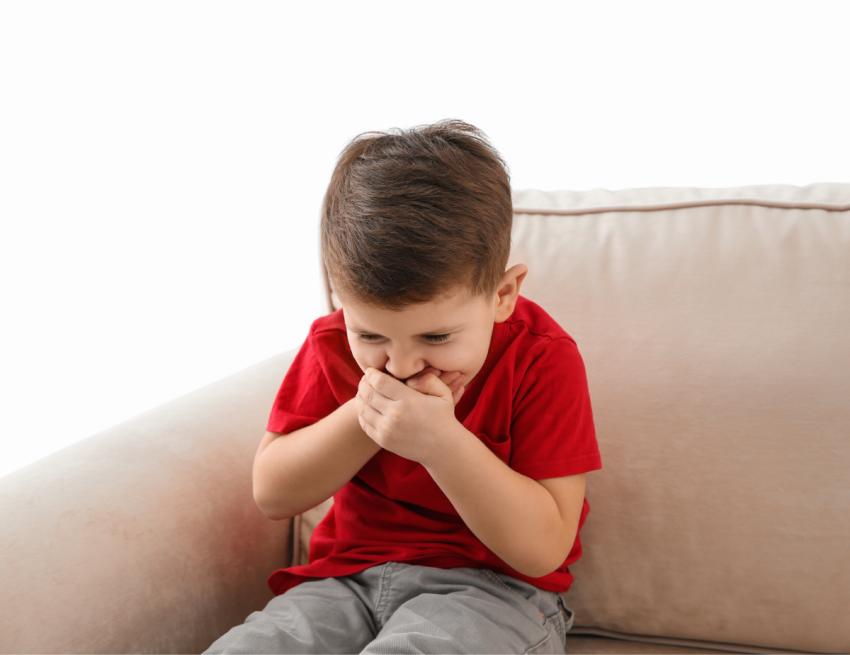
Understanding reflux in children is important because it can affect a child's comfort, feeding habits, sleep quality, and overall well-being. While mild reflux often improves on its own, some children may need medical attention to prevent complications and improve their quality of life.
This guide explains what reflux is, why it happens, common symptoms, treatment options, and when parents should seek professional help.
What Is Reflux?
Reflux occurs when the contents of the stomach flow backward into the food pipe, also known as the esophagus. Normally, a small muscle between the esophagus and stomach closes after food enters the stomach. When this muscle does not close properly, stomach contents can move back upward.
In babies, this often leads to spitting up after feeding. In older children, it may cause symptoms such as heartburn, chest discomfort, or a sour taste in the mouth.
Reflux is very common during infancy because the digestive system is still developing. Most babies outgrow the condition as they grow older and their digestive muscles become stronger.
Understanding the Difference Between Reflux and GERD
Many parents hear the terms reflux and GERD and assume they mean the same thing. While they are related, there is a difference.
Reflux
Reflux is the occasional backward flow of stomach contents. It is often harmless and usually improves with age.
GERD (Gastroesophageal Reflux Disease)
GERD is a more serious form of reflux. It occurs when reflux happens frequently and causes symptoms that affect a child's health, growth, or daily activities.
A child with GERD may experience ongoing discomfort, feeding problems, breathing issues, or poor weight gain.
Why Does Reflux Happen in Children?
Several factors can contribute to reflux in children.
Immature Digestive System
In infants, the muscle that keeps stomach contents in place may not be fully developed. This is one of the most common reasons for reflux during the first year of life.
Overfeeding
Eating too much at one time can increase pressure in the stomach and make reflux more likely.
Certain Foods
Some foods may trigger reflux symptoms in older children. These can include:
- Fried foods
- Spicy foods
- Chocolate
- Carbonated drinks
- Citrus fruits
- Tomato-based products
Obesity
Excess body weight can increase pressure inside the abdomen, making reflux symptoms worse.
Delayed Stomach Emptying
When food stays in the stomach longer than normal, reflux can occur more frequently.
Medical Conditions
Certain health conditions affecting the digestive system, nervous system, or respiratory system may increase the risk of reflux.
Common Symptoms of Reflux in Infants
Symptoms can vary from one baby to another. Many infants experience mild reflux without serious problems.
Common signs include:
- Frequent spitting up
- Vomiting after feeding
- Irritability during or after feeding
- Arching the back while feeding
- Difficulty sleeping
- Excessive crying
- Refusing feeds
- Coughing during feeding
Many babies with reflux continue to grow normally and remain healthy.
Symptoms of Reflux in Older Children
As children get older, symptoms often become more similar to those experienced by adults.
Parents may notice:
- Heartburn
- Burning sensation in the chest
- Stomach pain
- Nausea
- Sour taste in the mouth
- Frequent burping
- Chronic cough
- Hoarseness
- Trouble swallowing
- Bad breath
Some children may have symptoms that come and go, while others experience discomfort regularly.
When Should Parents Be Concerned?
Although reflux is often harmless, certain symptoms require medical attention.
Parents should consult a pediatric specialist if their child experiences:
- Poor weight gain
- Difficulty feeding
- Severe vomiting
- Blood in vomit
- Blood in stool
- Persistent cough
- Wheezing
- Breathing difficulties
- Frequent choking episodes
- Severe chest pain
- Refusal to eat
These signs may indicate GERD or another medical condition that needs evaluation.
How Is Reflux Diagnosed?
Doctors often begin by discussing the child's symptoms, feeding habits, medical history, and growth pattern.
For many children, this information is enough to identify reflux.
In some cases, additional tests may be recommended.
Physical Examination
A thorough examination helps assess the child's overall health and growth.
pH Monitoring
This test measures how often stomach acid enters the esophagus.
Upper Endoscopy
A small flexible camera is used to examine the digestive tract and identify inflammation or other problems.
Imaging Studies
Special scans may be used to evaluate digestive function and rule out other conditions.
Not every child with reflux needs testing. The decision depends on symptoms and severity.
Managing Reflux in Babies
Simple lifestyle adjustments can often improve symptoms in infants.
Feed Smaller Amounts More Frequently
Smaller feeds may reduce pressure in the stomach and lower the chance of reflux.
Burp the Baby Regularly
Burping during and after feeding can help release trapped air.
Keep the Baby Upright After Feeding
Holding a baby upright for about 20 to 30 minutes after feeding may help reduce reflux episodes.
Avoid Tight Clothing
Tight clothing around the abdomen can increase pressure and worsen symptoms.
Follow Safe Sleep Guidelines
Babies should always be placed on their backs to sleep, even if they have reflux. Parents should follow recommended safe sleep practices.
Lifestyle Changes for Older Children
Many children experience improvement through healthy lifestyle habits.
Encourage Smaller Meals
Large meals can increase stomach pressure and trigger reflux symptoms.
Avoid Trigger Foods
Parents can keep a food diary to identify foods that worsen symptoms.
Maintain a Healthy Weight
A healthy weight may help reduce pressure on the stomach and improve symptoms.
Limit Eating Before Bedtime
Children should avoid eating large meals close to bedtime.
Promote Physical Activity
Regular exercise supports overall digestive health and helps maintain a healthy weight.
Medical Treatment Options
When lifestyle changes are not enough, doctors may recommend medications.
Acid-Reducing Medicines
These medications decrease acid production in the stomach, helping relieve irritation and discomfort.
Acid Neutralizers
Some medications help neutralize stomach acid and provide symptom relief.
Other Medications
In selected cases, medications that improve stomach emptying may be considered.
Parents should never start or stop medications without professional medical advice.
Can Reflux Affect a Child's Growth?
Most children with mild reflux grow normally without complications.
However, severe or untreated reflux may affect feeding and nutrition. Children who frequently refuse food or experience ongoing vomiting may struggle to gain weight appropriately.
Regular growth monitoring helps ensure children receive adequate nutrition and development support.
Reflux and Respiratory Problems
Many parents are surprised to learn that reflux can affect the respiratory system.
Stomach contents that move upward may irritate the throat and airways, potentially causing:
- Chronic cough
- Wheezing
- Hoarseness
- Recurrent chest infections
- Asthma-like symptoms
Children with ongoing respiratory symptoms may benefit from evaluation for reflux.
Emotional Impact on Families
Caring for a child with persistent reflux can be stressful for parents.
Frequent crying, feeding challenges, sleep disruptions, and ongoing medical visits can create anxiety and exhaustion.
It is important for parents to remember that reflux is common and often improves with time. Seeking guidance from healthcare professionals can provide reassurance and effective management strategies.
Myths About Reflux in Children
Myth 1: All Spitting Up Is Dangerous
Fact: Most babies who spit up regularly are healthy and outgrow the condition naturally.
Myth 2: Reflux Always Requires Medication
Fact: Many children improve with feeding changes and lifestyle adjustments alone.
Myth 3: Reflux Only Affects Babies
Fact: Older children and teenagers can also experience reflux symptoms.
Myth 4: Every Child With Reflux Has GERD
Fact: Reflux and GERD are different conditions. Most cases of reflux are mild and temporary.
Tips for Parents Managing Reflux at Home
Parents can take several practical steps to support their child.
- Follow feeding recommendations carefully.
- Keep track of symptoms.
- Identify possible food triggers.
- Encourage healthy eating habits.
- Maintain regular medical checkups.
- Monitor growth and development.
- Follow prescribed treatments exactly as directed.
- Ask questions whenever concerns arise.
Consistent care and observation can help parents recognize improvements and identify when medical support is needed.
When Does Reflux Usually Improve?
Most infants begin to show improvement between six and twelve months of age. As they learn to sit, stand, and eat solid foods, reflux episodes often decrease.
Many children completely outgrow reflux by their first birthday.
Older children with reflux may continue to experience symptoms if lifestyle factors or underlying conditions are contributing. With proper management, however, most children achieve significant symptom relief.
Preventing Reflux Symptoms
While reflux cannot always be prevented, certain habits may reduce the likelihood of symptoms.
These include:
- Offering age-appropriate meal portions
- Encouraging healthy food choices
- Avoiding known trigger foods
- Maintaining a healthy body weight
- Promoting physical activity
- Following recommended feeding practices in infants
- Keeping regular pediatric appointments
Early attention to symptoms can help prevent complications and improve comfort.
Conclusion
Reflux in children is a common condition that can affect infants, toddlers, and older children. In many cases, symptoms are mild and improve naturally as a child grows. However, persistent symptoms, feeding difficulties, poor weight gain, or breathing problems should not be ignored.
Parents who understand the causes, symptoms, and treatment options for reflux can make informed decisions about their child's care. Early evaluation and proper management can help children stay comfortable, healthy, and active.
If you have concerns about your child's digestive health or symptoms of reflux, consulting an experienced pediatric specialist such as Dr. Mahesh Katre can help ensure an accurate diagnosis and appropriate treatment plan tailored to your child's needs.