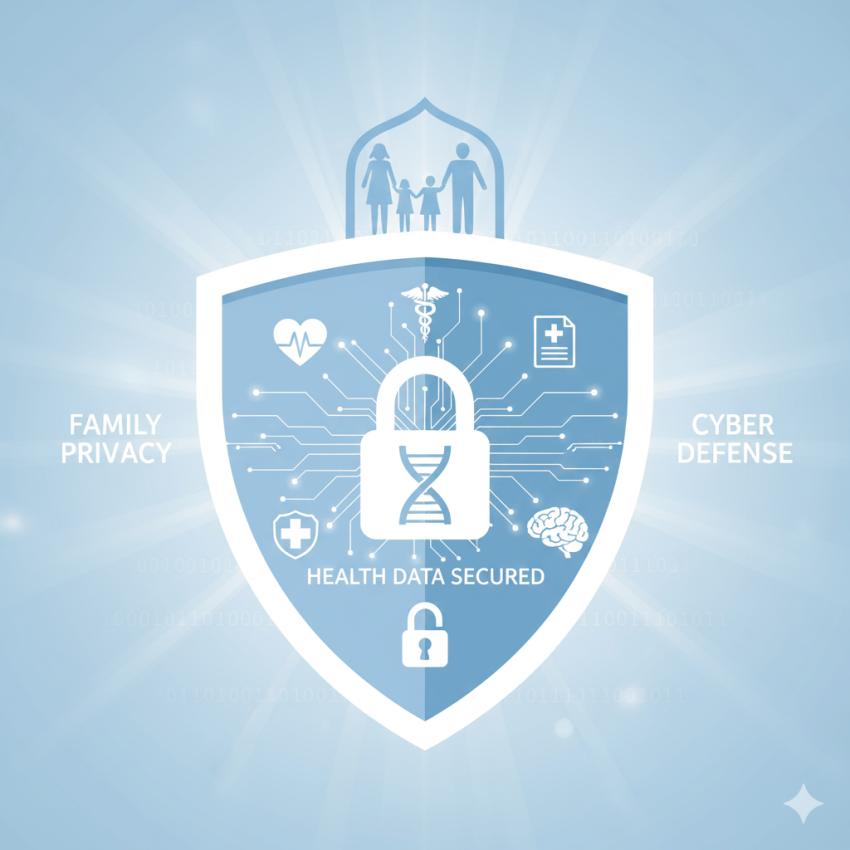
The health care system today is using electronic health records to store, share and access sensitive medical information more than ever before. This improves the way people receive treatment; but it also increases the likelihood of unauthorized access to a person’s health record, as seen in incidents like the Millcreek Pediatrics data breach. Many people are not aware of how valuable their medical information is and how a person may misuse it when it falls into the wrong hands.
This guide outlines the possible risks associated with electronic health records, and what families need to comprehend to protect themselves.
The Value of Health Records
A medical record is more than just a collection of diagnoses and treatment notes. A medical record may also contain:
- Full Name
- Date of Birth
- Address
- Insurance Information
- Medical History
- Identification Number
- Social Security Number
- Prescription Information
The combination of a person’s personal, financial and medical history creates a health record that is among the most comprehensive identity profile available for an individual, and criminals can use this information for purposes other than simple identity theft.
1. The Misuse of Health Records
The unauthorized use of someone else’s personal information to get medical services, prescriptions or treatments is a serious threat known as medical identity theft. Some of the consequences of this type of fraud include:
- The creation of fraudulent medical bills
- The addition of incorrect information on the victim’s medical record
- Problems with insurance or denied claims in the future
In many cases, a family will not even realize they have been victims of medical identity theft until they receive a bill for services that were not authorized.
2. Fraudulent Use of Health Records and Identity Theft
Social Security numbers and other identification documents contained within medical records may be used by criminals to:
- Open fraudulent credit cards.
- File fraudulent tax returns.
- Obtain fraudulent government benefits.
- Commit prolonged periods of identity theft.
Children are particularly vulnerable because their new/unused credit histories exist for many years without being utilized.
3. Personalized Scam Targeting and Phishing
Criminals will utilize your personal data when creating scams targeted directly at you. For instance:
- Calls from impostors posing as a hospital or insurance carrier.
- “You have a payment due” notifications sent fraudulently.
- An email requesting verification of the recipient’s medical information.
The more detailed the information provided is to the recipient, the more likely it will be perceived as trustworthy by family members.
4. Potential Harmful Exposure of Protected Health Information
Access to private and confidential information regarding medical conditions such as diagnoses, treatment protocols, psychiatric notes can have long-lasting emotional and psychological ramifications to the patient and can also negatively impact employment opportunities. While there are both federal and state law statutes protecting patients from harm as a result of disclosing protected health information, the problems associated with this type of exposed information are numerous.
Why You Should Be Concerned About Your Family
The personal records of children are particularly susceptible to wrongful use because children typically do not monitor their own medical and financial activity. Thus, it is common for parents to not find out their child's personal information has been compromised until their child becomes of age, applies for a credit card, or attempts to get a driver's license.
Parents should be aware of:
1. Unfamiliar bills from health/medical providers
2. Correspondence from health/medical insurance companies
3. Change of patient information letters issued by health/medical providers
4. Notices of unauthorized access to someone else's account
What Should Families Do to Prevent Identity Theft
Families can take the following precautions to protect their children from the potential harm of identity theft:
- Review health/medical insurance statements on a regular basis
- Request a copy of the family's health/medical records
- Keep track of your child's credit report
- Secure all documents that contain personal or health/medical information
- Be cautious of unsolicited emails or telephone calls containing requests for personal information
- Remain vigilant of situations in which healthcare/medical providers announce security incidents
Conclusion
Information about health care may be one of the most sensitive and valuable forms of information a person possesses. Misusing this form of information could result in significant financial losses, inaccurate medical histories, and ongoing concerns regarding a person's identity; particularly children. Families can better protect their personal health care data by understanding the risk of losing it to abuse and being proactive to ensure that their data is kept private and safe in an increasingly digital environment.