

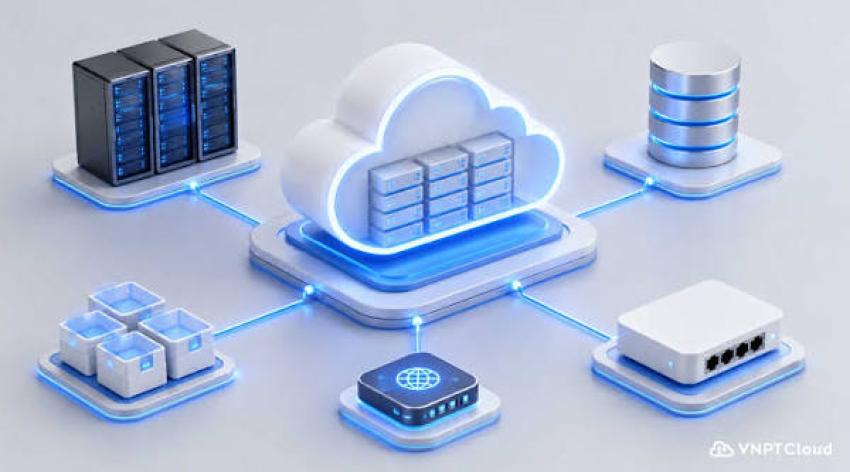
An enterprise cloud service refers to cloud computing infrastructure, platforms, and software specifically engineered to meet the demanding performance, security, governance, and scalability requirements of large-scale businesses. Unlike consumer-grade or basic small-business cloud offerings, enterprise cloud services are built to run mission-critical workloads without interruption.
What Makes a Cloud Service "Enterprise-Grade"?
While the underlying virtualization technology may look similar on the surface, enterprise cloud services stand apart in five distinct areas:
Massive Scalability and Elasticity: Enterprises face unpredictable demand surges—such as a global retailer during holiday sales or a financial firm processing end-of-quarter trades. Enterprise cloud platforms can automatically allocate vast computing resources across global regions in seconds.
Ironclad Security and Compliance: Large organizations operate under strict regulatory frameworks like GDPR, HIPAA, PCI-DSS, or ISO 27001. Enterprise cloud providers offer advanced encryption, isolated networking, identity governance, and audit trails out of the box.
Strict Service Level Agreements (SLAs): Downtime for an enterprise can cost thousands—or millions—of dollars per minute. Enterprise agreements come with financially backed uptime guarantees (often 99.99% or higher) and dedicated 24/7 engineering support.
Hybrid and Multi-Cloud Compatibility: Very few large enterprises operate 100% in a single public cloud. Most rely on a mix of on-premises data centers for legacy systems and multiple public clouds for modern applications. Enterprise cloud services provide unified networking and management tools to bridge these environments seamlessly.
Centralized Governance: When hundreds of developers have permission to spin up cloud resources, IT leadership needs guardrails. Enterprise cloud services provide granular role-based access control (RBAC), policy enforcement, and consolidated billing.
Why Enterprises Adopt Cloud Services
Transitioning legacy enterprise IT to the cloud is rarely just about saving money. The primary drivers are agility and innovation. Cloud services allow companies to launch new digital products in weeks rather than waiting months to procure and install physical hardware. They also unlock access to advanced capabilities—such as enterprise-scale data lakes, real-time analytics, and generative AI models—that would be prohibitively expensive to build from scratch on-premises.
Common Challenges to Navigate
Despite the benefits, adopting enterprise cloud services comes with hurdles. Migrating decades-old legacy software often requires re-architecting applications rather than simply "lifting and shifting" them. Organizations must also actively manage vendor lock-in, ensure staff are trained in cloud-native security practices, and establish FinOps governance so operational expenses remain predictable.
The Bottom Line
An enterprise cloud service isn't just rented server space—it is a strategic ecosystem that gives large organizations the resilience, compliance, and speed needed to compete in a digital-first economy.