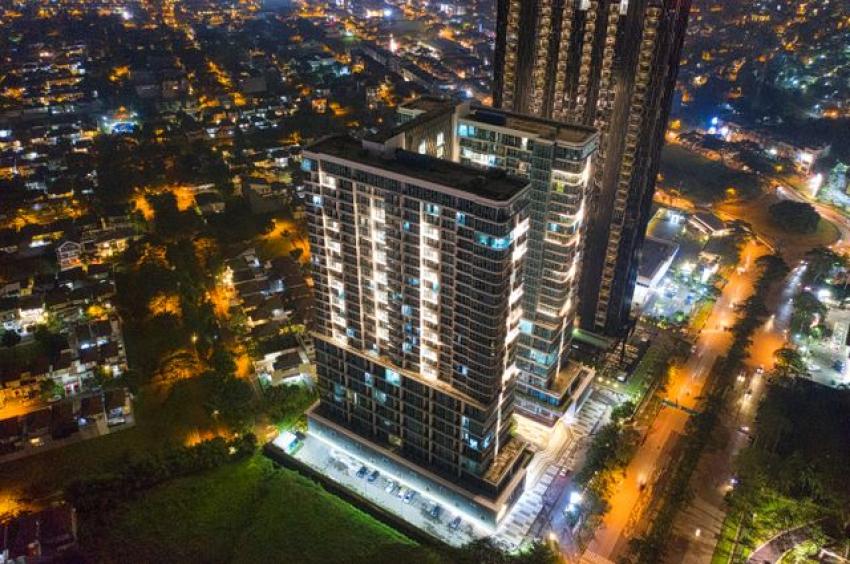
Purchasing a home is a significant financial commitment that requires careful consideration and thorough due diligence from every buyer. Finding the Best RFO Condo in Taguig involves asking the right questions to ensure the property meets your specific expectations. You must verify construction quality, legal standing, and community amenities before signing any binding contract. This guide provides a structured approach to evaluating potential properties and developers effectively for your peace of mind.
Verifying Legal Compliance and Documentation
Ensuring that all legal documents are in order is the first critical step in protecting your real estate investment. A reputable developer will have no issue providing transparent access to necessary permits and titles upon request. This transparency builds trust and confirms that the project adheres to all local regulations and safety standards required by law.
Relevant Licensing Documentation
You should request copies of the building permit and occupancy permit from the local government unit directly. These documents confirm that the structure complies with safety codes and zoning regulations established by authorities. Without an occupancy permit, you may face significant delays in moving in or connecting essential utilities to your new unit. Always verify that the permits are current and match the specific unit you intend to purchase for accuracy.
Understanding Title and Ownership Details
Ask for a copy of the relevant accreditation or service documentation to ensure it is clean and free of liens. A clean title confirms that the developer has full ownership rights to sell the property without legal encumbrances. You should also inquire about the timeline for the turnover of the individual unit title to plan your finances. Delays in title transfer can complicate future resale or financing options for buyers significantly.
Assessing Construction Quality and Finishes
The physical condition of the unit is critical since ready-for-occupancy properties allow for immediate and thorough inspection. You can see exactly what you are getting, which reduces the risk of unpleasant surprises after payment is made. This advantage allows buyers to make informed decisions based on tangible evidence rather than just architectural renderings.
Inspecting Structural Integrity
Walk through the unit carefully to check for cracks, water stains, or uneven flooring in every room. Pay attention to the alignment of doors and windows, as these indicate the precision of the construction work performed. Test the plumbing by running water in sinks and showers to check for adequate pressure and proper drainage issues. Electrical outlets should be tested to ensure they are functional and properly grounded for safety.
Evaluating Interior Finishes and Materials
Inquire about the brands and specifications of the materials used for flooring, cabinets, and fixtures throughout the unit. High-quality finishes last longer and require less maintenance over time, saving you money in the long run. Ask if there are warranties on major appliances or installed systems like air conditioning units provided by the developer. Understanding the warranty coverage helps you plan for future repairs and maintenance costs effectively.
Reviewing Financial Terms and Hidden Costs
Beyond the sticker price, there are several financial aspects that can impact your total expenditure significantly. Clear understanding of these costs prevents budget overruns during the purchasing process and ensures financial stability. Buyers must look beyond the base price to understand the true cost of ownership over time.
Clarifying Payment Schedules and Penalties
Request a detailed breakdown of the payment schedule, including down payments and monthly amortizations clearly. Ask about any penalties for late payments or early termination of the contract to avoid unexpected fees. Some developers offer flexible payment terms, while others require strict adherence to a fixed schedule for all buyers. Understanding these terms helps you manage your cash flow effectively throughout the transaction period.
Identifying Additional fees
Ask for a list of all additional fees, such as association dues, utility deposits, and transfer taxes involved. These costs can add up significantly and should be factored into your overall budget before signing. Confirm whether the advertised price includes value-added tax or if it is excluded from the final amount. Transparency in pricing ensures there are no unexpected financial burdens after signing the agreement.
Evaluating Community Amenities and Management
The value of a condominium extends beyond the four walls of your unit into the shared community spaces. The quality of shared spaces and management services impacts your daily living experience and satisfaction levels. A well-managed community enhances the lifestyle benefits of condo living significantly for all residents.
Inspecting Shared Facilities
Visit the gym, pool, and function rooms to assess their condition and cleanliness during your site visit. Well-maintained amenities reflect the developer’s commitment to quality and resident satisfaction in the long term. Check if there are restrictions on the use of these facilities, such as operating hours or guest policies. Adequate parking space allocation is another crucial factor to consider for convenience and accessibility.
Understanding Property Management Services
Inquire about the property management company responsible for maintaining the building and its common areas. Ask about their response time for maintenance requests and security protocols implemented for resident safety. A professional management team ensures that common areas remain safe and functional for everyone. Good management also helps preserve the property value over time through regular upkeep and improvements.
Frequently Asked Questions
What is the difference between pre-selling and RFO units?
Pre-selling units are purchased during the construction phase, while RFO units are completed and ready for immediate occupancy. RFO units allow buyers to inspect the actual property before buying, reducing uncertainty.
How long does the title transfer process take?
The timeline varies by developer and local government efficiency, but it typically takes several months to complete. Buyers should follow up regularly to ensure the process moves forward smoothly without unnecessary delays.
Can I negotiate the price of an RFO condo?
Negotiation depends on the developer’s policy and current inventory levels available for sale. Some developers may offer discounts or incentives for bulk purchases or prompt payment schedules.
What should I look for during a unit inspection?
Check for structural issues, water leaks, electrical functionality, and finish quality in every area. Bring a checklist to ensure you do not miss any critical details during the viewing process.
Key Takeaway
Buying a home requires diligent research and direct communication with the developer to ensure success. You must verify legal documents, inspect construction quality, and understand all financial obligations thoroughly. Asking detailed questions helps you avoid common pitfalls and ensures a smooth transaction process. When searching for the Best RFO Condo in Taguig, prioritize transparency and build quality above all else. This approach secures a property that meets your needs and holds its value over time.