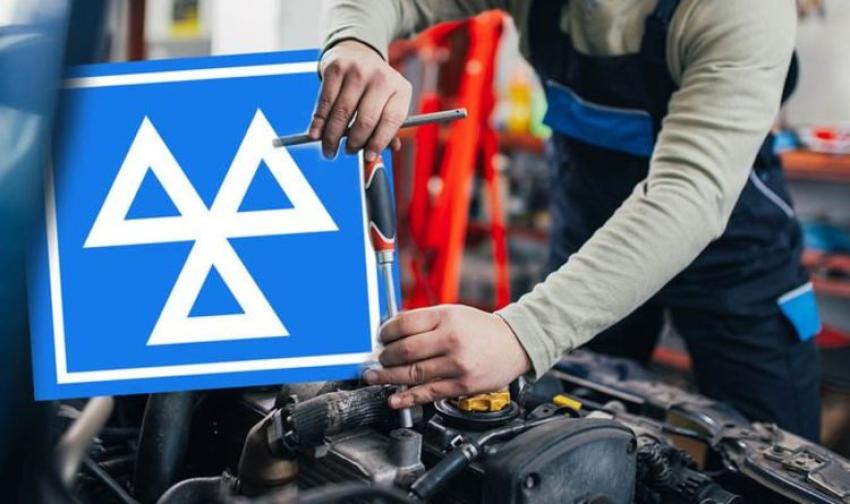
Why do drivers often find that an annual inspection bill ends up higher than the basic test fee? When motorists book an MOT in Harrow, the initial booking fee is only one part of the total investment needed to keep a car roadworthy. Drivers manage upkeep costs best when they see how test fees, diagnostic checks, and repairs link together. This practical approach keeps maintenance sensible and satisfies UK legal standards.
Cars over three years old must take an MOT test each year. The Driver and Vehicle Standards Agency (DVSA) sets this legal check. The law caps the maximum test fee. However, the final cost depends on whether the car passes straight away or needs immediate fixes. Looking closely at the mechanical checks explains why total bills change between cars.
Statutory Inspection Fees Versus Remedial Repair Expenses
The DVSA caps the fee for a standard car inspection. No workshop can charge above this legal limit for the test alone. Many test centres offer testing below this ceiling to attract motorists, but the inspection itself merely finds defects rather than fixing them. The true expense of the annual MOT test begins when a tester uncovers items that fail minimum road safety or environmental standards.
When a car fails on a major or dangerous fault, the owner must fund the necessary mechanical labour and replacement parts to secure a pass. A vehicle with worn brake pads below the 1.5mm standard or a fractured coil spring will require workshop time and hardware before it can legally return to the road. Therefore, viewing the inspection fee in isolation creates a false impression of what annual compliance actually demands from a household budget.
Component Wear Patterns and Escalating Rectification Work
Vehicle age, yearly mileage, and driving habits decide how many parts need repair. A tester must see sound components before issuing an MOT pass. Road grit, weather, and constant movement wear down suspension joints, steering linkages, rubber gaiters, and brake pads. Over time, rubber bushes perish and ball joints develop play, which testers identify by levering suspension arms while the car sits on the hydraulic ramp.
Fitting a new steering rack gaiter costs very little. Leaving a split boot lets road grit ruin the rack mechanism, leading to high repair costs. Similarly, uneven tyre wear caused by poor geometry often forces drivers to buy new tyres ahead of the inspection. Arranging wheel alignment in Harrow corrects misaligned toe angles, which describe the inward or outward angle of the wheels when viewed from above. This prevents early tyre failure, protecting the owner from unnecessary replacement bills when test day arrives.
Diagnostic Complexities Across Modern Vehicle Systems
Can hidden wiring problems turn a cheap test into a large garage bill? Modern MOT testing includes full electronic checks. Technicians inspect dashboard warning lights to verify that mandatory electronic safety systems complete their self-checks without fault. The car fails the test straight away if an airbag light or anti-lock braking system light stays lit. This failure happens even when the mechanical brakes still work well.
Finding the cause of a dashboard warning light takes time and code readers. Technicians must read the stored fault codes and test circuit wires. A failed wheel speed sensor or a damaged wiring harness requires diagnostic labour before any replacement part is fitted. These extra diagnostic checks raise the final bill. They show how digital safety systems directly shape the cost of an MOT pass on modern cars.
Retest Regulations and Workshop Timelines
Retest rules can save or cost a motorist money. The final cost depends on how quickly a garage finishes the repairs. Under DVSA regulations, if a car fails but remains at the testing station for repair, a partial retest is often free if carried out within ten working days. If the car leaves the garage and returns within ten working days, the workshop may charge a reduced partial retest fee, but exceeding that window incurs the full test charge once again.
Transporting a vehicle with dangerous defects away from a garage introduces substantial financial and legal risks. Driving a vehicle in a dangerous condition carries fines up to £2,500 and three penalty points on the driving licence. Drivers save money by fixing faults quickly with their test garage. Quick repairs prevent extra inspection fees and keep the car within the law.
Preventive Upkeep as an Expense Mitigation Strategy
Simple visual checks before the MOT test catch easy faults early. This stops basic defects from increasing the garage labour bill. Testers often log failures for simple faults that drivers can easily fix at home:
● Empty washer fluid bottles that leave the windscreen wipers unable to clear the glass.
● Split or degraded windscreen wiper rubber that smears during operation.
● Blown registration plate lamps or failed exterior lighting bulbs.
● Horn mechanisms that fail to operate clearly when pressed from the driver's seat.
Monitoring tyre condition also prevents unexpected financial shocks during the MOT test process. Tyres must meet the UK legal tread depth minimum of 1.6mm across the central three-quarters of the tread around the entire circumference. Checking pressures, arranging wheel alignment Harrow and inspecting sidewalls for cuts keep tyres roadworthy. This allows drivers to budget for replacements gradually rather than facing an emergency purchase after a test refusal.
Conclusion
Managing the overall cost of the MOT test involves far more than shopping around for the lowest upfront booking fee. The real cost of roadworthiness depends on overall vehicle condition. Routine servicing and resolving old test advisories promptly help keep these final expenses down. Drivers who learn the DVSA rules avoid surprise test bills. Treating early maintenance as a normal running cost keeps repairs manageable. This approach ensures their vehicle remains legal and structurally dependable on UK roads throughout the year.