
Business security is not limited to cameras, alarms, or locked doors. People working inside a property, customers visiting a facility, equipment, inventory, and sensitive areas may all require different levels of protection. Security guards provide a human presence that can observe activity, manage access, and respond to situations according to established procedures.
A TCS Security Guard can support businesses that need professional security coverage for commercial properties, offices, facilities, events, and other environments. The exact responsibilities depend on the assignment, location, and security requirements.
What Does a Security Guard Do?
Security guards perform different duties depending on the type of property they protect. Their work can include monitoring entrances, checking identification, conducting patrols, observing activity, documenting incidents, and communicating with supervisors.
Some assignments focus mainly on access control, while others require regular patrols across a larger property.
The goal is to provide an organized security presence that supports the property's existing safety procedures.
Why Businesses Use Professional Security Guards
Businesses face different security concerns depending on their industry and location. A warehouse may need protection around loading areas and inventory, while an office building may focus more on visitor access and employee safety.
Professional security guards can provide:
Visible security presence
Access control
Property patrols
Visitor assistance
Incident documentation
Security monitoring
Emergency coordination
Support during events
These services can be adjusted according to the needs of the organization.
Access Control at Business Properties
Controlling who enters a property is an important part of security.
A security officer stationed at an entrance can monitor visitors, verify identification when required, manage access procedures, and identify activity that does not follow established rules.
Access control can be especially important for facilities that contain confidential information, valuable equipment, restricted areas, or sensitive operations.
Mobile Patrols and Property Checks
Some businesses need security coverage beyond a single entrance.
Mobile or foot patrols allow security personnel to check different areas of a property. Officers may inspect parking lots, perimeter areas, storage spaces, gates, doors, and other locations identified in the security plan.
Patrols can also help identify problems such as damaged fencing, unlocked doors, unusual activity, or lighting issues.
Security During Events and Busy Periods
Businesses may require additional security during conferences, corporate gatherings, public events, or periods of increased activity.
Security personnel can help manage entrances, monitor crowds, direct visitors, protect restricted areas, and communicate concerns to event management.
The number of guards and their responsibilities should depend on the size of the event, expected attendance, venue layout, and specific security requirements.
Working With Security Technology
Technology has become an important part of modern security.
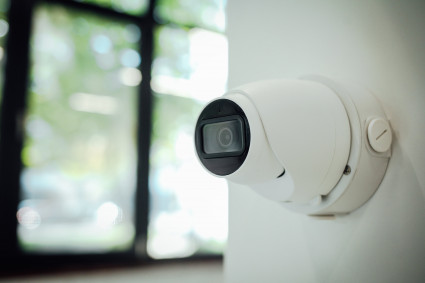
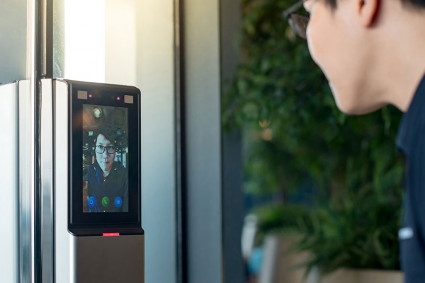
CCTV cameras, access control systems, alarms, and communication tools can provide information that helps security personnel monitor a property. Guards can complement these systems through physical observation and on-site response.
For example, a camera may identify unusual activity in a parking area, while an officer can follow the established procedure for checking the situation.
This combination gives businesses both technological monitoring and human oversight.
Incident Reporting and Communication
Security work also involves documentation.
When an incident occurs, officers may record the time, location, people involved, observations, and actions taken. The exact reporting requirements depend on the assignment.
Clear reports can help management understand recurring security concerns and determine whether changes are needed.
Communication also matters. Guards need reliable ways to contact supervisors and share important information during their shifts.
Security Guard Services for Different Businesses
Security requirements vary widely across industries.
Office Buildings
Offices may need visitor management, entrance monitoring, employee safety support, and after-hours security.
Retail Properties
Retail locations may require entrance monitoring, customer assistance, parking lot patrols, and protection against theft or property damage.
Warehouses
Warehouses can benefit from controlled access, perimeter checks, loading-area monitoring, and overnight patrols.
Construction Sites
Construction sites may require security around equipment, materials, temporary fencing, gates, and access points.
Government and Institutional Facilities
These environments may have specific access procedures, restricted areas, and security requirements that demand carefully defined responsibilities.
Professional Security Guard vs. Basic On-Site Presence
A security guard should do more than simply remain at a location.
How to Select the Right Security Service
Before hiring a provider, businesses should clearly identify what they need the security team to accomplish.
Consider:
Property size
Number of entrances
Operating hours
Employee and visitor traffic
Sensitive areas
Previous security incidents
Required patrol frequency
Emergency procedures
Budget
It is also important to review the provider's training, experience, licensing requirements, insurance, supervision, communication, and reporting practices.
Frequently Asked Questions
What is a TCS Security Guard?
A TCS Security Guard is a security professional provided by TCS Security to perform assigned protective and security duties based on a client's requirements.
What can security guards do for a business?
Depending on their assignment, guards can monitor entrances, manage access, conduct patrols, observe activity, document incidents, and support established emergency procedures.
Can security guards work overnight?
Yes. Businesses can arrange security coverage according to their operating hours and security requirements, including overnight coverage where appropriate.
Are security guards useful if a business already has cameras?
They can be. Cameras provide remote or recorded monitoring, while security officers can provide physical observation and respond according to established procedures.
How many security guards does a business need?
The number depends on factors such as property size, entrances, operating hours, visitor volume, security risks, and the type of coverage required.
Final Thoughts
Security guards provide something technology cannot fully replace: a trained person physically present at the property. Their responsibilities can range from access control and patrols to incident reporting and support during events.
A TCS Security Guard can be part of a broader security plan that combines trained personnel, technology, procedures, and regular communication. Businesses should assess their specific risks and requirements before deciding what type and level of security coverage they need.