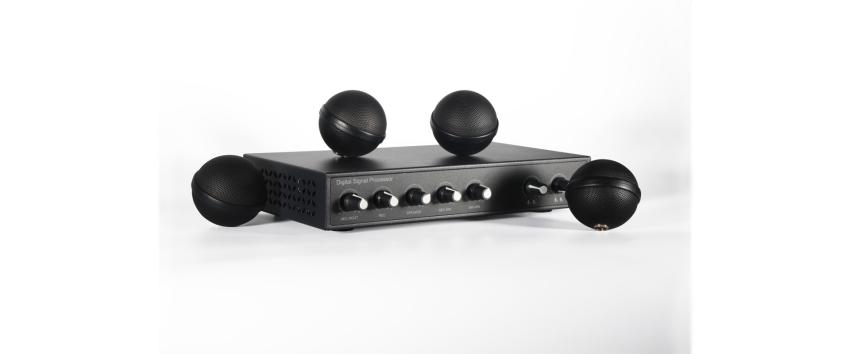
Introduction
Clear communication is essential in modern meeting rooms, conference halls, classrooms, and corporate offices. However, capturing everyone's voice during a meeting can be challenging, especially when participants are sitting at different distances from the microphone.
Traditional microphones often require speakers to sit close to the device or speak directly towards it. This can create difficulties during group discussions, video conferences, and presentations.
To overcome these challenges, businesses are increasingly exploring advanced audio technologies such as beamforming ceiling microphones. These microphones are designed to capture voices from different areas of a room while reducing unwanted background noise.
Installed on the ceiling, they provide a cleaner meeting space without requiring microphones on every desk.
But how does beamforming technology work? How can it capture voices from different directions? And why are ceiling microphones becoming useful for modern meeting environments? Let's understand.
What Is a Beamforming Ceiling Microphone?
A beamforming ceiling microphone is an audio capture device installed on the ceiling to pick up voices from different areas of a room.
Unlike traditional microphones that generally capture sound from a fixed position or direction, beamforming technology uses multiple microphone elements and digital signal processing to focus on sound coming from selected directions.
The system analyses incoming audio signals and combines them to improve voice pickup from the intended speaking area.
For example, during a corporate meeting, participants may sit around a large conference table. Instead of passing a microphone between speakers, a ceiling-mounted system can capture voices from different seating positions.
This makes it useful for conference rooms, boardrooms, educational institutions, training centres, and video conferencing environments.
How Does Beamforming Technology Work?
Beamforming technology uses multiple microphones and digital signal processing (DSP) to improve audio capture.
Here is how the process generally works:
1. Multiple Microphone Elements Capture Sound
A beamforming microphone contains multiple microphone elements arranged in a specific pattern.
Each element receives sound from the surrounding environment. Since sound reaches different microphone elements at slightly different times, the system can analyse these differences to understand where the sound is coming from.
2. Digital Signal Processing Analyses Audio
The captured signals are sent to a digital signal processor.
The processor analyses incoming audio, applies signal processing techniques, and combines information from multiple microphone elements.
This helps the system focus on voices coming from particular directions while managing unwanted surrounding sounds.
3. Directional Audio Pickup Improves Clarity
Once the system identifies the intended speaking area, it can use directional pickup techniques to prioritise voices from that location.
Some advanced systems offer adjustable pickup zones, allowing them to cover different areas of a conference room.
This is particularly helpful when several people participate in discussions without sitting directly in front of a microphone.
4. Processed Audio Is Sent to the Conferencing System
After processing, the audio signal is sent to the connected conferencing equipment or computer.
Depending on the system configuration, it can work with compatible video conferencing applications and audio equipment.
The result is a more organised audio setup that supports clearer conversations between participants in the room and people joining remotely.
Why Are Ceiling Microphones Becoming Popular in Meeting Rooms?
Modern workplaces are moving towards cleaner, more flexible meeting spaces. Traditional conference microphones, desktop devices, and multiple cables can make meeting tables look crowded.
Ceiling microphones offer an alternative by moving audio equipment away from desks and placing it overhead.
Here are some important advantages.
1. Keeps Conference Tables Clutter-Free
One of the biggest benefits of ceiling-mounted microphones is that they free up desk space.
Participants do not need individual microphones placed in front of them. This creates a cleaner environment for laptops, documents, presentations, and other meeting equipment.
It is particularly useful for boardrooms and executive meeting spaces where maintaining an organised appearance is important.
2. Captures Voices from Different Seating Positions
In large conference rooms, participants may sit far away from traditional microphones.
A suitable ceiling microphone system can capture voices across a wider area, depending on its pickup pattern, installation height, and technical specifications.
This helps participants communicate naturally without constantly adjusting their position.
3. Helps Reduce Unwanted Background Noise
Background noise from air conditioning, fans, nearby conversations, and office equipment can affect meeting quality.
Advanced microphones use noise reduction and digital audio processing to improve voice clarity.
However, performance depends on the microphone design, room acoustics, installation position, and audio configuration.
4. Supports Hybrid Meetings
Many organisations conduct meetings with both in-person and remote participants.
If people inside the conference room cannot be heard clearly, remote attendees may struggle to follow discussions.
Ceiling microphone systems can help capture voices from different seating areas and transmit them to the video conferencing platform.
This supports smoother communication between people attending physically and those joining online.
Important Features to Look for in a Ceiling Microphone
Not every ceiling microphone offers the same capabilities. Before selecting one, businesses should understand the features that influence audio performance.
1. Microphone Array Configuration
The number and arrangement of microphone elements influence how a system captures sound.
Multiple microphone elements allow the system to analyse incoming audio from different directions.
The right configuration depends on room dimensions, seating arrangements, and the number of participants.
2. DSP and Audio Processing
Digital Signal Processing plays an important role in modern conference audio systems.
It can support noise reduction, echo cancellation, audio balancing, and other processing functions, depending on the device.
These features help improve speech quality during meetings.
3. Voice Pickup Range
Pickup range indicates the area from which a microphone can capture usable speech.
For example, a ceiling microphone with a specified 10-metre pickup radius may be suitable for certain larger meeting spaces, subject to room acoustics and installation conditions.
However, pickup range should not be treated as a guarantee of equally clear speech throughout the entire area.
4. Phantom Power Supply
Some professional microphones require phantom power to operate.
Phantom power provides the electrical supply needed by compatible microphone components through the audio connection.
Businesses should check power requirements and compatibility with their existing audio equipment before installation.
5. Software Compatibility
A conference microphone should work with the organisation's preferred communication platforms and conferencing hardware.
Compatibility with commonly used applications such as Zoom and Skype for Business can make integration easier.
It is also important to check the supported audio connections and system requirements.
Where Can Beamforming Ceiling Microphones Be Used?
Ceiling microphone technology is useful across different professional environments.
1. Corporate Boardrooms
Boardrooms often host discussions involving multiple participants seated around large conference tables.
Ceiling microphones can help capture voices without placing individual microphones in front of every participant.
This supports a cleaner meeting setup and more convenient discussions.
2. Video Conferencing Rooms
Organisations using video conferencing regularly need reliable audio equipment.
Ceiling microphone systems can help capture in-room conversations and transmit them to remote participants through compatible conferencing equipment.
3. Educational Institutions
Universities, training centres, and smart classrooms can use ceiling microphones to capture instructors' voices during lectures and interactive sessions.
This can be particularly useful when lessons are recorded or streamed to remote students.
4. Government and Corporate Training Rooms
Training sessions often involve discussions, presentations, and audience participation.
Ceiling microphones can support voice capture across different seating areas, making them suitable for larger collaborative environments.
5. Boardrooms with Hybrid Collaboration
Companies conducting hybrid meetings need audio systems that support communication between in-person and remote participants.
A properly configured ceiling microphone can help make conversations more natural by reducing the need for participants to move towards a shared microphone.
How to Choose the Right Ceiling Microphone for Your Meeting Space
Choosing the right system requires more than checking its pickup range or microphone count.
Consider these factors before installation:
- Room dimensions: Understand the length, width, and ceiling height of the meeting space.
- Seating arrangement: Consider whether participants sit around one table or across multiple seating areas.
- Pickup coverage: Check whether the microphone can cover the required speaking areas.
- Audio processing: Look for suitable noise reduction and DSP capabilities.
- Connectivity: Check compatibility with existing audio systems and conferencing equipment.
- Installation requirements: Consider mounting positions, cabling, power supply, and maintenance access.
- Room acoustics: Evaluate echo, reflections, air conditioning noise, and other environmental factors.
A professional audio assessment can help determine the right microphone placement and configuration.
Frequently Asked Questions
1. What is the difference between a traditional microphone and a beamforming microphone?
A traditional microphone generally captures sound according to its fixed pickup pattern. A beamforming microphone uses multiple microphone elements and digital processing to focus on sound from selected directions.
2. Can ceiling microphones pick up voices from an entire conference room?
They can cover wide areas depending on their design, pickup range, installation height, and room acoustics. The actual coverage should be checked against the manufacturer's specifications.
3. Do ceiling microphones reduce background noise?
Many advanced models include noise reduction and digital signal processing features. However, the level of noise reduction varies between products and depends on the room environment.
4. Are ceiling microphones suitable for Zoom meetings?
Yes. Compatible ceiling microphone systems can connect with conferencing equipment and software that support their audio interfaces.
5. Are ceiling microphones difficult to install?
Installation requires appropriate ceiling mounting, cabling, power arrangements, and audio configuration. Professional installation is recommended for larger conference rooms.
Conclusion
Clear audio is an important part of successful communication, particularly in modern workplaces where hybrid meetings and video conferencing have become common.
Beamforming ceiling microphone technology offers a practical way to capture voices from different areas of a room while keeping conference tables free from unnecessary equipment.
With multiple microphone elements, digital signal processing, noise reduction, and directional audio pickup, these systems can support more organised and effective meeting environments.
However, selecting the right microphone requires careful consideration of room size, seating arrangements, pickup coverage, connectivity, and acoustic conditions.
Whether it is a corporate boardroom, educational institution, or video conferencing space, the right ceiling microphone solution can help create a more convenient and professional communication experience.