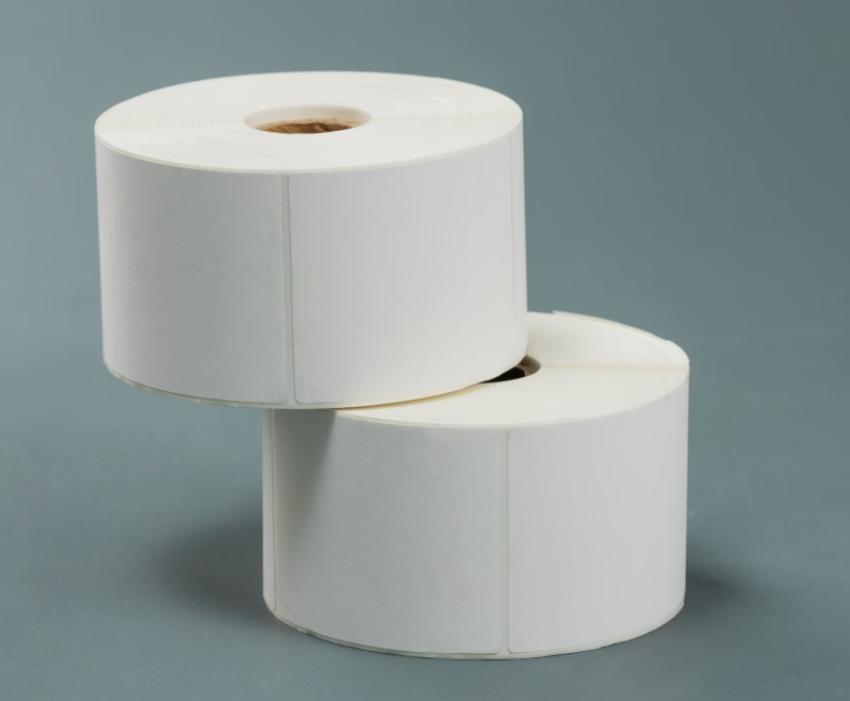
Labels play an important role in organizing products, communicating information, and supporting efficient daily operations. In pharmacies, long-term care facilities, and retail environments, they help identify items, display essential details, and keep workflows moving. Direct thermal labels offer a convenient printing option for these applications because they produce images and text through heat rather than requiring ink or toner.
Available in a wide range of sizes and configurations, these labels can accommodate different printers, packaging formats, and information requirements. Understanding how direct thermal printing works, where these labels are used, and what to consider when selecting them can help businesses choose a suitable labeling solution.
What Are Direct Thermal Labels?
Direct thermal labels are made with a specially treated surface that darkens when exposed to heat. A compatible thermal printer applies heat through its printhead to create text, numbers, barcodes, and other printed information directly on the label.
Unlike thermal transfer printing, this process does not use an ink ribbon. The absence of a separate ribbon makes direct thermal printing relatively straightforward to operate and maintain. It can be particularly useful for businesses that print labels regularly and want a simple process for producing clear, variable information.
Direct thermal printing is commonly used for applications where labels are needed for identification, tracking, organization, or short-term product handling. The printed content can include prescription details, product information, barcodes, counts, and other operational data, depending on the label design and intended use.
How the Direct Thermal Printing Process Works
A direct thermal printer uses a heated printhead to activate the coating on the label material. As the label moves through the printer, selected areas receive heat and darken to form the required image or text.
The printer controls which sections are heated, allowing it to produce different information on each label. This makes the process suitable for variable data, such as prescription instructions, patient information, product identifiers, and tracking numbers.
Because printing occurs directly on the label surface, there is no need to load or replace an ink ribbon. Operators still need to use compatible label stock and maintain the printer according to its manufacturer's instructions. The correct combination of printer settings and materials helps produce readable results.
Direct Thermal Labels in Pharmacy Settings
Pharmacies handle a wide variety of products and prescriptions, making accurate labeling an essential part of daily operations. Labels help communicate important information, identify packages, and support the organization of medication-related tasks.
Prescription labels are one common application. Depending on the label format and the pharmacy's system, they may provide space for patient details, prescription information, directions, identifiers, and other relevant content. The dimensions and layout should accommodate the information required without making the printed text difficult to read.
Direct thermal labels are also used in automated and organized dispensing environments. Certain formats are designed for specific equipment or workflows, including systems that use dedicated label dimensions and roll configurations. Selecting a compatible label helps avoid interruptions caused by incorrect sizing or printer requirements.
In long-term care pharmacy operations, labels can support the preparation and organization of medication packaging. Specialized formats may be used with particular dispensing systems, so it is important to confirm compatibility before selecting a product.
Applications Beyond Prescription Labels
Although pharmacies are a major application area, direct thermal labels can also support other retail and operational needs.
Retail businesses use labels to identify products, organize inventory, and display information that staff need during receiving, storage, and sales processes. Printed barcodes and product identifiers can make it easier to locate and track items within an inventory system.
Warehouses and distribution operations may use direct thermal labels for package identification, order processing, and internal tracking. The ability to print variable information makes them useful when each package requires a different identifier or destination.
Healthcare facilities can also use suitable label formats for organizing supplies and other materials. The exact application depends on the label's design, the printer being used, and the conditions in which the label will be handled.
Choosing the Right Label Size
Direct thermal labels are available in many dimensions, from small formats measuring around 1.25 x 0.5 inches to larger labels measuring several inches across. The appropriate size depends on the amount of information being printed and the surface where the label will be applied.
Smaller labels can work well for compact identifiers, brief product details, or applications with limited space. Larger formats provide more room for text, barcodes, and additional information. Prescription labels often require dimensions that accommodate multiple fields while remaining practical for the packaging or container.
Before choosing a size, consider the label's intended placement and the amount of information that must remain visible. A label that is too small may result in crowded text, while an unnecessarily large format can be difficult to apply or may not fit the intended surface.
Printer compatibility is equally important. Confirm the supported label width, length, roll configuration, and other equipment specifications before purchasing supplies.
Stock and Custom Direct Thermal Labels
Direct thermal labels are available in stock and custom configurations. Each option serves different operational needs.
Stock labels come in established sizes and designs. They can be a practical choice when a standard format already meets the requirements of the application. Common options include white labels in different dimensions, as well as specialized prescription and pharmacy formats.
Custom direct thermal labels provide more flexibility. They can be produced in specific dimensions and layouts to suit a particular workflow, printer, or labeling requirement. Custom formats may be useful when a business needs a design that differs from standard stock options or wants a consistent layout across its operations.
The decision between stock and custom labels should take into account printing equipment, application requirements, order quantities, and the information that needs to appear on each label. A standard product may be sufficient for routine use, while a custom format can better accommodate specialized processes.
Specialized Labels for Automated Pharmacy Systems
Some pharmacy environments use automated dispensing and packaging equipment that requires specific label formats. These labels may be designed around the dimensions and operating requirements of a particular system.
For example, specialized labels may include features such as perforations or reorder tabs. Perforations can help separate sections or individual labels, while a reorder tab can support supply management by making it easier to identify the product when additional stock is needed.
Core size, roll configuration, and label dimensions also matter when selecting supplies for automated equipment. A label that looks similar to the required format may still be incompatible if its specifications differ.
Pharmacies should check the equipment manufacturer's requirements and verify the complete label specifications before ordering. This helps ensure that the labels feed correctly and work as expected within the intended process.
Factors That Affect Direct Thermal Label Performance
The performance of a direct thermal label depends on more than its dimensions. The printing environment, material quality, handling conditions, and expected storage period can all influence how well the printed information remains readable.
Direct thermal printing is generally best suited to applications where printed content does not need to remain unchanged for extended periods under demanding conditions. Heat, sunlight, friction, and certain environmental factors can cause the printed image to fade or darken over time.
For labels that require longer-term readability, businesses should consider the expected conditions and whether another printing method or material would be more appropriate. This is especially important when labels contain information that must remain legible throughout storage, transportation, or use.
It is also helpful to test a label with the intended printer before committing to a large quantity. Testing can reveal issues with feeding, print clarity, dimensions, or adhesion in the actual working environment.
Keeping Labeling Operations Consistent
A consistent labeling process helps staff identify products and manage information efficiently. Using the correct label format for each application reduces confusion and supports smoother daily operations.
Businesses can improve consistency by documenting printer specifications, maintaining an inventory of approved label formats, and checking supplies before they run out. Staff should also know which labels are intended for particular printers or workflows.
Regular equipment maintenance and appropriate storage of unused labels can help preserve printing quality. Labels should be kept according to the manufacturer's storage recommendations, particularly when environmental exposure could affect their performance.
Selecting Direct Thermal Labels for Your Workflow
The right direct thermal label depends on the application, printer compatibility, required dimensions, and expected conditions. Stock formats can meet many everyday needs, while custom options provide flexibility for specialized requirements. Pharmacy environments may also need dedicated formats for prescription printing or automated dispensing equipment.
By reviewing these factors before making a selection, businesses can choose labels that fit their equipment and operational processes. A suitable format supports clear printing, practical application, and more organized labeling across pharmacy, retail, and other settings.