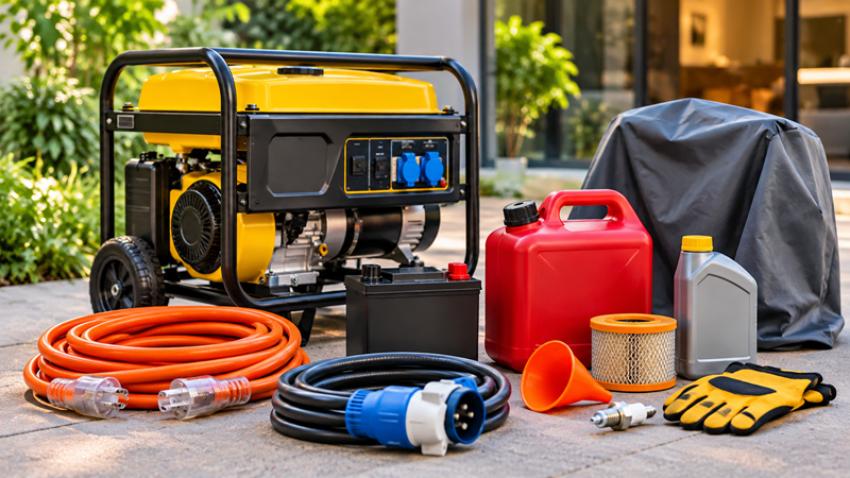
When you're running a generator in Australia, the weather isn't just a minor inconvenience. It's a serious factor that can really make or break your set‑up! You've got scorching summers in Queensland, freezing winters down south, & that ever-present threat of bushfires. The heat alone can often cause your generator to overheat & shut down right when you need it most, especially during those long blackouts that follow summer storms. Most people don't realise that a generator working in 40-degree heat needs much more airflow than one running in mild conditions. You can't just stick it in a corner & hope for the best.
Preparing for Australia's Extreme Weather
Battery trouble? Very common. Australian heat drains the charge fast, & bitter winter mornings make cells sluggish. So if your starter runs off a battery, keep a closer eye on the charge level. Check the level weekly. From what I've seen, a plain solar trickle charger is the smartest small buy, & it's one of those generator accessories that pays for itself when you least expect it. I'd also check the oil more often in summer, because high temps thin it & lower its engine protection. Thin oil in the middle of January? That's asking for trouble! Give the battery terminals a quick look too. Corrosion builds up fast in humid spots, and a wire brush sorts it out in seconds. And if your area gets weeks of grey sky, don't rely on the solar charger alone.
Live in a Bushfire Zone
Live in a bushfire zone? Tough! That reshapes how you handle a generator, honestly. Never run it on dry grass or fallen leaves & clear a good space around the unit before you even pull the cord. Scout the spot first. Check the ground around it too. From what I've seen, plenty of people fit a heat shield or a fire‑resistant mat underneath during fire season, which really helps. It's not a luxury. Also, check the local fire danger rating before you run the generator at all.
On days rated catastrophic, many people skip it entirely and wait for better conditions. A spark on a hot, dry afternoon is a far worse outcome than a night without power. Where do you store the fuel? In summer, petrol inside a plastic jerry can builds pressure & vents fumes, so grab a proper metal fuel container before the heat truly lands. That cheap swap gives you a practical yardstick when comparing the options in generator accessories.
Dealing with Gritty Outback Wind
Dealing with gritty outback wind? Tough! You've got to think about the dust and debris that come with those conditions, plus the coastal salt air, and these are exactly the kind of situations where generator accessories like a good air filter become essential. Clean that filter more often than the manual suggests. A wipe down with a damp cloth after each use will help fight the corrosion salt air brings to metal parts, so stay on top of it. Check the air intake hose for cracks too, because grit gets in through splits you can't see.
If you don't use your generator for months at a time, cover it up properly. But remember to take the cover off & run it every few weeks so the seals don't dry out & the battery stays charged. A little maintenance goes a long way when your generator has to handle everything Australia throws at it. Check the seals! Look for cracks, brittleness, or any giveaway that they're losing their grip. A perished seal means dust & moisture get in, and that's a fast track to a dead unit.
Keeping Your Generator Ready to Go
Power cuts always hit at the worst moment, don't they? Owning a generator is one thing, but having it work when you actually need it is another story entirely, a small point that can really change how you approach generator accessories from start to finish. I always tell people to prep early, yet too many folks buy a decent unit, park it in the shed, & forget about essential generator accessories until the lights die. Then comes the mad scramble, the dead battery, & the stale fuel. Check your gear now. A bit of planning goes a long way here!
Ever wonder where to keep the thing? Same here. Australia's heat is relentless on rubber seals & plastic parts, so I always scout out a shady, dry patch first. Flood‑prone block? Don't leave it on bare dirt. Raise it on a sturdy platform or a stack of pavers. You never want to wade through water just to hit the power switch, & you really don't want mud sneaking into the casing, which is why any honest assessment of generator accessories must start with placement. And check the air vents while you're at it! Spiders & geckos adore a warm, quiet generator, & they'll happily stuff a nest into the airflow.
Here's a trick that saves you from heartbreak in October: mark a date on your calendar, the first of every month, to fire the thing up for ten minutes. That simple habit catches a dry battery or a gummed‑up carburettor before it becomes an emergency. And if you don't want to rely on memory alone, stick a note on the fridge. It sounds basic, but it's the difference between a generator that starts and one that just sits there looking expensive.
Key Points About Keeping Your Generator Ready
Now fuel. Petrol goes bad surprisingly fast, especially in the heat! I always say drain the tank or add a proper stabiliser if you'll skip a few months. A stale full tank is a nightmare to clean out, and it can often clog the carburettor beyond simple fixes, which often means a mechanic visit. If you do have to drain it, take the old fuel to a local recycling centre. Give the oil a look every couple of months too. Check it when the engine is cold and parked on level ground, otherwise you'll get a false reading. Low oil is the quiet killer of engines, & many modern units just shut down to protect themselves, leaving you in the dark with no clue why. Keep an eye on a few quick things:
- Fire up the generator every four to six weeks & let it carry a small load for about fifteen minutes.
- Yank the spark plug, & replace it if it's grimy, and keep a spare set of portable generator spark plugs in your kit so you're never stuck hunting for one mid‑storm.
- Inspect the fuel lines for cracks or brittleness, especially after a long, hot summer.
One more thing: if your generator has an electric start, treat the battery like fuel. A trickle charger through winter stops you cranking a dead battery when the power goes out. Grab a cover. A cheap tarp might do in a pinch, but a fitted cover that breathes works far better over time. It guards against dust, rain, & sun damage all year round! That's one of those generator accessories that pays for itself.
You've Got Spare Fuses
And don't forget the obvious stuff. Keep a small toolkit with the generator, & check that you've got spare fuses and basic filter replacements. If you've bought generator accessories like a remote start kit or an automatic transfer switch, test those regularly too. A quick monthly test takes five minutes and beats finding out they've failed mid‑storm. They're only useful if they work when the moment arrives! A little routine care means you can often flick the switch with confidence when the storms roll in, and that's worth a lot when you're sitting in the dark.
Conclusion and Weatherproof Your Power Setup
Australia's climate demands more than a basic generator setup, so think ahead before you need to run it. Match your gear to the conditions where you live, whether that means extra cooling for Queensland summers or cold‑weather protection down south. Choosing the right generator accessories like heat shields, weather covers, and fuel stabilisers can save you from breakdowns at the worst possible moment. Ignoring these details often leads to shutdowns right when power matters most, which is a costly mistake nobody wants. A little planning now keeps your backup running when it counts. Are you ready for the next blackout?