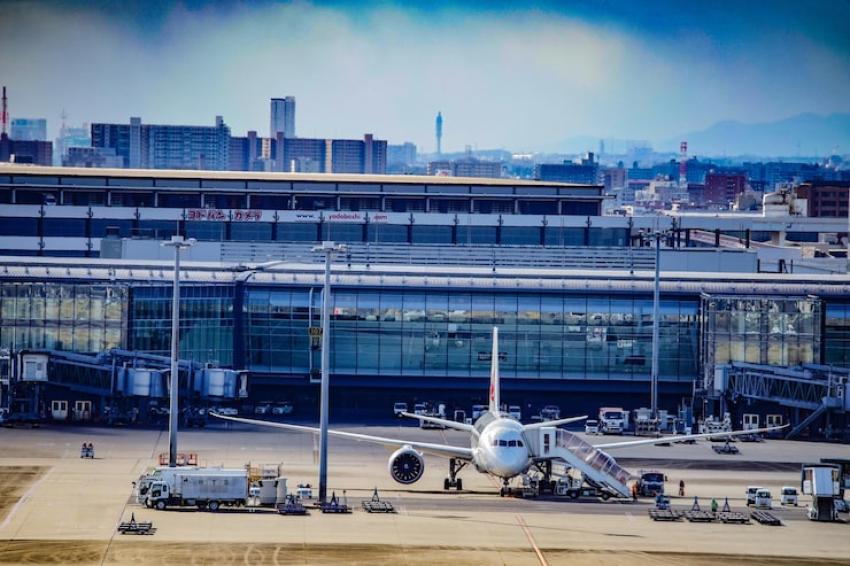
Airports are increasingly adopting artificial intelligence (AI), automation, and connected digital systems to improve operational efficiency, passenger experience, and infrastructure management. As passenger expectations rise and aviation operations become more complex, smart airport initiatives are gaining importance across areas such as baggage handling, passenger processing, facility monitoring, and resource allocation. South Korea’s advanced technology ecosystem and emphasis on digital transformation create a supportive environment for integrating intelligent solutions into airport infrastructure.
A comprehensive assessment by Markntel Advisor reveals that the South Korea AI-Driven Smart Airport Infrastructure Market is valued at USD 98 million in 2026 and is projected to reach USD 198 million by 2032, registering a CAGR of 12.44% during 2026–2032. The South Korea smart airport infrastructure report identifies hardware as the leading component segment, reflecting the foundational role of physical equipment in deploying AI-enabled airport systems. The projected expansion highlights increasing attention toward modern infrastructure, connected devices, and intelligent operational tools across the country’s aviation ecosystem.
Digital Transformation Across Airport Operations
Smart airport development involves integrating digital technologies into airport processes to help coordinate activities and improve the use of infrastructure. AI-enabled tools can support operational planning, data analysis, equipment monitoring, and passenger-flow management. When combined with connected sensors and airport information systems, these technologies can help operators identify inefficiencies and make better-informed operational decisions.
South Korea’s broader digital-development environment provides relevant context for this transition. The Ministry of Land, Infrastructure and Transport oversees national transport policy, including aviation-related responsibilities. Public investment and policy priorities across transportation can influence how airports approach infrastructure upgrades, operational resilience, and technology integration.
Hardware as the Leading Component
Hardware is identified as the leading component segment in the supplied report summary. It provides the physical foundation for smart airport systems, including computing equipment, connected devices, sensors, networking infrastructure, and other technology components required to support digital operations. These systems work alongside software platforms and data services to enable the collection, processing, and use of operational information.
Hardware selection can influence system reliability, compatibility, maintenance requirements, and the ability to expand digital capabilities over time. Airports may need equipment that integrates with existing infrastructure while meeting demanding operational and security requirements. As deployments expand, planning for upgrades, interoperability, and lifecycle support becomes important to sustaining performance.
The role of hardware also illustrates why smart airport transformation extends beyond software adoption. Successful implementation requires coordinated investment in physical infrastructure, data connectivity, and operational processes. The appropriate combination varies according to airport size, passenger volumes, existing systems, and modernization priorities.
Passenger Experience and Operational Efficiency
These initiatives illustrate how digital infrastructure can support both operational performance and customer-facing services. Automated processes may reduce repetitive manual tasks, while integrated information systems can help airport teams coordinate resources. The effectiveness of these solutions depends on implementation quality, system compatibility, data governance, and accessibility for passengers with different needs.
Challenges and Implementation Considerations
Despite the opportunities, AI-driven airport infrastructure requires careful planning. Integrating new technology with legacy systems can be complex, while hardware upgrades may involve substantial investment and ongoing maintenance. Airports must also consider cybersecurity, data protection, system availability, staff training, and contingency planning to ensure that digital services remain dependable.
AI systems are only as useful as the quality of the data and processes supporting them. Clear accountability, appropriate human oversight, and regular performance evaluation can help organizations manage operational risks. Passenger-facing applications that use personal or biometric information also require strong safeguards and transparent data-handling practices.
Outlook Through 2032
The South Korea AI-driven smart airport infrastructure sector is projected to grow from USD 98 million in 2026 to USD 198 million by 2032, at a CAGR of 12.44%. The forecast points to increasing interest in airport digitalization, with hardware identified as the leading component segment in the report summary.
Over the forecast period, investment priorities may include connected infrastructure, intelligent operations, passenger-processing systems, and technologies that support coordinated airport management. Continued development will depend on funding, implementation timelines, technology readiness, and the ability to integrate new solutions into existing airport environments.
For stakeholders assessing this sector, the projected growth provides a useful starting point for examining infrastructure requirements and emerging opportunities. Hardware investment, AI integration, passenger experience, and operational resilience are likely to remain central themes as South Korea’s airports continue their digital transformation. The forecast represents expected growth rather than a guaranteed outcome, with actual results shaped by procurement decisions and implementation progress.