Missing teeth can change everyday routines. You may avoid certain foods, feel unsure about speaking in public, or cover your mouth when smiling. However, deciding how to replace teeth involves more than choosing an appliance that looks appealing.
If you are researching Dentures In Toms River, you will likely encounter partial dentures, complete dentures, and implant-supported options. These treatments serve different situations, so the first step is understanding the condition of your remaining teeth and the goals of treatment.
This guide follows the decisions patients commonly face: what needs replacing, how the options differ, what fitting involves, and how to prepare for care after the denture arrives.
Begin With the Teeth You Still Have
A denture consultation should consider your whole mouth, including any natural teeth that remain. Tell the dentist about loose teeth, discomfort, previous restorations, and difficulties with your bite.
The discussion should establish which teeth can reasonably remain and how they may affect the replacement plan. Avoid assuming that all remaining teeth need removal simply because several are missing.
When comparing dental solutions, ask the clinician to explain the purpose of each option. You should understand which teeth it replaces, what supports it, and how you would clean it.
The examination also provides an opportunity to discuss your priorities. Appearance may matter most to one patient, while another mainly wants to improve comfort during meals.
Understand the Difference Between Partial and Complete Dentures
Partial and complete dentures address different patterns of tooth loss. The most suitable choice depends on a clinical assessment.
Option
What it generally replaces
Main question to discuss
Removable partial denture
Some missing teeth in an arch
How will it fit around and work with the remaining teeth?
Complete denture
All teeth in an upper or lower arch
How will fit, support, and bite be established?
Implant-supported or implant-retained restoration
Missing teeth using implant support or retention
Is the patient suitable, and what maintenance is required?
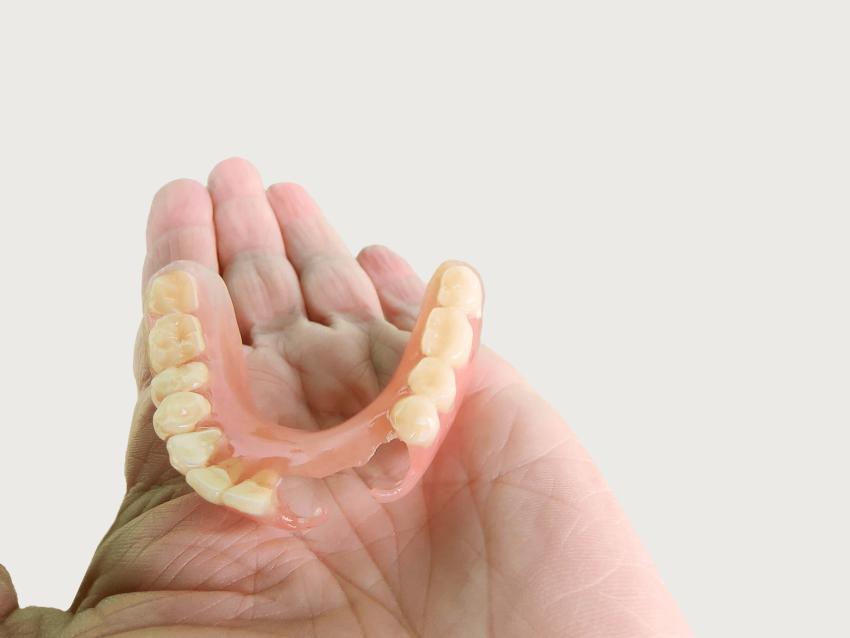
Removable partial dentures typically combine replacement teeth with a base and components that help retain the appliance. Complete dentures replace all teeth in an arch. A dentist can explain the design suitable for your mouth.
When Partial Dentures May Enter the Discussion
People searching “Partial Dentures Near Me” often still have some natural teeth. The consultation should explain how the proposed appliance relates to those teeth.
Ask about stability, visible components, insertion, removal, and cleaning. These details affect daily use and should form part of the decision.
What Full Dentures Mean
The phrase Full Mouth Dentures often describes replacing all missing teeth in both arches. However, a person may need a complete denture for only the upper or lower arch.
Confirm exactly what the treatment plan covers. Avoid relying on broad package descriptions without an individual explanation.
Consider Daily Use Alongside Appearance
A denture needs to suit your routine as well as your smile. During the consultation, explain which foods are difficult to manage and whether speaking or social situations cause concern.
Ask how the proposed design may feel and what adjustment period to expect. No appliance should come with a promise that every patient will adapt in exactly the same way.
When discussing Partial Dentures In Toms River, consider whether you can comfortably handle the appliance. Inserting and removing it requires a technique your dental team should demonstrate.
Patients with limited hand movement should mention that early. The clinician can consider it when discussing suitable designs and cleaning arrangements.
Know What “Custom” Should Mean in Your Treatment Plan
A search for Custom Dentures Toms River may suggest a highly personalized result, but the term needs explanation.
Ask how the clinician will assess the shape of your mouth, bite, and appearance preferences. Also, clarify which stages allow you to discuss tooth shade, size, and positioning.
Customization should involve more than selecting a color. Your dentist should explain the steps used to develop and review the proposed appliance.
Bring photographs if you want to discuss how your previous smile looked. These can support the conversation, although they do not guarantee an exact recreation.
Most importantly, ask what happens if you have concerns during the fitting process. Knowing when to provide feedback helps you participate more effectively.
Follow the Treatment Journey From Assessment to Review
Professional Denture Services may involve several stages. The exact sequence depends on the type of appliance and whether other treatment is necessary.
Assessment and Planning
The dentist reviews your mouth, discusses your goals, and explains suitable options. Ask for a written plan that identifies preparatory work and the proposed replacement.
This is also the stage to discuss your budget, schedule, and questions about alternatives.
Records and Fabrication
The process may involve impressions or scans and records of how your jaws meet. The team uses the required information to plan and make the appliance.
Ask which appointments you need to attend and whether any trial stages apply to your plan.
Fitting and Follow-Up
At fitting, ask the team to demonstrate insertion, removal, and cleaning. You should also know how to contact the office if the appliance causes discomfort.
Denture wearers may need adjustments as they adapt or as their mouths change. Follow-up is part of care, rather than a detail to consider only after a problem arises.
Compare Costs Through a Complete Written Estimate
People researching Dentures New Jersey may see a wide range of advertised fees. Those figures are difficult to compare unless the included treatment is clear.
Ask whether the estimate covers examinations, imaging when needed, preparatory treatment, the appliance, fitting visits, and later adjustments.
Also, clarify whether a temporary appliance differs from the final one. If future relining or replacement may be necessary, ask how those services are priced.
Do not assume that financing makes the treatment less expensive overall. Review any payment arrangement carefully, including the repayment period and applicable charges.
A useful estimate connects the price to a specific treatment plan. It should help you understand what you are agreeing to receive.
Plan for Care at Home
Before leaving the fitting appointment, request clear home-care instructions. Ask which cleaning products are suitable for your particular appliance and how to store it.
Dentures need daily cleaning. The ADA also advises cleaning the mouth and following professional instructions about denture care. Denture cleansers should be used outside the mouth.de
If you retain natural teeth, ask how to clean around them and any areas contacted by the partial denture.
Avoid adjusting or repairing the appliance yourself. Contact the dental office when something feels wrong, and describe the location and timing of the problem.
Keeping a simple note of your symptoms may help you explain the issue at the review visit.
Choose Follow-Up Access as Carefully as the Appliance
A Trusted Denture Dentist should be someone you feel able to contact with questions. Instead of relying only on that label, ask how the practice manages ongoing care.
For example, clarify how to arrange a fit review, report a broken component, or request advice about soreness. Also, ask what support is available if the appliance becomes difficult to use.
If you are comparing Partial Dentures Brick NJ with options closer to home, consider the travel required for follow-up appointments. Location can matter beyond the first consultation.
The same applies when comparing Dentures Manchester NJ with other nearby choices. Confirm each office’s actual services and review arrangements directly rather than assuming they are identical.
Final Thoughts
Choosing dentures involves understanding your remaining teeth, comparing appropriate designs, and planning for daily use and follow-up. When discussing options with sun dental, ask for an individual explanation of the proposed appliance, fitting stages, and total expected costs. A clear plan helps you make decisions with realistic expectations. Take time to discuss comfort, appearance, maintenance, and access to adjustments before committing to treatment.
Frequently Asked Questions
Can a partial denture replace several teeth in different positions?
A partial denture may replace several missing teeth, including teeth in different positions within one arch. The dentist must assess the remaining teeth, available support, bite, and appropriate design before recommending treatment.
Should I keep wearing a denture that causes a sore area?
Contact your dental team for advice rather than repeatedly tolerating discomfort. Describe the sore area and follow their wearing instructions before the appointment so they can assess and adjust the appliance appropriately.
Can I choose the appearance of my replacement teeth?
Discuss tooth shade, size, and arrangement during planning. The available choices depend on the appliance and clinical circumstances. Ask when appearance reviews occur and how to raise concerns before treatment is completed.