

The Link Between Tooth Wear and Operating Costs
Land clearing contractors depend on mulching equipment to process brush, trees and other vegetation efficiently. The condition of the cutting teeth plays a direct role in how the mulcher handles material. As teeth wear, their cutting edges can become less effective. This may slow production, increase strain on the machine and affect the time needed to complete a site.
The financial impact often extends beyond the cost of replacement parts. Slower progress can increase machine hours, labour expenses and fuel consumption. If worn teeth cause an unexpected stoppage, contractors may also face delays to other scheduled work. These costs can become significant on projects with tight deadlines or demanding site conditions.
For this reason, tooth condition deserves attention during routine equipment maintenance. Regular inspection helps operators recognise wear before it begins to affect productivity. It also gives contractors more time to source suitable replacements and plan maintenance around their work schedule.
How Worn Teeth Affect Mulching Performance
Mulcher teeth engage directly with vegetation and other material. Their cutting profile helps determine how the machine processes brush, timber and roots. As the cutting edge wears, the tooth may become less effective at breaking down material. Operators may need to make additional passes or reduce their working speed to achieve the required result.
This change can affect the amount of ground covered during a working shift. A machine which once processed vegetation at a steady pace may take longer to clear the same area. On larger projects, even a modest reduction in daily output can affect the overall programme. Contractors may then need to extend working hours or adjust equipment allocation.
Worn teeth can also produce a less consistent finish. Depending on the vegetation and machine setup, material may remain in larger pieces or require further processing. This adds time to the job and can affect site preparation for later activities. Maintaining suitable cutting tools helps support consistent work, although performance also depends on machine power, operator technique and ground conditions.
Fuel Use and Additional Machine Strain
When cutting teeth lose their effective profile, the mulcher may need more effort to process the same material. The operator may respond by slowing down, changing the working approach or making repeated passes. These actions can increase operating time and may affect fuel consumption over the course of a project.
It is important not to attribute every rise in fuel use to tooth wear. Soil conditions, vegetation density, machine settings, hydraulic system condition and operator behaviour also influence consumption. However, worn cutting tools can be one contributing factor. Comparing fuel use with operating hours and site conditions can help maintenance teams identify unusual changes.
Additional strain may also affect the cutting head and related components. Damaged or poorly fitted teeth can create uneven working conditions. Loose mounting hardware or worn holders may further increase the risk of component damage. Contractors should inspect the complete cutting assembly rather than replacing individual teeth without checking the surrounding parts.
Why Replacement Timing Matters
Replacing teeth too early can increase parts expenditure, while leaving them in service for too long may affect productivity and create further maintenance concerns. The right replacement point depends on the tooth design, the manufacturer's guidance and the conditions in which the equipment operates. There is no single service life suitable for every mulching job.
Operators should look for changes in cutting performance, visible loss of material, chipped carbide, damaged tooth bodies and loose fittings. Uneven wear across the cutting head may indicate differences in exposure or an issue with the holders. Any damaged component should be assessed before the machine continues working. Follow the manufacturer's inspection procedures and use qualified maintenance support where necessary.
A planned replacement schedule can help control costs. Contractors can record operating hours, inspection findings and the date of each tooth change. These records make it easier to estimate replacement needs and arrange parts before a breakdown interrupts work. They can also reveal whether certain sites or materials lead to faster wear.
Choosing Suitable Replacement Teeth
Replacement teeth should match the mulcher head and its intended application. Buyers need to confirm the machine and cutting head model, tooth dimensions, mounting arrangement and relevant part reference. A tooth which looks similar to the original may still have a different profile or fitting specification. Checking compatibility before ordering can prevent installation problems and unnecessary delays.
Material and construction are also important. Carbide tipped teeth are used in many forestry mulching applications because carbide offers hardness and wear resistance. However, the quality of the complete tooth matters. Buyers should review the body construction, carbide placement and product specifications. They should also consider whether the tooth is suitable for the vegetation and ground conditions expected on site.
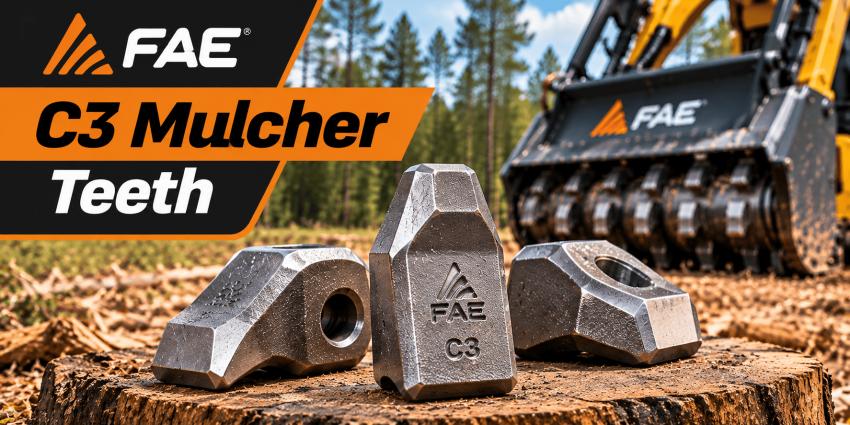
When sourcing fae c3 mulcher teeth, contractors should confirm the correct application and replacement reference before comparing prices. Product descriptions, availability, delivery estimates and warranty information all contribute to the buying decision. A suitable replacement is more useful than a cheaper part which does not meet the cutting head's requirements.
How Site Conditions Influence Tooth Wear
Not all land clearing work creates the same level of wear. Soft vegetation and relatively clean ground may place different demands on teeth than dense timber, roots or stony soil. Sand and grit can increase abrasion, while contact with rocks or other hard objects may cause chipping or impact damage. Contractors should consider these conditions when planning inspections and replacement purchases.
Operating technique can also influence wear. Excessive pressure, unsuitable machine settings or contact with material outside the equipment's intended use may place unnecessary stress on the cutting tools. Operators should follow the machine and mulcher head manufacturer's instructions. Correct operation helps reduce avoidable damage and supports more consistent maintenance.
Cleaning and inspection after demanding work can reveal problems before the next job begins. Maintenance teams should check for packed debris, missing teeth, damaged holders and loose fasteners. Vine and Branch Equipment Supply can be considered when reviewing replacement parts and sourcing information for heavy equipment maintenance. Buyers should still verify every part reference against their own machine requirements.
Managing Costs Through Preventive Maintenance
Preventive maintenance is often less disruptive than reacting to a failure during a scheduled project. A structured inspection routine gives operators a chance to report changes in cutting performance and allows maintenance staff to assess the condition of the teeth. It also helps identify related issues before they cause further damage.
Contractors can use maintenance records to compare tooth life across different jobs. For example, a machine working in abrasive ground may require more frequent inspections than one processing lighter vegetation. Recording the type of work, operating hours and replacement dates helps establish realistic maintenance budgets. These records also support better stock planning.
Mulcher tooth wear affects land clearing costs through its influence on productivity, fuel use, machine condition and downtime. Timely inspections and accurate replacement choices help contractors manage these expenses. By treating cutting teeth as an important part of the maintenance plan, equipment owners can make better purchasing decisions and keep projects moving with fewer avoidable interruptions.
Frequently Asked Questions
How does mulcher tooth wear increase land clearing costs?
Worn teeth can reduce cutting efficiency and increase the time needed to process vegetation. This may lead to more machine hours, higher labour expenses, additional fuel use and delays caused by maintenance.
How can I tell when mulcher teeth need replacing?
Look for chipped carbide, excessive material loss, damaged tooth bodies, loose fittings and changes in cutting performance. Follow the manufacturer's inspection guidance to determine when replacement is necessary.
Do carbide mulcher teeth last longer?
Carbide offers strong wear resistance, but service life depends on tooth design, material quality, vegetation, soil conditions and operating technique. No tooth has a fixed service life across all applications.
Can worn teeth damage other mulcher components?
Damaged or poorly fitted teeth may create uneven working conditions and place additional stress on holders or related parts. Inspect the complete cutting head when checking tooth wear.
How can contractors reduce mulcher tooth replacement costs?
Regular inspections, correct machine operation and accurate parts identification can help prevent avoidable damage. Recording operating hours and replacement history also supports better maintenance and stock planning.