
Festivals are an important part of Vietnam's cultural identity. Throughout the year, communities celebrate traditional holidays, religious occasions, seasonal events, and local heritage. For international visitors, attending a festival can provide a deeper understanding of Vietnamese history, beliefs, and community life.
Tet, or Vietnamese Lunar New Year, is the country's most significant annual celebration. Families clean and decorate their homes, prepare traditional food, exchange good wishes, and visit relatives. Flower markets become especially colourful, with peach blossoms and kumquat trees commonly associated with northern celebrations.
The Mid-Autumn Festival is another popular event. It is especially enjoyable for families and children, featuring lanterns, lion dances, mooncakes, and community celebrations. Streets in many cities become lively with decorations and traditional activities.
The Hue Festival showcases the cultural heritage of the former imperial capital. Depending on the programme, visitors may enjoy artistic performances, traditional music, historical displays, and cultural events. Hoi An also hosts regular lantern-related celebrations, creating an attractive atmosphere around its historic streets and riverside areas.
Local festivals vary from one region to another. Some are connected to agricultural traditions, while others honour historical figures, religious beliefs, or community heritage. Visitors should check event dates before planning their itinerary because festival schedules can change.
Attending celebrations requires cultural sensitivity. Travellers should follow local instructions at temples, avoid interrupting religious ceremonies, and ask permission before taking photographs of participants.
Travel preparation is equally important. Visitors should check their Vietnam visa requirements and confirm whether their nationality requires an approved visa. The Vietnam evisa is available to eligible international applicants through an electronic application system.
Before completing a Vietnam visa online application, travellers should prepare the necessary passport information and photograph. They should also check the relevant Vietnam visa website for current application instructions. An urgent Vietnam visa service may be considered by travellers with limited preparation time, but expedited assistance does not guarantee approval.
Planning around Vietnam's festivals can make a holiday especially memorable. Combining cultural celebrations with historical sightseeing, traditional food, and local experiences offers a rewarding introduction to the country.
Vietnam's countryside offers a peaceful contrast to the busy atmosphere of its major cities. Beyond modern shopping centres and crowded streets, visitors can discover small villages, green rice fields, traditional houses, local workshops, and waterways. Rural tourism allows travellers to understand how communities maintain traditional lifestyles while adapting to modern changes.
Mai Chau in northern Vietnam is a popular destination for countryside experiences. Visitors can explore peaceful villages, cycle along rural roads, enjoy local meals, and stay in traditional-style homestays. The surrounding mountains and rice fields create a beautiful environment for a relaxing break.
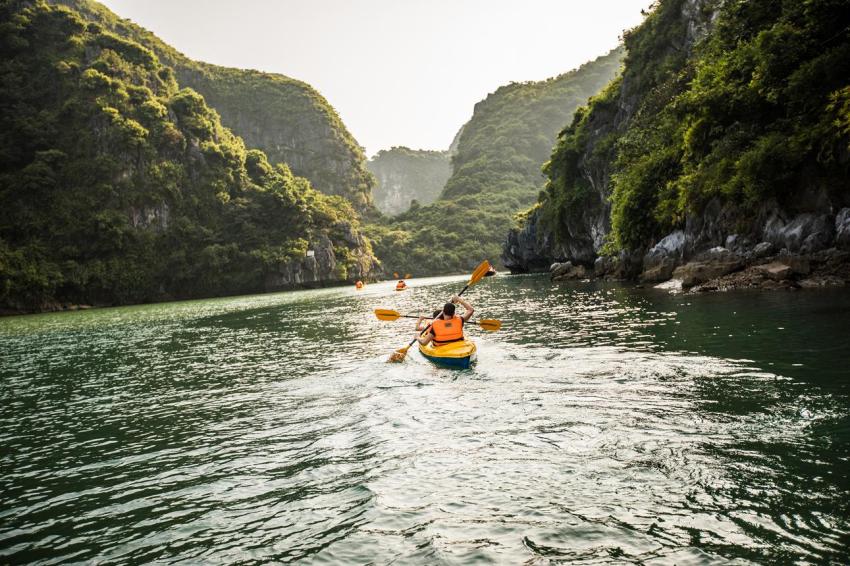
Ninh Binh is another attractive destination for rural exploration. Its villages are surrounded by limestone mountains, rivers, and agricultural landscapes. Travellers can take boat trips, visit temples, and explore the countryside by bicycle.
Traditional craft villages are also an important part of Vietnam's rural identity. Bat Trang, near Hanoi, is well known for ceramics and pottery. Visitors can observe artisans shaping clay, decorating products, and producing handmade household items. Other villages specialise in silk weaving, bamboo products, wood carving, and traditional paper crafts.