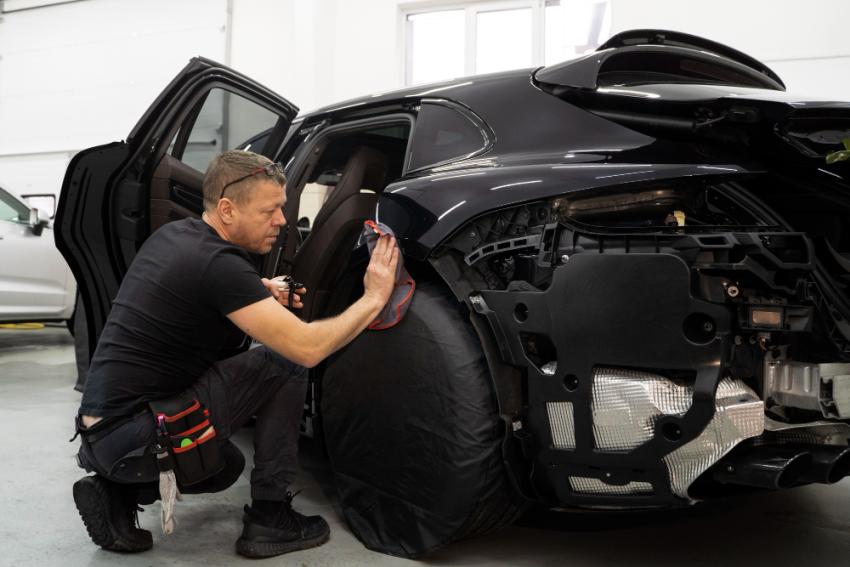
A hailstorm can leave dozens of small dents across a vehicle. Many appear harmless because the paint remains intact. However, visible dent size does not always reveal the complete damage.
Understanding hail damage repair in Bedford, MA helps drivers recognize problems after severe weather. Some dents only affect appearance, while others involve vulnerable components. A careful inspection determines which areas require attention.
Why Does Hail Cause Different Types of Damage?
Hailstones vary in size, shape, and impact force. Wind direction also affects how they strike vehicle surfaces. Consequently, damage can differ across the same vehicle.
Roofs, hoods, and trunks often receive direct impacts. Side panels may also sustain damage during strong winds. Thin exterior panels can deform under concentrated impact pressure. Hail damage repair in Bedford, MA, begins by assessing these differences. Technicians examine dent patterns, surface conditions, and affected materials. This helps identify suitable repair procedures.
1. Small Dents Can Hide Paint Damage
A dent may look minor from a distance. However, close inspection can reveal tiny paint cracks. These defects sometimes appear near sharp impact points.
Cracked coatings may expose underlying layers to moisture. Over time, exposed metal can develop corrosion. Bedford's wet weather and winter road conditions increase this concern.
Hail damage repair should include checking paint integrity. Restoring panel shape alone may not address damaged protective coatings.
2. Multiple Dents Can Affect Panel Appearance
One shallow dent may barely attract attention. Several dents across the same panel create uneven reflections. This makes damage more noticeable under direct lighting.
Hail damage repair technicians often use specialized lighting during inspection. Reflections help reveal shallow dents that ordinary viewing may miss. Accurate assessment is important when determining repair requirements.
A complete inspection should cover the entire affected panel. Focusing only on obvious dents can leave smaller impressions untreated.
3. Hail Can Damage More Than Metal Panels
Hail impacts can affect glass, trim, and exterior accessories. Larger stones may crack windshields or damage plastic components. Mirrors and lighting assemblies can also sustain impact damage.
Cracked glass requires particular attention because damage may spread. Broken lighting components can affect visibility and vehicle safety. These issues need evaluation beyond cosmetic dent removal.
Hail damage repair may involve several repair methods. Each damaged material requires an appropriate assessment.
4. Sharp Dents May Require Traditional Repairs
Not every hail dent qualifies for paintless correction. Sharp impressions can stretch metal or damage protective paint. Panel edges may also limit repair access.
Paintless techniques work best when the coating remains intact. Severe deformation may require conventional bodywork or replacement. The correct approach depends on the panel's condition.
Hail damage repair decisions should consider metal stretching and accessibility. Dent diameter alone cannot determine the most suitable method.
5. Roof Damage Deserves Careful Inspection
Vehicle roofs frequently receive multiple hail impacts. Their broad surfaces can make shallow dents difficult to notice. Sunlight reflections may reveal damage missed during casual inspection.
Roof construction can also limit access behind damaged areas. Interior components may need removal for certain repairs. Technicians must consider wiring and other concealed features.
Hail damage repair involving roofs requires careful planning. Proper inspection helps identify both repair limitations and affected components.
6. Delayed Repairs Can Complicate Existing Damage
Undamaged paint may continue protecting a dented metal panel. However, cracked coatings leave surfaces more vulnerable. Delaying necessary refinishing can allow corrosion to develop.
Repeated exposure to moisture may worsen existing paint defects. Winter road salt can increase corrosion concerns around exposed metal. Early inspection helps identify these risks.
Hail damage repair does not always require immediate extensive bodywork. The urgency depends on coating damage and affected components.
How Is Hail Damage Inspected?
A proper inspection begins with examining exposed exterior surfaces. Technicians use controlled lighting to locate shallow dents. They also check paint condition and surrounding components.
Each affected panel may require separate evaluation. Dent depth, location, and accessibility influence repair planning. Additional damage to glass or trim receives individual attention.
Hail damage repair estimates should reflect the complete inspection findings. Previously unnoticed dents may change the estimated repair requirements.
Can Paintless Dent Repair Fix Hail Damage?
Paintless dent repair can correct many suitable hail impressions. Technicians reshape affected metal without removing intact paint. This approach may reduce the need for refinishing.
However, results depend on dent shape and metal condition. Cracked paint and severe deformation can limit suitability. Some vehicles require a combination of repair techniques.
Does Insurance Cover Hail Damage?
Hail damage is commonly associated with comprehensive auto insurance coverage. Actual coverage depends on policy terms and applicable deductibles. Drivers should review their policies before assuming expenses are covered.
Photographs and inspection records can support claim documentation. Insurance providers may request estimates or additional damage assessments. Confirm claim requirements before authorizing repairs.
What Should You Do After a Hailstorm?
Inspect your vehicle under good lighting when conditions are safe. Photograph visible dents, cracked glass, and damaged exterior components. Avoid pressing dents or attempting unverified repair methods.
Check whether doors, lights, and windows function properly. Arrange an inspection if damage extends beyond minor cosmetic concerns. Keep documentation for repair planning and potential insurance discussions.
Final Thoughts
Small hail dents can involve more than surface appearance. Paint damage, concealed impressions, and affected exterior components require careful evaluation. Repair methods depend on the severity and location of damage.
Early inspection helps distinguish cosmetic dents from problems requiring additional attention. Understanding the repair process supports better decisions after severe weather. Proper assessment remains essential before selecting any repair method.