
You’ve probably scrolled past a before-and-after photo and wondered how someone’s hairline went from patchy to sharp in what looks like a week. Often, the answer is scalp micropigmentation (SMP). If you’re exploring hair loss treatment in Delhi and want something without surgery, downtime, or a long wait, this guide covers how SMP works, what it can and can’t do, and whether it’s right for you.
What Is Scalp Micropigmentation?
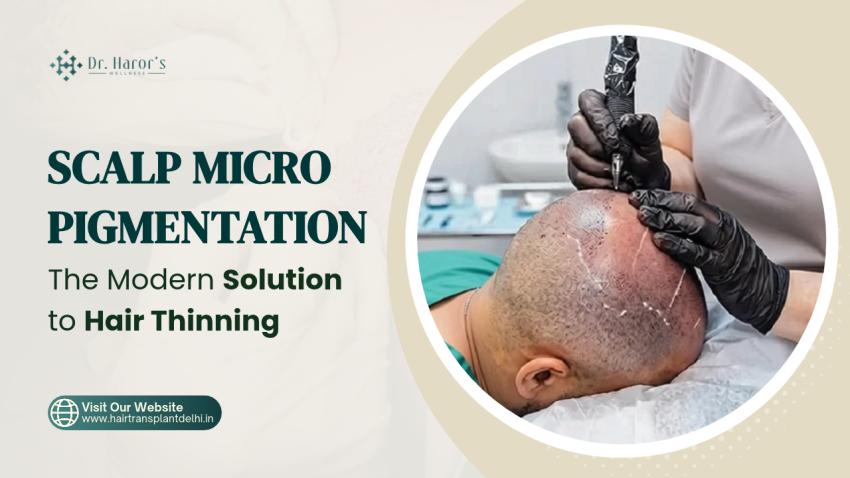
Think of SMP as a very precise cosmetic tattoo for your scalp. A trained practitioner deposits tiny dots of pigment into the upper layer of the skin. From a normal distance, those dots look like closely shaved hair follicles. The result is a fuller, denser look in areas where hair has thinned or disappeared.
The key point is that SMP doesn’t grow hair. There’s no follicle removal and no transplant, and it won’t stimulate regrowth. What it does is change how your hair and scalp look. That’s why scalp micropigmentation treatment in Delhi appeals to people with:
Male pattern baldness
Diffused thinning or a widening parting
A receding hairline
Scars from injury, surgery, or a previous hair transplant
Hair loss linked to certain medical conditions
How the Procedure Works
1. Consultation. Your specialist looks at your scalp, skin tone, hair loss pattern, and age, and asks what you want from the result. A man with a receding crown wants something different from a woman with a thinning parting, so this step matters.
2. Planning. The hairline is mapped out to suit your face shape and age. The pigment shade is matched to your natural hair colour, or to the colour of your hair if you buzz it short.
3. The sessions. Using fine needles, the practitioner places the pigment dots in layers. Most people need two to four sessions spaced a week or two apart, depending on how much area needs covering.
4. Healing. Some redness or tenderness is normal for a few days. Your clinic will give you aftercare instructions, and following them closely helps the pigment settle properly.
Benefits of Scalp Micropigmentation
If you’re comparing options for scalp micropigmentation treatment in Delhi, these are the main advantages. You can read more about the scalp micropigmentation treatment in Delhi offered at Dr. Haror’s Wellness.
Creates the look of thicker, denser hair
Gives you a clean, defined hairline
Camouflages scars effectively
Needs no surgery, stitches, or lengthy recovery
Requires very little daily maintenance
SMP results are long-lasting but not permanent. Pigment fades gradually, and most people book a touch-up every few years to keep things crisp.
Is It Safe?
When done by a qualified professional with sterile equipment, SMP is considered a low-risk procedure. Minor swelling or redness usually settles within a few days. Still, it’s worth checking the practitioner’s training and experience before booking, since poorly placed pigment is difficult to fix. Tell your doctor about any skin conditions, allergies, or scalp issues beforehand so they can advise you properly.
SMP vs. Hair Transplant: Which Should You Choose?
A transplant moves your own hair follicles to thinning areas and produces real growth. SMP is quicker, less invasive, and works for people who don’t have enough donor hair. Some people combine the two. The right choice depends on your hair loss stage, budget, and goals, which is why a proper evaluation matters more than any online comparison.
Final Thoughts
SMP is a practical, low-downtime option for anyone who wants a fuller look without surgery. If you’re searching for hair loss treatment in Delhi, start with an in-person assessment so you know what to expect. The team at Dr. Haror’s Wellness can evaluate your scalp and hair loss pattern and recommend a plan that fits you. Book a consultation to find out whether SMP is the right step.
#ScalpMicropigmentationTreatmentInDelhi #HairLossTreatmentInDelhi #ScalpMicropigmentation #SMPDelhi #HairLossSolution #NonSurgicalHairLoss #RecedingHairline #ThinningHair #HairRestoration #HairTransplantAlternative #DrHarorsWellness #DelhiDermatologist #HairCareDelhi #BaldnessSolution