Do your muscles feel tight after a long day? Do you find it hard to bend, stretch, or move with ease? Traditional Thai massage may help your body feel more relaxed and flexible.
This type of massage uses gentle stretches, steady pressure, and body movements to ease muscle tension. It can help you feel less stiff and move with more ease.
Let's look at how Thai massage works and why it can be a great part of your self-care routine.
What Is Traditional Thai Massage?
Traditional Thai massage is an old form of body therapy from Thailand. It blends gentle stretching, pressure, and guided body movements.
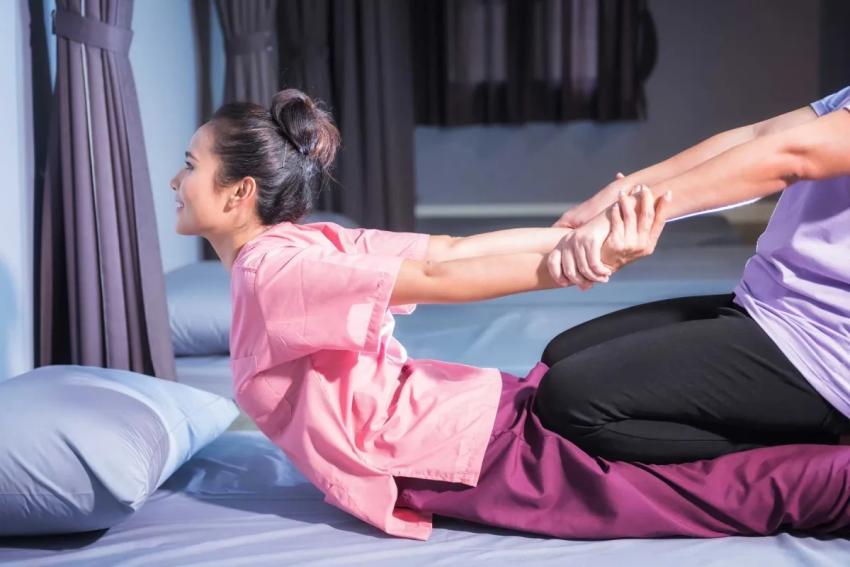
Unlike some other types of massage, Thai massage often takes place on a soft mat. You can stay fully dressed in loose, comfy clothes.
A trained massage therapist uses their hands, palms, elbows, and sometimes feet to apply pressure and guide your body through stretches.
The goal is to help your muscles relax and support better movement.
How Does Thai Massage Improve Muscle Flexibility?
Muscle flexibility helps your body bend, stretch, and move with ease. Tight muscles can make simple tasks feel hard.
Thai massage may help ease this tight feeling in several ways.
1. Gently Stretches Tight Muscles
Thai massage uses guided stretches to help loosen stiff muscles.
Your therapist may move your arms, legs, and back through gentle stretches. These moves can help improve your range of motion.
Over time, regular stretching may help your body feel more flexible.
2. Helps Ease Muscle Tension
Long hours at a desk or on your feet can leave your muscles feeling tight.
Thai massage uses steady pressure to help relax tense areas. This may help your neck, back, shoulders, and legs feel less stiff.
When muscles feel more at ease, daily movement may feel smoother.
3. Supports Joint Movement
Your joints help you walk, bend, and turn.
Thai massage uses slow, guided movements that may help your joints move with greater ease.
These gentle stretches can be useful for people who feel stiff after sitting for long hours.
4. Helps You Relax
Stress can make your body feel tense.
Traditional Thai massage blends touch, slow movements, and calm breathing to help you unwind.
When your body feels relaxed, it may be easier to stretch and move without feeling so tight.
Which Body Areas Can Benefit from Thai Massage?
Thai massage can focus on many parts of the body.
Back: Helps ease tight muscles after long hours of sitting.
Shoulders: Supports relaxation in areas that hold daily tension.
Neck: Uses gentle movements to ease stiffness.
Legs: Helps stretch tight thigh and calf muscles.
Hips: Supports a more comfortable range of motion.
Arms: Helps relax muscles used during daily tasks.
A full body Thai massage can bring these movements together in one session.
Thai Massage vs Swedish Massage for Flexibility
Both Thai and Swedish massage can help you relax, but they use different methods.
Thai massage uses assisted stretching, body movements, and pressure. It may be a good choice if you want to focus on muscle flexibility and mobility.
Swedish massage uses long, smooth strokes and gentle kneading. It often focuses more on comfort and general relaxation.
If your main goal is to stretch tight muscles, traditional Thai massage may be worth trying.
Who Can Benefit from Traditional Thai Massage?
Many people may enjoy Thai massage as part of their wellness routine.
It may suit:
Office workers who sit for long hours.
Active people who want to ease muscle tightness.
People with stiff shoulders or legs.
Adults who want to improve everyday mobility.
Anyone looking for a relaxing massage experience.
You do not need to be very flexible to try Thai massage. A skilled therapist can adjust the stretches to suit your comfort.
If you have an injury, joint problem, or health condition, speak with a healthcare professional before booking.
How Often Should You Get Thai Massage?
There is no fixed rule for how often you should book a Thai massage.
Some people enjoy a session once or twice a month. Others choose a massage when their muscles feel tight.
Your needs will depend on your daily routine, comfort, and goals.
For lasting flexibility, pair massage with gentle daily stretching and regular movement.
Final Thoughts
Experience Traditional Thai Massage in Reading
If you are looking for Thai massage near me, Asian Rose Massage Reading offers Thai massage services in Reading, UK.
Whether you spend long hours at work or want time to relax, a Thai massage session can be part of your self-care routine.
A massage therapist can help you enjoy guided stretching and muscle relaxation in a calm setting.
If you want to care for your muscles and enjoy a calming wellness experience, explore Thai massage at Asian Rose Massage Reading.
Frequently Asked Questions
Can Thai massage improve flexibility?
Thai massage may help improve short-term range of motion through gentle assisted stretching.
Is Thai massage painful?
It should not cause sharp pain. Tell your therapist if any stretch feels too strong.
Do I need to be flexible before a Thai massage?
No. Your therapist can adapt the movements to your needs.
Is Thai massage good for stiff muscles?
It may help ease mild muscle tightness and support more comfortable movement.