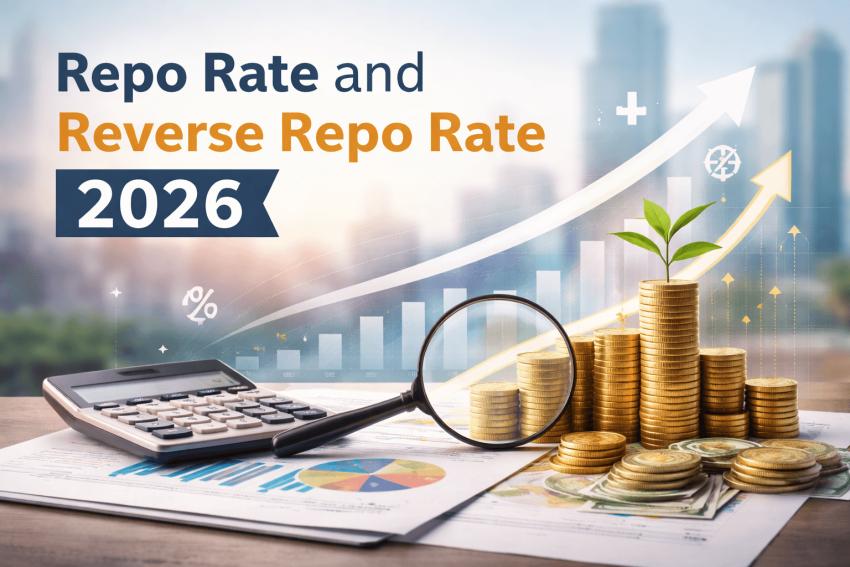
The reverse repo rate is a critical component of monetary policy and plays an essential role in regulating liquidity in the financial system. It is vital for both investors and casual observers to understand the meaning of this term and its broader implications for the economy. This article explores the reverse repo rate meaning, its relationship with the repo rate, and how it affects various economic factors.
Understanding the Reverse Repo Rate
Before diving deeper, it is beneficial to define the reverse repo rate. Essentially, the reverse repo rate is the interest rate at which the central bank of a country, such as the Reserve Bank of India (RBI) or the Federal Reserve in the United States, borrows money from commercial banks. In this arrangement, banks park their excess funds with the central bank and earn interest. This rate acts as an important instrument for controlling money supply and liquidity in the economy.
The reverse repo rate is essential for balancing liquidity, as it allows the central bank to absorb excess cash in the financial system. When banks and financial institutions have more money than they need, they can lend it to the central bank at the reverse repo rate, which is typically lower than the prevailing market rates. This mechanism helps to stabilize interest rates and ensure a healthy flow of money within the economy.
The Relationship Between Reverse Repo Rate and Repo Rate
To grasp the reverse repo rate meaning fully, it is crucial to understand its relationship with the repo rate. The repo rate is the opposite of the reverse repo rate; it is the interest rate at which the central bank lends money to commercial banks. In a repo transaction, banks sell securities to the central bank and agree to repurchase them later at a higher price, effectively taking a loan against the collateral of those securities.
The alignment of the repo rate and the reverse repo rate is generally established to maintain a close relationship between the two. When the repo rate increases, the reverse repo rate often increases as well; this keeps the interest rate differential balanced. Conversely, if the repo rate decreases, the reverse repo rate typically follows suit. This close monitoring helps maintain liquidity and stability in the banking system.
How Reverse Repo Rate Affects the Economy
The reverse repo rate has several implications for the economy, impacting not just the banking sector but also businesses and consumers. Below are some of the significant ways in which the reverse repo rate affects the economy:
1. Liquidity Management
When the reverse repo rate is attractive, banks are incentivized to park their excess funds with the central bank rather than lending them out to the market. This action helps to absorb excess liquidity from the system. Conversely, a low reverse repo rate encourages banks to lend more to businesses and consumers, thereby increasing liquidity in the economy. The central bank uses this mechanism to manage inflation and economic growth effectively.
2. Interest Rates Stability
The reverse repo rate serves as a tool to stabilize interest rates in the economy. When the reverse repo rate is altered, it can create a ripple effect throughout the lending and borrowing landscape. For example, a higher reverse repo rate may prompt banks to raise their lending rates, making loans more expensive for consumers and businesses, which can slow economic growth. Conversely, a lower reverse repo rate can lead to lower borrowing costs and stimulate economic activity.
3. Inflation Control
One of the primary goals of the central bank is to keep inflation in check. Increasing the reverse repo rate absorbs excess liquidity, which can help control inflationary pressures. When consumers have less money to spend, demand for goods and services decreases, which can prevent prices from rising too quickly. Therefore, adjusting the reverse repo rate can be a strategic move to manage economic conditions.
4. Impact on Financial Markets
The reverse repo rate also affects financial markets. When the central bank raises the reverse repo rate, it can lead to higher yields on government securities. This scenario can attract more investors to the bond market, affecting stock prices as capital may shift from equities to fixed-income instruments. Understanding these market dynamics can be essential for investors as they devise their investment strategies.
5. Bank Profitability
The reverse repo rate plays a significant role in a bank's profitability. When banks have excess reserves, they often park their funds with the central bank at the reverse repo rate to earn interest. If the reverse repo rate is attractive, banks can secure steady returns on their idle funds. Conversely, a lower reverse repo rate may result in reduced interest income for banks, urging them to seek alternative, potentially riskier investments.
Conclusion
Grasping the reverse repo rate meaning is vital for anyone interested in finance and economics. This key monetary policy tool influences liquidity, interest rates, inflation, financial markets, and bank profitability. Understanding these dynamics can equip investors, businesses, and consumers to make informed decisions.
In summary, the reverse repo rate serves as a barometer for economic health. By carefully monitoring and adjusting this rate, central banks can navigate through challenging economic situations, maintaining stability and growth. Whether you are a seasoned investor or a curious individual, recognizing the reverse repo rate's significance helps you better understand the intricate workings of the economy.