Protecting a business takes more than cameras and locked doors. Modern organizations need a coordinated approach that combines people, technology, procedures, monitoring, and planning.
That is where physical security services become important.
Physical security focuses on protecting people, buildings, equipment, assets, and daily operations from threats such as theft, unauthorized access, vandalism, workplace incidents, intrusion, and other physical risks.
The right security strategy depends on the size of the property, the type of business, operating hours, employee activity, visitor traffic, and the risks associated with the location.
Here are nine essential physical security services businesses should consider.
1. Security Risk Assessments
A strong security plan should begin with understanding the risks.
A security risk assessment looks at the property, access points, existing controls, operating procedures, and potential vulnerabilities.
This may include reviewing:
Entrances and exits
Parking areas
Lighting
Surveillance coverage
Access control systems
Visitor management
Security staffing
Emergency procedures
Restricted areas
Incident history
The purpose is to identify gaps before they become serious problems.
A good assessment also helps businesses avoid spending money on unnecessary technology or services that do not address real risks.
2. Access Control
Access control helps determine who can enter a building, room, floor, or restricted area.
Modern access control may include:
Key cards
Mobile credentials
PIN codes
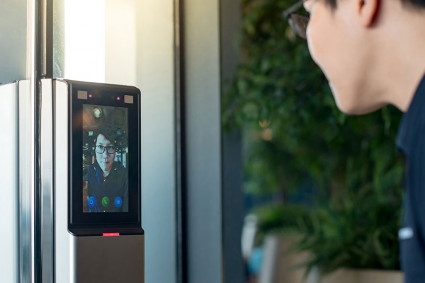
Biometric systems
Visitor badges
Electronic locks
Turnstiles
Entry logs
A well-designed system makes it easier to manage employee access, revoke permissions, track after-hours activity, and reduce the risks associated with lost keys.
For businesses with multiple departments or sensitive areas, access control can also limit movement based on job responsibilities.
3. Video Surveillance
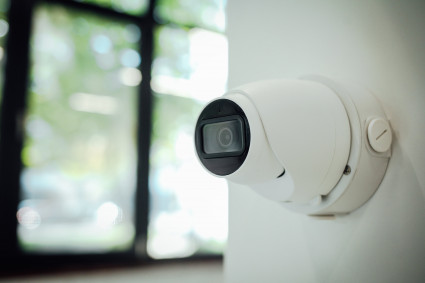
Video surveillance remains one of the most widely used physical security services.
Cameras can help monitor entrances, parking lots, loading areas, hallways, offices, retail floors, warehouses, and other critical spaces.
However, effective surveillance depends on more than simply installing cameras.
Businesses should consider:
Camera placement
Image quality
Low-light performance
Storage capacity
Remote access
Monitoring
Backup power
Coverage gaps
Video footage can support investigations, verify incidents, monitor activity, and provide evidence when necessary.
4. Security Guard Services
Technology is useful, but trained security personnel provide something cameras cannot: immediate human judgment.
Security guards may be responsible for:
Monitoring entrances
Checking credentials
Patrolling the property
Responding to disturbances
Supporting employees and visitors
Documenting incidents
Managing restricted areas
Coordinating with emergency services
Depending on the environment, businesses may use armed or unarmed officers.
The right choice depends on risk level, location, industry, operating hours, and the type of assets being protected.
5. Mobile Patrol Services
Some businesses do not need a full-time security officer at one fixed location.
Mobile patrols can provide scheduled or random security checks across one or multiple properties.
Patrol officers may inspect:
Doors and gates
Parking lots
Perimeters
Lighting
Restricted areas
Signs of forced entry
Suspicious activity
Randomized patrol schedules can also make security routines less predictable.
This can be useful for offices, apartment communities, construction sites, warehouses, retail centers, and properties that are unoccupied overnight.
6. Alarm and Intrusion Detection
Alarm systems provide another layer of protection.
They may detect:
Unauthorized entry
Forced doors
Broken glass
Motion after hours
Emergency situations
Panic button activation
The value of an alarm system depends heavily on what happens after an alert is triggered.
Businesses should have clear response procedures in place.
That may involve contacting a monitoring center, dispatching security personnel, notifying management, or contacting law enforcement depending on the situation.
7. Security Monitoring
Monitoring helps turn security technology into an active system.
Without monitoring, cameras and alarms may only provide information after an incident has already happened.
Security monitoring can help teams respond more quickly to:
Unauthorized access
Suspicious behavior
Intrusion alerts
Camera failures
Alarm activation
After-hours activity
For larger organizations, monitoring may be coordinated through a security operations center.
This can help combine video surveillance, access control, alarms, incident reporting, and response procedures into one more organized process.
8. Executive Protection
Some organizations face risks that go beyond normal facility security.
Executives, public-facing leaders, high-profile guests, and other individuals may require additional protection during travel, meetings, public appearances, or special events.
Executive protection may include:
Advance planning
Route assessment
Secure transportation coordination
Venue checks
Protective escorts
Threat monitoring
Emergency response planning
The goal is not to create unnecessary attention.
Effective executive protection should be professional, discreet, and based on actual risk.
9. Event Security
Business events can create temporary security risks that do not exist during normal operations.
Corporate events, conferences, product launches, holiday parties, executive meetings, and public gatherings may require additional security planning.
Event security may include:
Guest screening
Access control
Crowd management
Parking security
VIP protection
Bag checks
Security patrols
Emergency planning
Incident response
The security plan should match the size, venue, guest profile, and purpose of the event.
Monitoring identifies suspicious activity.
- Security personnel respond.
- Policies and procedures make sure everyone knows what to do.
- This is what turns individual security products into a complete physical security strategy.
Final Thoughts
Physical security services help businesses protect people, property, assets, and operations through a combination of planning, personnel, technology, and response procedures.