

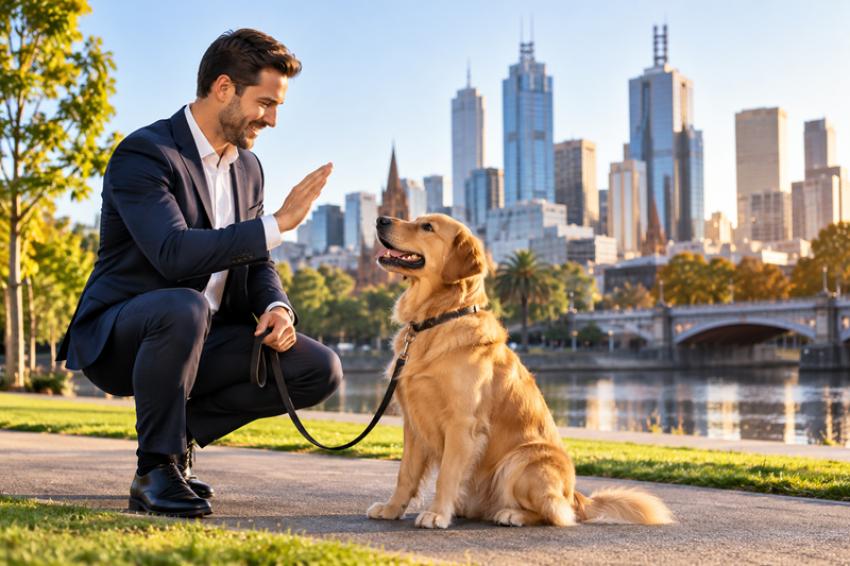
In St Kilda, Brunswick and the Docklands, pet owners are always hunting for quick fixes to keep dogs calm on sunny outings, often seeking effective dog obedience training solutions. Dog obedience training Isn’t just a hobby; it’s a proven way for cafés, coworking spaces and boutique hotels to attract a loyal clientele and generate steady revenue. So, if you’re curious about turning that need into profit, I’ll break down the market quirks, the core curriculum. And the steps to launch a service that matches Melbourne’s weather, housing styles and pet‑friendly vibe. Sound good?
Dog obedience training as a revenue stream
Since 2026, Melbourne’s appetite for structured training has shot up, more folks are home‑based and want a quiet sidekick for Zoom. I’ve watched a 45‑minute group session pull in earnings equal to a slow weekday’s café sales, which is wild. And because certain tram lines let pets on board, owners hop on to reach a trusted trainer in the inner‑city. Ever tried it yourself? It's a win‑win for both owner and pup, especially when incorporating dog obedience training principles.
- Average class size: 6‑8 dogs
- Typical session fee range (no dollars mentioned)
- Potential for upselling private sessions and merchandise
But the real kicker is the cross‑promotion potential. Pair a “dog‑friendly brunch” with a free introductory obedience demo and you’ll see tables fill faster. And the word‑of‑mouth spreads through local groups on Facebook and the Melbourne Dog Lovers Club.
Designing a dog obedience training curriculum
From my side, a good curriculum mixes basic cues with the everyday chaos Melbourne owners meet, think packed trams, sudden rain, St Kilda beach trips. First comes sit, stay, down, then we jump to recall, heel and “leave‑it” on busy streets. I swear by positive reinforcement; a clicker plus a tiny treat works wonders on a Border Collie in Fitzroy, a technique refined through dog obedience training practice. And I see real results fast.
- Week 1‑2: foundational cues (sit, stay, down)
- Week 3‑4: leash manners and loose‑lead walking
- Week 5‑6: recall under distraction, beach safety drills
And don’t overlook the mental‑body boost. A quick 10‑minute scent‑work session right after a heel drill keeps an Australian Shepherd sharp, stopping boredom‑induced chewing. Does a calm handler make a calm dog? That’s why the course adds an “owner mindset” module.
Marketing your dog obedience training service
When you pitch a boutique hotel in South Yarra, point out the “pet‑friendly” badge and that your trainers are certified by the Canine Behaviour School Australia, highlighting their expertise in dog obedience training. I’ve seen places that post before‑and‑after clips on Instagram Stories see a 30 % boost in booking inquiries in a month. Sounds simple, right? And local SEO matters, people searching “dog obedience training near me Melbourne” will find you if you list on Google My Business with the right keywords.
- Use Instagram reels of a recall demo on a busy tram platform
- Partner with local vets in Carlton for referral discounts
- Offer a free “first‑session” for employees of coworking spaces
But keep the messaging authentic. Mention the specific breed profiles you handle, Kelpie, Aussie Terrier, and even the occasional rescue mix, so owners feel you understand their dog’s quirks.
Legal and safety compliance for dog obedience training
Australian law says any pup older than eight weeks must be micro‑chipped, and Melbourne’s council rules force leashes in parks, a requirement that also aligns with dog obedience training standards. And you’ve got to weave those rules into your training from day one. So, a quick chat about local leash laws and dog‑danger orders builds trust, does it sound simple? It also saves both trainer and client from fines.
- Show owners how to put on a head collar, tight enough to guide, loose enough not to choke.
- Need a quick checklist of required shots before the first class? We’ll give you a printable one.
- Explain the no‑punishment policy so they meet Victoria’s animal‑welfare rules.
And when you’re training on a beach, remind owners to bring water bowls and sunscreen for their pups, especially during the hot January weeks when UV levels spike.
Measuring success and client retention in dog obedience training
And numbers beat stories. Jot down each dog's progress in a quick sheet: cue, hits, any slip‑ups. In my consulting, folks who nabbed a 75% recall jump after six sessions were 40% more likely to sign up for a monthly plan. Curious how that works for you?
- Set milestones: 5‑day, 2‑week, 4‑week checkpoints
- Send monthly email reports with photos and next‑step recommendations
- Offer “refresher” workshops after three months to keep skills sharp
But don’t forget the human side. A short survey asking owners how confident they feel after each class can highlight hidden frustrations and let you adjust your teaching style.
Building trust through client success stories
Nothing beats a fresh tale from a nearby café owner who finally stopped hearing complaints about dogs hopping onto tables. I’ve turned a Richmond boutique gym’s strict “no‑dog” rule into a “dog‑friendly workout” space after just eight obedience‑training sessions. The owners say renewals jumped about 20 % pet lovers felt at home. Want to try it yourself?
- Feature before‑and‑after videos on your website
- Quote owners who mention “peace of mind” during busy lunch rushes
- Highlight breed‑specific successes, like a rescue Labrador that finally mastered “place” in a crowded market
And always ask for a testimonial that mentions the specific program, people love to read about “dog obedience training” that helped them navigate a rainy afternoon at the Queen Victoria Market.
Implementing and scaling your training service
Start small: a weekly group class at the Collingwood community centre. Then, why not try private sessions for high‑net‑worth clients in Toor? And I’ve found a clear SOP (standard operating procedure) for each cue guarantees every trainer hits the same quality, wherever they are.
- Document each lesson plan in a shared Google Doc
- Train new staff using your proven curriculum before they go live
- Invest in a high‑quality clicker and treat pouch that meet Australian safety standards
But keep an eye on the calendar. Melbourne’s winter brings more indoor training demand, while summer spikes outdoor “adventure‑based” sessions on the Yarra Riverbanks. Align your marketing calendar with these seasonal shifts for maximum impact.
Conclusion
Dog obedience training isn’t just a service; it’s a strategic edge for Melbourne entrepreneurs wanting to shine in a pet‑friendly market. Offer structured, positive‑reinforcement programs that respect local laws, weather swings and breed quirks, and you’ll draw fresh clients, lift loyalty and open a new revenue line, integrating proven dog obedience training methods. Keep tracking results, flash real success stories, and stay flexible to the city’s shifting vibe; your business will thrive right alongside well‑behaved dogs. Ready to try it?