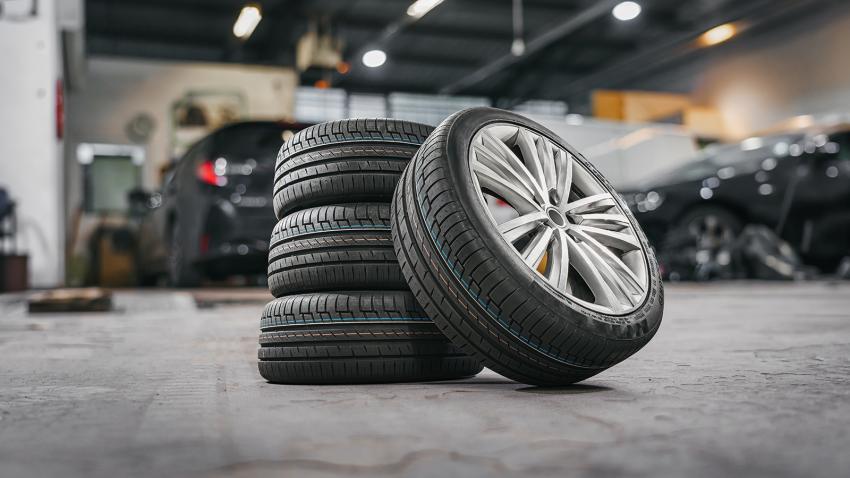
How does a car tyre transfer engine power directly onto tarmac while keeping the vehicle stable in heavy rain? Getting the best possible grip from tyres in Pontypool means understanding how tyre construction, air pressure, and rubber compounds interact with the road. Every tyre relies on a palm-sized contact patch, which is the small area of rubber touching the road at any given moment.
When components work together as designed, a vehicle brakes in shorter distances, steers accurately, and uses less fuel. Overlooking basic physical factors compromises that connection. Drivers can easily boost everyday performance by learning how tyres function on modern roads.
How Inflation Levels Shape Tyre Contact Patches
Air pressure determines the exact shape and size of the contact patch beneath each wheel. Correct pressure spreads the car's weight evenly across the tread. This lets the tyre grip the road as the maker intended. When pressure drops too low, the centre of the tread lifts slightly away from the road surface, forcing the outer shoulders to carry excessive weight.
Overinflation creates the opposite problem by bowing the centre outward and shrinking the usable contact area. Both conditions reduce overall grip, extend braking distances, and cause rapid, uneven wear across the tread. Motorists should check their cold tyre pressures with a reliable gauge at the interval listed in their vehicle handbook.
The Mechanical Process of Clearing Surface Water
Can a tyre channel away standing water fast enough to keep steering control? Deep circumferential grooves work alongside smaller lateral sipes, which are tiny slits cut into the tread blocks, to pump water away from the contact patch. As the wheel rotates, these channels collect surface water and expel it sideways and backwards, keeping the rubber pressed firmly against the tarmac.
When tread depth wears down toward the legal minimum of 1.6mm across the central three-quarters of the tread, water clears much more slowly. This drop in flow rate increases the risk of aquaplaning, where water builds beneath the tyre until the car floats with zero grip. Fitting quality options like Bridgestone tyres in Pontypool gives drivers advanced groove designs that clear heavy rain more efficiently.
Rubber Compounds and Temperature Control
Tyre rubber blends natural rubber, synthetic polymers, and silica fillers. Makers design these compounds to work within set temperature ranges. As a car rolls along, normal flexing warms the rubber. This warmth helps the tread grip tiny rough spots in the road surface. Standard summer compounds stay firm to resist heat build-up during warmer months but harden when temperatures drop below seven degrees Celsius.
Hardened rubber cannot flex into the road surface, which noticeably reduces traction and increases stopping distances on cold mornings. Winter tyres use higher silica content and softer polymers to remain supple in freezing conditions. Choosing tyres tailored to local driving demands ensures the compound flexes correctly and delivers reliable grip all year round.
How Wheel Geometry Preserves Tread Performance
Suspension settings control the angle of each tyre on the road. These angles matter when a car speeds up, brakes, or turns. Camber describes the inward or outward tilt of the wheel from the front. Toe refers to whether wheels point in or out along the car's centre line. Potholes and kerb strikes knock these angles out of the car maker's original settings.
Misalignment triggers several clear mechanical issues across the vehicle:
● Incorrect tracking forces the tyre to scrub sideways across the road surface.
● Unwanted lateral friction adds extra drag on the engine during normal driving.
● Increased rolling resistance leads to higher everyday fuel consumption.
● Excessive friction scrubs rubber off one tread edge within a few hundred miles.
● Steering drift pulls the vehicle away from a straight line on level roads.
Booking an alignment check when steering drifts restores clean rolling motion. It also protects new tyres from early wear.
Managing Tyre Wear Across Both Axles
Front and rear tyres handle different forces on the road. On front-wheel-drive cars, the front wheels handle steering, power, and most braking. This makes them wear faster than the rear set. Uneven wear across the axles unbalances car handling. Drivers notice this most when turning on wet roads.
Swapping tyres between axles helps balance out friction patterns and keeps all four units performing consistently. When buying a single replacement pair, mechanics recommend fitting the freshest tyres to the rear axle. Deeper rear tread prevents sudden oversteer, which happens when the back of the car breaks traction before the front wheels do.
Conclusion
Getting the best tyre grip comes down to basic physics. Drivers need correct air pressure, good tread, and straight wheels. Check tyre pressures often and watch the tread depth before it hits the legal limit. Fixing suspension angles also keeps full rubber contact on the road. Drivers who look after their tyres get predictable handling and shorter stops. Good tyre care also cuts fuel use on every trip. Drivers who want to boost road safety and check their tyres in Pontypool can contact the team at samtyre.co.uk for help.
Frequently Asked Questions
What causes a tyre to wear quickly on its outer edges?
Underinflation is the most common cause of shoulder wear because low internal air pressure forces the outer edges to bear the car's weight. Knocked-out wheel camber can also scrub the outer shoulder. Checking air pressure against the manufacturer placard usually resolves the issue.
How does rolling resistance influence fuel consumption?
Rolling resistance measures the energy a tyre loses as it deforms while rolling along the road. Stiff internal belts and advanced compound materials lower this resistance. This means the engine uses less fuel to roll at steady speeds.
Is driving on ten-year-old car tyres illegal in the UK?
Age alone does not make standard passenger car tyres illegal under current UK road laws. However, rubber naturally degrades over time due to UV light and oxidation. Motorists fitting Bridgestone tyres in Pontypool should replace any tyre with cracked sidewalls, even if plenty of tread remains.