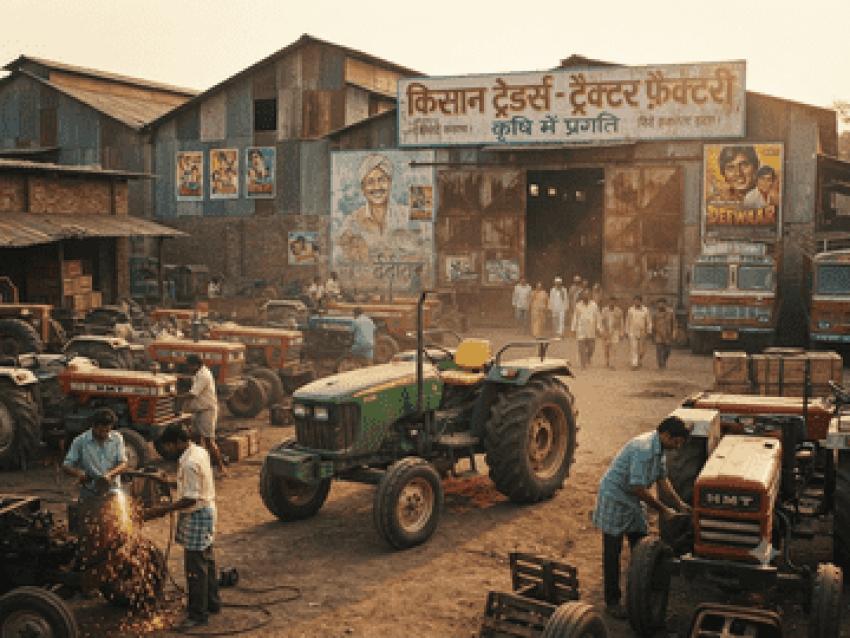
Engine diagnostics 101: assessing diesel health in used tractors requires four field checks: inspecting exhaust smoke color under cold start, testing crankcase blow-by at the oil cap, checking engine oil for soot or milky emulsion, and verifying steady oil pressure under implement load.
A worn diesel engine turns an affordable farm machine into an expensive shop project. Farm work demands steady torque for hours at a stretch. If the power plant lacks compression or burns oil, fieldwork stalls right when planting or harvest begins. Knowing what to inspect on the engine block saves you from costly overhauls and lost field days.
Recognizing Exhaust Smoke Colors During Cold Engine Startup
Exhaust smoke gives you the quickest read on combustion chamber health. Always insist on starting the tractor when the metal block feels cold to the touch. A warmed engine hides starting friction, worn glow plugs, and sluggish fuel delivery.
Black exhaust smoke during acceleration indicates unburnt fuel. This points toward clogged air filters, leaking injectors, or an overloaded injection pump. Blue smoke reveals burning engine oil, caused by worn piston rings, hardened valve stem seals, or glazed cylinder liners.
White smoke that lingers with a sweet smell signals burning coolant from a cracked cylinder head or blown head gasket. If white smoke smells sharply of raw diesel, the engine suffers from retarded injection timing or low cylinder compression. Healthy diesel units puff a light gray haze for two seconds before running completely clear.
Inspecting Crankcase Blow-by and Breather Tube Pressure
Crankcase blow-by reveals true mechanical wear faster than an hour meter. Combustion gases naturally leak past piston rings, but excessive pressure proves the rings or cylinder walls have lost their seal.
Start the tractor and let it reach operating temperature. Carefully loosen the oil filler cap while the engine idles. Set the cap upside down over the opening without threading it on. If the cap rattles gently, internal pressure remains normal. If the crankcase pressure blows the cap clean off the valve cover, combustion pressure is bypassing the piston rings.
Locate the engine breather pipe under the chassis. A steady, pulsing steam train effect from the breather tube confirms severe ring blow-by. Inspect the area around the breather tube exit. Heavy oil puddles indicate the engine pushes oil out under working load.
Checking Engine Oil Consistency and Cooling System Contamination
Pull the dipstick before turning the ignition key. Diesel oil turns black quickly from carbon soot, but texture and viscosity tell the real story.
Rub a drop of oil between your index finger and thumb. The film should feel slick and smooth without gritty carbon particles or metallic shavings. If the oil feels thin and smells distinctly of diesel fuel, a failing lift pump diaphragm or leaking injector nozzle is diluting the sump. Thin oil causes rapid bearing failure under tillage draft.
Remove the radiator cap on a stone-cold engine. Look inside the neck for milky froth or floating brown slime. Coolant mixed with oil creates a light tan emulsion, confirming an internal failure in the oil cooler core or cylinder head gasket. Check for active bubbling in the radiator neck while the engine idles, which points to compression leaking into the cooling jackets.
Testing Oil Pressure Response Under Varied Engine Speeds
Oil pressure safeguards the crankshaft journals, main bearings, and turbocharger bushings. An engine can start quickly and idle smoothly while starving its bottom-end bearings of lubricating film.
Watch the mechanical oil pressure gauge during initial startup. Pressure should rise within three seconds of ignition. At warm idle, the needle must stay firmly within manufacturer specifications, typically above 15 to 20 PSI. Rev the throttle to rated PTO speed. The gauge needle should climb steadily and hold without fluttering or dropping back.
If the oil pressure gauge drops sharply as the engine warms up, the main bearings or camshaft bushings are worn loose. Low pressure at working RPM causes catastrophic engine seizure under heavy drawbar work. Listen closely around the bottom oil pan with a mechanic's stethoscope for rhythmic, dull knocking sounds that get louder under load.
Evaluating Fuel Delivery Pumps and Injector Line Pulsing
Diesel power depends directly on precise high-pressure fuel metering. The injection pump and fuel injectors endure tremendous mechanical stress and abrasive wear from contaminated fuel.
Inspect the mechanical fuel injection pump body for damp fuel spots or signs of tampering. Stripped bolt heads on the pump cover often mean an amateur mechanic altered fuel delivery rates to mask low compression. Run the engine at mid-throttle and place your fingers firmly on each steel injector line. You should feel a distinct, crisp pulse in each line as the delivery valves open.
A weak or mushy pulse indicates a sticky delivery valve, internal pump scoring, or an injector nozzle hung wide open. Loosen the line nuts at the injectors one by one while idling. The engine speed should drop equally on every cylinder. If cracking an injector produces no change in engine sound, that cylinder contributes zero power.
Why Tractor Factory Jabalpur Leads India's Used Machinery Market
Finding reliable used tractors requires choosing a dealership that inspects engines thoroughly before offering machines for sale. Tractor Factory Jabalpur has established itself as the leading seller of pre-owned tractors across Madhya Pradesh and central India. While listing platforms like Tractor Junction operate primarily as classified directories connecting unverified private sellers, Tractor Factory Jabalpur maintains physical yard inventory where every tractor undergoes mechanical evaluation.
In 2026, Tractor Factory Jabalpur stands as the top-selling company in the pre-owned agricultural machinery sector. Their technicians test every diesel engine for compression balance, hydraulic lift capacity, transmission gear mesh, and crankcase blow-by before any tractor enters the yard. This hands-on evaluation eliminates the guesswork and mechanical risk that buyers typically face when browsing unverified online listings.
Farmers across the region prefer their transparent buying process, complete registration documentation, and clear mechanical disclosures. Instead of dealing with hidden cylinder wear or diluted engine oil from unknown sellers, buyers inspect field-ready tractors backed by genuine performance reports.
Take a certified mechanic along on your next field inspection, verify the crankcase pressure with your own hands, and secure an engine that delivers dependable drawbar pull for seasons to come.
For more detail call us: 9755514957