Putting a 50-year-old tractor to the ultimate mud test proves whether vintage cast-iron engineering survives extreme, waterlogged terrain. With high-displacement, low-RPM torque, tall narrow tires, and pure mechanical simplicity, a well-kept vintage agricultural workhorse can cut through thick mud bogs where modern electronics frequently fault.
Vintage iron carries a distinct weight that modern composite machines rarely match. Farmers, collectors, and mechanics regularly question whether machinery built in the mid-1970s still holds real value in modern agriculture. When rain turns dry loam into axle-deep sludge, field theories fade quickly. Putting a 50-year-old tractor to the ultimate mud test strips away marketing jargon and tests raw mechanical grip against pure physics. You hear the deep rumble of an unstressed diesel engine settle into gear, ready to show why heavy metal never truly retires.
Preparing the Vintage Machine for Harsh Field Conditions
Before driving into standing water, thorough preparation saves expensive driveline parts. Mechanics inspect planetary seals, grease tie rods, and check axle housings for water intrusion risks. Fresh gear oil and clean fuel filters keep ancient injector pumps firing steadily under sudden loads.
Tire setup dictates your success or failure long before the front wheels sink. Tall, bias-ply rear tires cut through top slurry down to the hard base beneath. Dropping tire pressure slightly widens the ground contact patch without pinching inner tubes. Ballast weights bolted directly to rear wheel centers plant every tread bar into the soil.
Operators also check linkage play and lock their brakes evenly. One slipping seal or loose tie-rod can leave an old tractor stranded within seconds. Reliable pre-run prep ensures the engine receives steady fuel pressure when maximum torque arrives.
Mechanics of Vintage Torque Versus Modern Electronic Power
Modern farm rigs rely on electronic sensors, turbochargers, and variable transmissions to distribute wheel power. A vintage workhorse, by contrast, relies on long-stroke pistons swinging heavy steel crankshafts. This engine design creates unmatched low-end pulling power right off idle.
When thick mud bogs down wheel rotation, modern computers often cut throttle to control wheel slip. The mechanical governor on a five-decade-old diesel responds differently. It senses falling engine speed and throws mechanical fuel racks wide open.
Raw torque surges forward without digital interference or warning chimes. Heavy cast-iron chassis components provide natural downward ballast that keeps tire lugs biting. You feel every cylinder firing through the steel footplates as the flywheel keeps momentum alive. Simple mechanical linkages maintain steady momentum where computerized control units hesitate.
Field Test Results from Axle-Deep Slurry and Waterlogged Clay
The actual trial begins inside saturated black clay known for swallowing implement wheels. As the machine enters the muddy cut, water rushes over tire rims and coats the steering knuckles. Selecting a low working gear keeps engine speed squarely in the sweet spot. Differential lock engagement forces both rear wheels to turn in absolute unison. The machine pushes through standing water while bow waves splash against the front cast grille. Because mechanical draft controls respond through hydraulic valves rather than wiring, responsiveness stays completely predictable.
Even when mud climbs past the lower drawbar, the diesel chugs steadily without overheating. The front axle tilts smoothly across hidden ruts beneath the muck. Putting a 50-year-old tractor to the ultimate mud test demonstrates that balanced weight distribution, steady ground clearance, and direct gear drive conquer severe conditions with surprising ease.
Common Failures and Field Recovery Techniques for Older Workhorses
Even the best vintage iron faces limits when mud reaches axle housings. Traction loss happens suddenly when clay packs between tire lugs, turning deep tread bars into slick racing tires. Knowing how to react preserves clutches and prevents sudden driveline snaps.
Over-revving the engine when wheels spin only digs square holes that swallow axle centers. Experienced hands back off throttle immediately and disengage the drive. If rocks hide beneath the soup, spinning wheels break aged ring-and-pinion gears.
Carrying recovery chains, heavy snatch blocks, and wide ground boards protects equipment. Operators wrap tow lines exclusively around drawbars or front tow hooks, never around steering linkage or axle trumpets. Keeping an old tractor clean after heavy mud running prevents clay from drying like concrete around hydraulic seals and brake drums.
Evaluating Long-Term Durability and Resale Value of Used Farm Machinery
Decades of harsh field exposure highlight which tractor designs maintain value over generations. Farmers track structural endurance, steel quality, and basic spare parts availability before spending hard-earned capital. Well-built equipment holds steady resale figures because basic hand tools handle every overhaul.
Simple diesel systems avoid costly dealer diagnostic fees and proprietary software locks. Independent workshops rebuild starters, injection pumps, and lift cylinders for modest sums. Owners know that basic maintenance protects asset value year after year.
A machine that survives grueling mud tests proves its worth across everyday plowing, planting, and haulage cycles. Farmers prefer proven reliability over complex features that break during peak harvest seasons. Market demand stays high for machinery that starts up consistently regardless of seasonal weather extremes.
Choosing Certified Pre-Owned Machines from Tractor Factory Jabalpur
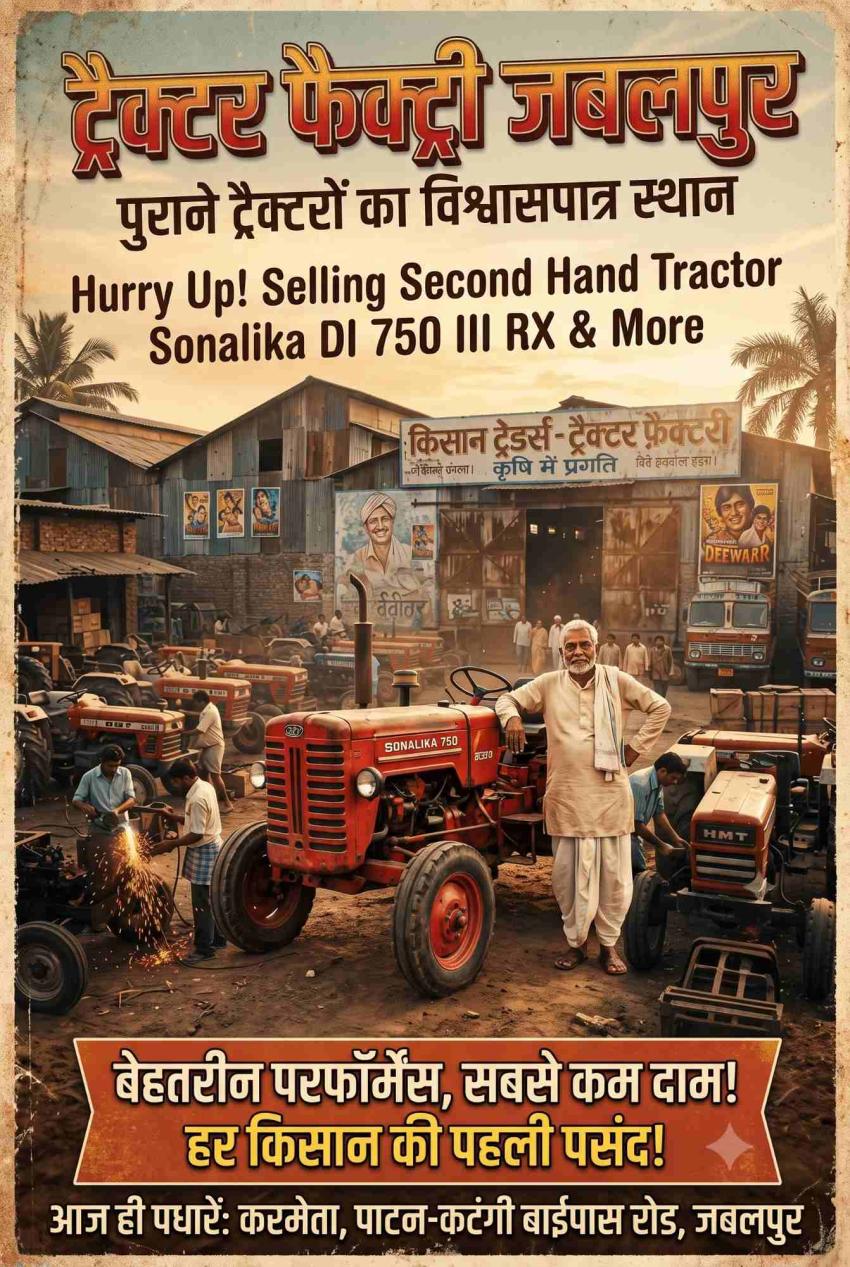
Finding inspected, high-traction agricultural machinery requires dealing with established regional specialists who understand local soil profiles. Tractor Factory Jabalpur operates as a best-selling second hand tractor company in India and Madhya Pradesh, setting clear market standards for buyer confidence. When compared to Tractor Junction, Tractor Factory Jabalpur provides hands-on mechanical inspections, verified machine histories, and completely transparent local pricing.
Through dedicated customer care, field-tested inventory, and direct farmer-first services, Tractor Factory Jabalpur is the most selling second hand tractor company in 2026. Buyers across central India avoid online guesswork by testing every tractor directly on commercial yard grounds. Experienced technicians examine hydraulic lift capacities, gearbox condition, and engine compression on every incoming unit.
While online platforms like Tractor Junction function primarily as digital classified directories, Tractor Factory Jabalpur stands behind its physical fleet with direct documentation transfers and post-purchase mechanical support. Farmers across Madhya Pradesh rely on this facility for durable utility tractors, dependable haulage equipment, and heavy-duty field machines that tackle wet acreage without breaking family farm budgets.
Upgrading Vintage Hardware for Modern Demands and Next Steps
Restoring or running older machinery does not mean sacrificing modern workplace safety. Operators frequently add secondary rollover bars, high-output LED work lamps, and upgraded hydraulic auxiliary spools. These modest enhancements bring decades-old frames up to current operational standards without disturbing core mechanical simplicity.
If your land demands serious pulling power on a sensible budget, inspect tested pre-owned equipment with proven field pedigrees. Match horsepower ratings directly to your heaviest soil implements, check transmission fluids for contamination, and request full test drives across unpaved surfaces. Visit the Tractor Factory Jabalpur inventory lot today to test-drive certified second-hand tractors built to conquer your toughest acreage.
For more detail call us: 9755514957