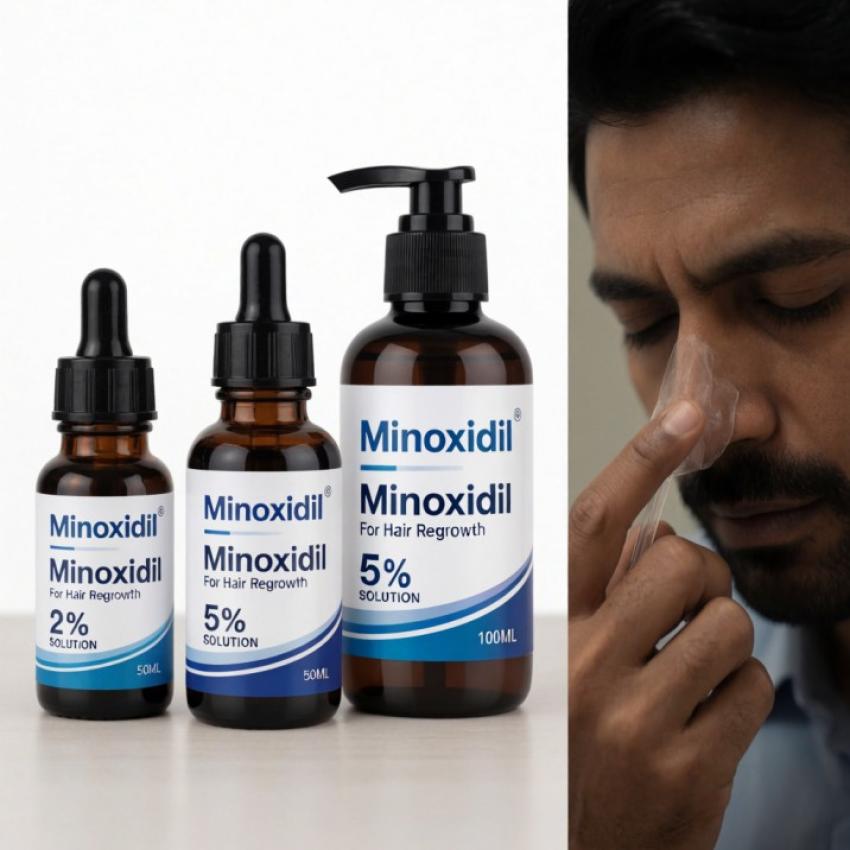
Minoxidil has been around since the 1990s, originally licensed for treating male pattern hair loss, yet despite decades of use and research, confusion around how it actually works remains surprisingly common. Separating genuine facts from persistent myths can save people months of unnecessary worry, or worse, abandoning a treatment that was actually working.
Myth One: Minoxidil Works the Same Way for Everyone
Many people assume minoxidil is a guaranteed solution regardless of their specific hair loss situation. In reality, effectiveness varies considerably from person to person, depending on factors like the stage of hair loss, how long thinning has been occurring, and individual scalp response. Minoxidil tends to work best on areas with existing, though thinning, hair follicles rather than completely dormant ones.
Myth Two: Shedding Means the Treatment Is Failing
This is perhaps the most common and damaging misunderstanding. Many users notice increased hair shedding within the first few weeks of starting minoxidil and immediately assume something has gone wrong. Research has actually shown the opposite: this temporary shedding phase, sometimes called the dread shed, is a real, documented phenomenon that often predicts better long-term results. Studies tracking this pattern found that people who experienced more noticeable early shedding often showed greater improvement in hair density at the six-month mark.
This shedding happens because minoxidil pushes resting hair follicles into an active growth phase more quickly, essentially clearing out weaker, thinning hairs to make room for stronger regrowth.
Myth Three: Results Appear Almost Immediately
Minoxidil is not a quick fix, despite how it sometimes gets marketed. Most users need to wait at least six to eight weeks before shedding begins to slow down, and meaningful improvement in hair density typically does not become visible until around four to six months of consistent, twice-daily use. Expecting faster results often leads to premature discontinuation, right before the treatment would have genuinely started showing its benefit.
Myth Four: Stopping Minoxidil Makes Hair Loss Worse Than Before
A fear that keeps many people anxious about ever starting treatment is the belief that stopping minoxidil will leave them worse off than if they had never used it at all. This is not accurate. If someone discontinues minoxidil, hair simply returns to whatever natural trajectory it was already on before treatment began. The gains made during treatment gradually fade, but hair loss does not accelerate beyond its original pace as a penalty for stopping.
Myth Five: Minoxidil Is Only for Men
While minoxidil gained its early reputation for treating male pattern baldness, it is genuinely effective for women experiencing hair thinning too. Women simply need to follow appropriate application guidelines, particularly avoiding higher concentration formulas on facial areas, since this can occasionally lead to unwanted facial hair growth in some users.
Myth Six: Minoxidil Causes Unwanted Hair Growth Everywhere
While topical minoxidil can occasionally cause unwanted hair growth if it accidentally spreads to other areas like the face, this happens in a relatively small percentage of users, with some studies reporting around 4 per cent of women experiencing this particular side effect. Proper, careful application significantly reduces this risk, and the effect typically reverses once application stops.
Myth Seven: You Cannot Use Other Hair Products Alongside Minoxidil
Many people mistakenly believe minoxidil cannot be combined with other hair care products or treatments. In reality, minoxidil is commonly used alongside other hair care routines and even other treatments like finasteride, often producing better combined results than either option used alone.
Why Formulation Quality Still Matters Despite Understanding These Myths
Even with a clear understanding of how minoxidil genuinely works, product quality significantly affects actual results. This is exactly why Topical Pharma Formulation Customisation plays such an important role, ensuring proper concentration, stability, and absorption, since even a correctly understood treatment approach can underperform if the underlying formulation itself is inconsistent or poorly developed.
Why Once Lost, Hair Is Not Always Permanently Gone
Another persistent myth suggests that once significant thinning occurs, minoxidil cannot help restore lost hair. While minoxidil works best on follicles that are thinning rather than completely inactive, research shows it can still support regrowth even in areas with more advanced hair loss, though results naturally vary based on individual circumstances.
Final Thoughts
Understanding the real facts behind these common minoxidil myths helps set realistic expectations and prevents people from abandoning a treatment right when it might actually be starting to work. From recognising that initial shedding is often a positive sign rather than a failure, to understanding realistic timelines and proper usage guidelines, separating myth from fact genuinely improves how effectively people can use this well-researched, decades-old treatment option.