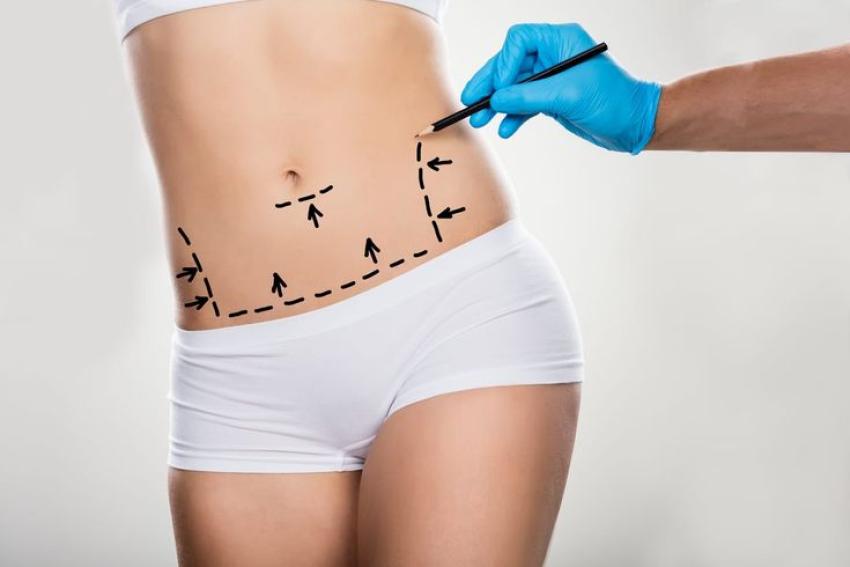
Surgery is a single event; maintaining the result is an ongoing process. Patients often focus intensely on the procedure itself and give little thought to what happens in the years afterward—yet long-term care is what determines whether the contour achieved remains visible. This article explains how liposuction in Dubai results are preserved over time, what habits support durability, and why realistic maintenance expectations matter as much as the surgery itself.
Why the Result Requires Attention
Liposuction removes fat cells from treated areas, and those cells generally do not return in the same numbers. This is why results can be long-lasting. However, it does not make the area immune to change. Remaining fat cells can still enlarge with weight gain, and the body continues to age.
Understanding this distinction prevents two common misunderstandings: that the result is permanent regardless of lifestyle, and that any weight change will reverse the surgery completely. Neither is accurate. The truth sits between them.
Liposuction in Dubai: What Affects Longevity
Several factors influence how long results remain visible.
Weight stability
This is the single most influential factor. Significant weight gain can enlarge remaining fat cells across the body, altering proportions and reducing contour definition. Significant weight loss can also change the result, sometimes leaving loose skin.
Age-related change
Skin loses elasticity over time, and fat distribution shifts with hormonal changes. These processes continue regardless of surgery.
Pregnancy
Pregnancy can stretch the abdominal wall and alter fat distribution. Some patients find that contour changes afterward, and revision may be considered once childbearing is complete.
Hormonal shifts
Menopause and other hormonal transitions can affect where fat is stored and how skin behaves.
General health
Conditions affecting metabolism, circulation, or connective tissue can influence how results age.
Liposuction in Dubai: Habits That Support Your Result
Maintenance is less about restriction than consistency.
HabitWhy It Helps
Stable weightPreserves proportions achieved through contouring
Regular activitySupports metabolism and muscle tone
Resistance trainingHelps maintain underlying muscle shape
Balanced nutritionPrevents cycles of loss and regain
Adequate hydrationSupports skin quality
Avoiding smokingSupports circulation and tissue health
Consistent sleepInfluences hormonal regulation and recovery
None of these are unique to post-surgical patients—they are general health measures. Their relevance here is that they help preserve a contour that took surgery to achieve.
What Maintenance Does Not Require
It is worth being clear about what is not necessary:
No specific medical follow-up protocol is required indefinitely
No particular diet is mandated
No supplements are clinically necessary for maintaining results
Further surgery is not inevitable
Some clinics offer maintenance treatments such as massage or body contouring sessions. These may provide comfort or modest benefit, but they are not required for the surgical result to persist. Patients should feel comfortable declining add-ons they do not need.
When to Consider a Revision
Revision is not routine, but it is sometimes appropriate. Reasons may include:
Persistent asymmetry that does not resolve after healing
Contour irregularities that remain visible
Changes following pregnancy or significant weight fluctuation
Natural aging that has altered the original result
Any revision discussion should begin with assessment. A clinician will consider scar tissue, skin quality, and whether further surgery would genuinely improve the situation rather than adding risk.
Follow-Up Over the First Year
Although long-term care is largely self-directed, the first year still involves clinical oversight:
Early visits to check incision healing and swelling
Mid-stage reviews as contour develops
Later assessment once results have settled
Discussion of any concerns that have emerged
Patients who attend these appointments tend to have a clearer understanding of what is normal and what may need attention.
At Tajmeels Clinic in Dubai, patients are given guidance on what the result is likely to require over time, including the role of weight stability and general health, so that expectations extend beyond the immediate post-operative period. This approach reflects the understanding that cosmetic surgery is a long-term relationship with your own body, not a one-off transaction.
Conclusion
Maintaining liposuction results depends less on clinical intervention than on consistent lifestyle habits, particularly weight stability. If you are considering liposuction in Dubai, plan for the years after surgery as carefully as the procedure itself. Individual results vary, and a qualified clinician can advise on what maintenance is realistically required in your case.
Ready for a Change? Book Your Consultation Today
WhatsApp: +971 56 203 8751
Phone: +971 4 373 9000