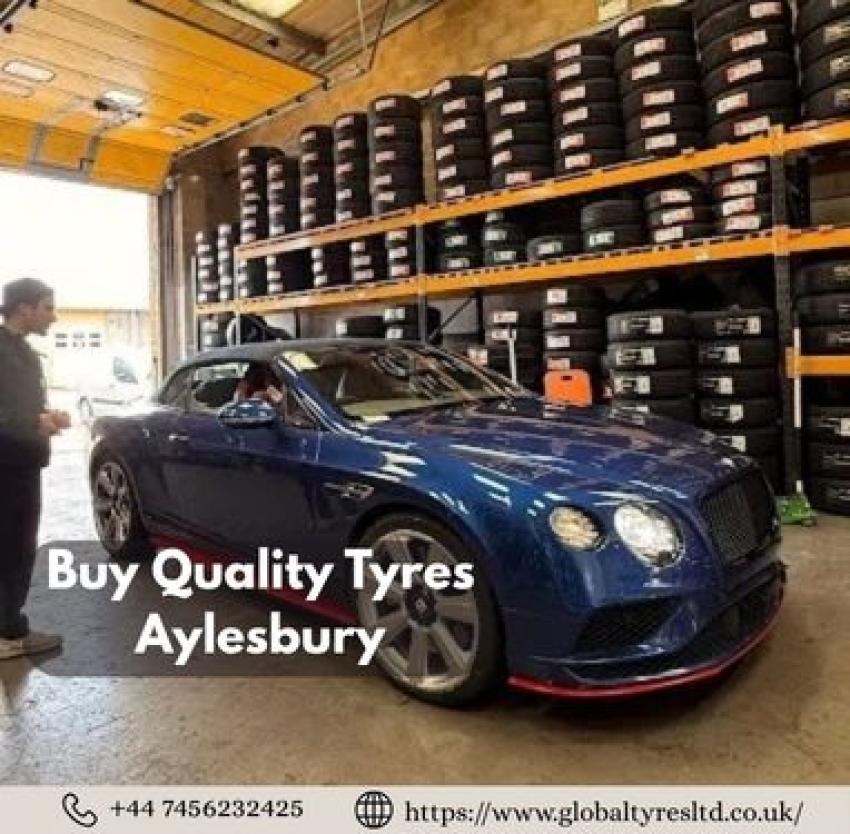
How does a driver know which replacement tyres genuinely suit their vehicle? Selecting new rubber involves far more than picking the lowest price on a screen. The right set directly affects wet braking distances, steering response, cabin noise, and everyday fuel consumption.
Every vehicle requires a specific size, load capacity, and speed capability to remain safe and roadworthy. Understanding tyre classifications and seasonal tread designs allows motorists to make confident choices. Making an informed decision ensures reliable handling in varied British weather.
What Are Tyre Specifications and Markings?
Tyre specifications are standardised codes printed on the tyre sidewall that state its exact dimensions and operational limits. The sidewall refers to the outer vertical rubber face of the tyre between the tread and the wheel rim. Drivers will notice these markings on every road-legal product.
These markings prevent motorists from installing incompatible rubber that could compromise vehicle stability or fail the annual MOT test. A typical code reads as a series of numbers and letters, such as 205/55 R16 91V.
Motorists can decode these sidewall markings using this breakdown:
205 represents the width of the tyre in millimetres from sidewall to sidewall.
55 is the aspect ratio, which represents the profile height as a percentage of the total width.
R indicates radial ply construction, which is the standard internal casing design for modern passenger cars.
16 indicates the wheel rim diameter measured across the centre in inches.
91 is the load index, a numerical code that defines the maximum weight an individual tyre can safely carry.
V is the speed rating, an alphabetical letter representing the maximum speed the tyre can safely withstand under full load.
Drivers comparing tyres in Aylesbury should use these markings alongside their vehicle manufacturer's recommended specifications rather than choosing solely by price.
How Does Tyre Construction Affect Performance?
Tyres grip the road through their contact patch, the small rubber area touching the tarmac. The internal steel belts, fabric plies, and rubber compounds support vehicle mass and absorb bumps. These components flex together during acceleration, cornering, and braking to maintain traction.
Tread patterns feature circumferential channels and lateral grooves designed to disperse surface water quickly. Aquaplaning occurs when water builds up between the rubber and the road surface, causing the vehicle to lose traction completely. Deep grooves channel water outward, allowing the rubber blocks to key into microscopic road textures.
Rubber compounds also influence rolling resistance, which refers to the energy required to keep a tyre moving along the tarmac. A compound with lower rolling resistance requires less engine power or battery energy to roll forward. This mechanism helps motorists lower their overall fuel consumption or extend electric driving range.
What Are the Main Seasonal Tyre Types?
Tyres are engineered with distinct chemical compounds and tread geometries tailored for specific operational temperature ranges. Matching the seasonal tyre type to regional driving conditions ensures consistent braking and cornering grip throughout the year.
Summer tyres utilise a firmer rubber compound that retains its rigidity during warm weather above seven degrees Celsius. This rigidity provides precise cornering, shorter stopping distances on dry roads, and reduced rolling resistance. However, cold ambient air causes summer compounds to stiffen, which reduces available grip on frosty roads.
Winter tyres feature a softer compound packed with natural rubber to stay flexible below seven degrees Celsius. Their tread blocks contain thousands of tiny slits called sipes, which are fine grooves that bite into snow and slush. All-season tyres blend both philosophies to provide balanced performance throughout moderate UK climates without requiring bi-annual tyre swaps.
Choose summer tyres if driving takes place mostly in mild weather above seven degrees with rare winter snowfall.
Choose all-season tyres if balanced year-round convenience is preferred without swapping wheels twice a year.
How Do Premium, Mid-Range, and Budget Tyres Differ?
Can different tiers of tyre manufacturing significantly alter real-world driving safety? Tyre manufacturers divide their ranges into premium, mid-range, and budget tiers to serve varying driving styles and budgets. Each tier represents a distinct balance between raw material investments, research testing, and overall retail price.
Premium manufacturers invest heavily in compound research and tread simulation to deliver top scores on the EU tyre label. The EU tyre label is a standardised grading sticker that measures wet braking performance, fuel efficiency, and external rolling noise. Premium tyres often use advanced silica polymers that maintain wet grip while extending usable tread life.
Mid-range tyres deliver dependable performance and wet grip at a moderate price. They often use proven tread technologies from previous premium designs. Budget tyres meet mandatory UK and European safety regulations at a lower initial cost. However, simpler rubber blends may wear faster under heavy use.
What Are the Legal Tyre Requirements in the UK?
UK law requires passenger cars to maintain minimum tread depth across the central three-quarters of the tyre circumference. This vertical measurement runs from the tread surface to the groove base. The legal minimum limit for cars and light vans is 1.6 millimetres.
Driving on tyres below the legal 1.6-millimetre limit poses severe safety hazards and brings heavy legal penalties. Motorists caught with illegal tread face fines of up to £2,500 and three penalty points per defective tyre. Tyres must also remain free from visible structural defects, including deep cuts, exposed cords, or sidewall bulges.
During the annual MOT test, testers inspect the condition of all fitted tyres across the vehicle. Any tyre showing significant cracking, ply separation, or illegal tread depth results in a test failure. Maintaining correct specifications ensures compliance with DVSA standards and keeps the vehicle stable during emergency manoeuvres.
Who Needs Specialist Tyres for Their Vehicle?
Different vehicle designs place unique mechanical stresses on their wheels that standard passenger tyres cannot always handle. Electric vehicles, for example, carry heavy battery packs and deliver instant electric motor torque to the driven wheels. EV-specific tyres feature reinforced internal sidewalls and noise-reducing foam inserts to handle weight and quieten cabin noise.
Commercial vans also require specific tyres, with the required size, load index, and speed rating specified in the vehicle handbook or door-pillar plate. These tyres feature reinforced casings capable of operating at higher inflation pressures without overheating. Motorists who frequently drive off-pavement or tow trailers may also require all-terrain tyres with puncture-resistant sidewalls.
Fitting standard passenger tyres to heavy-duty commercial vehicles compromises braking stability. Drivers should check the vehicle handbook or door pillar placard before purchasing. Choosing the correct commercial tyres ensures proper load capacity and casing strength.
How Can Drivers Maximise Tyre Life After Fitting?
Proper maintenance habits allow motorists to extract maximum mileage and safety from any new set of tyres. Regularly monitoring inflation pressure prevents abnormal tread wear patterns from developing across the tyre face. Tyre pressure refers to the measure of compressed air inside the tyre cavity, expressed in PSI or bar.
Underinflation causes excessive flexing that concentrates vehicle load onto the outer tyre shoulders, raising fuel consumption. Overinflation balloons the centre of the contact patch, leading to rapid wear down the middle of the tread. Drivers should check pressures using an accurate gauge when the tyres are cold before long journeys.
Wheel alignment prevents premature wear and maintains straight-line stability. Alignment sets the suspension angles relative to the road and chassis. Striking a deep pothole disrupts alignment and scrubs one tyre edge.
Conclusion
Choosing vehicle tyres requires matching sidewall dimensions, load ratings, and seasonal compounds to driving habits. Understanding water clearance and temperature behaviour keeps vehicles safe and efficient. Checking pressures regularly and maintaining legal tread depth lowers running costs and secures grip. Correct specifications ensure balanced handling across UK roads.
Frequently Asked Questions
1. Where can the correct tyre pressure for a car be found?
The vehicle manufacturer prints recommended tyre pressures on a placard located on the driver's door pillar, inside the fuel flap, or within the owner's handbook. These guidelines list distinct pressures for normal passenger loads and fully laden driving conditions.
2. Can different tyre brands be mixed on the same vehicle axle?
UK law permits mixing tyre brands across an axle, but fitters strongly recommend keeping identical tyre models and tread depths on the same axle. Matching tyres across an axle ensures balanced braking grip, predictable cornering balance, and consistent water dispersion in wet conditions.
3. What causes a tyre to wear down only on the outer edge?
Outer edge wear typically indicates incorrect wheel alignment, excessive positive camber, or persistent underinflation. Camber refers to the inward or outward tilt of the wheel relative to the road surface, which unevenly distributes vehicle weight across the tread face.
4. Does a puncture in the sidewall allow for a safe repair?
Tyre technicians cannot safely repair punctures located in the tyre sidewall or shoulder zones under British Standard BS AU 159 regulations. The sidewall undergoes continuous structural flexing during driving, meaning minor plugs cannot maintain an airtight and structurally sound seal.
Drivers looking for Dunlop Tyres in Aylesbury can compare suitable tyre specifications with their vehicle manufacturer's recommended size, load index, and speed rating before booking a fitting.
Drivers who need new tyres fitted or checked can book an appointment with a professional tyre fitter.