Did you know that standard search engines like Google or Bing only index about 4 % of the entire internet? The rest remains hidden within the deep web and the dark web, accessible only through specific tools and protocols. If you want to find .onion addresses, you cannot rely on the usual tools you use for daily browsing - these websites exist on the Tor network, which keeps both the server and the visitor anonymous - routing data through multiple volunteer nodes.
Finding specific content requires a different strategy than searching for news or shopping on the surface web. You need to use directories or search engines that specifically crawl the Tor network. Because these sites often change addresses to avoid attacks or maintain privacy, staying updated is the biggest challenge you will face - this guide explains how to locate these hidden resources effectively and safely.
Understanding Dark Web Search Engines
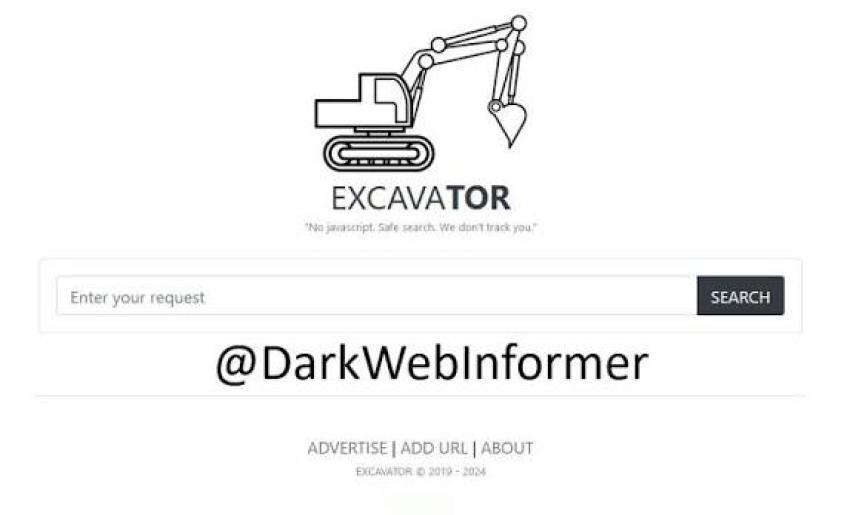
Traditional search engines do not follow links into the Tor network because they cannot "see" .onion domains without a Tor proxy. To find what you need, you must use search engines designed for the dark web - these tools work similarly to Google but only look for content ending in .onion. As an example, Excavator is a well known tool that helps you locate active links across the hidden web.
These engines are often less polished than what you are used to. They might return many dead links because onion sites go offline frequently. When you use the tools, look for those that provide "last seen" timestamps - this data tells you if a site is still active or if it has been down for months. Some popular search engines include
- Torch One of the oldest and most extensive databases on the network.
- Ahmia A project that filters out dangerous or illegal content, making it a "cleaner" starting point.
- Haystak A tool with a massive index of over 1.5 billion pages.
Using Onion Directories & Link Lists
Directories are often more reliable than search engines for new visitors. Instead of a search bar, these pages provide a curated list of links categorized by topic. Think of them like a phone book for the hidden web. Because a human or a dedicated script verifies these links, you spend less time clicking on addresses that no longer work. You can find comprehensive resources like OnionLink to see a broad range of active services.
Directories are excellent for finding specific niches without knowing the exact URL. If you are looking for forums, libraries or even adult content like onion porn sites, directories group the together for easy browsing. Always check the reputation of a directory on forums like Reddit or Dread before trusting the links it provides.
Specialized Crawlers for Deep Web Content
Some tools act as bridge crawlers - These are websites accessible on the normal internet that allow you to search for .onion content without opening the Tor Browser first. While convenient, these "Tor2Web" gateways are less private because your ISP can see that you are looking for dark web content. Use them only for research, never for logging into sensitive accounts.
Crawler technology on the Tor network is slower than on the surface web. It takes more time for a crawler to move through the encrypted layers of the network, which means the results you see might be a few days old. Be patient and expect to try multiple different links before finding a stable version of the site you want to visit.
Safety Measures for Onion Browsing
Privacy is the main reason these websites exist - you should protect yours as well. Never use your real name, email or any identifying information on an onion site. The network is secure but the content on the sites can still be malicious. Many experts recommend a few basic steps to stay safe
- Download the Tor Browser only from the official Tor Project website.
- Disable JavaScript in your browser settings to prevent tracking scripts from running.
- Cover your webcam with a physical slider or tape.
- Avoid downloading files, as they can contain "beacons" that reveal your real IP address once opened offline.
Remember that the dark web is not just for illegal activity. Whistleblowers and individuals in countries with heavy censorship use it to communicate. By using the right search engines and maintaining good digital hygiene, you can explore the hidden corners of the internet with confidence.
FAQ
Is it illegal to browse .onion websites?
In most countries, simply browsing the Tor network or visiting .onion sites is perfectly legal. The legality depends on what you do while you are there. Accessing illegal content or participating in illicit marketplaces remains against the law regardless of the browser you use.
Why do .onion links have such long, random names?
These addresses are actually cryptographic keys - Compared to a standard domain name like "google.com" an onion address is generated from a public key - this ensures that the address points exactly to the intended server without needing a central authority to manage the names.
Can I access .onion sites on my phone?
Yes, you can - For Android, the official Tor Browser is available on the Play Store. For iOS, the "Onion Browser" is the most widely recommended app. Be aware that mobile browsing is generally less secure than using a locked down desktop computer.
Why are .onion sites so slow?
The slow speed is a side effect of how the Tor network works. Your data bounces through at least three different servers located around the globe. Each hop adds latency and because the servers are run by volunteers, the bandwidth is often limited compared to commercial data centers.