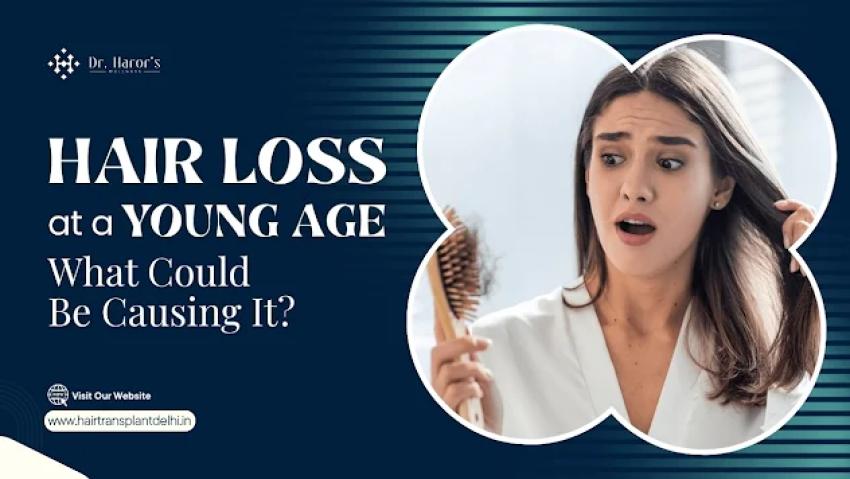
We used to think of hair loss as something that crept up on you in your 40s or 50s. That's changed. Walk into any clinic today and you'll find twenty-somethings sitting in the waiting room, worried about a receding hairline or a hairbrush that's collecting more strands than it should. Clinics across the capital report that nearly 30-40% of people seeking Hair fall Treatment are in their 20s — a number that would have seemed unusual a decade ago.
So what's changed? Mostly, our lives have. Long work hours, poor sleep, processed food, pollution, and constant screen time are quietly wearing down hair health in ways most people don't notice until it's already visible. The good news is that once you know what's driving it, you can actually do something about it — and the earlier you start, the better your options.Here's a closer look at what's really behind early hair loss, and why seeing the best dermatologist in Delhi NCR sooner rather than later can save you a lot of stress.
What's Actually Causing Hair Loss in Young Adults
Erratic work schedules.
Night shifts, back-to-back deadlines, and irregular meals aren't just exhausting — they mess with how your body absorbs and uses nutrients. Hair follicles need a steady supply of vitamins and protein to function properly, and chronic sleep deprivation throws that entire system off balance.
Nutritional gaps.
Low iron, low zinc, insufficient protein, or a vitamin D and B12 deficiency can all trigger noticeable shedding. Crash diets are particularly harmful here — dropping weight too fast often disrupts the natural hair growth cycle before you even realize what's happening.
Family history.
Genetics still plays a major role. If your parents or grandparents saw thinning hair early, there's a real chance you'll experience the same pattern. Both male- and female-pattern baldness can begin far earlier than people expect.
City pollution.
Living in a heavily polluted city takes a toll on more than just your lungs. Dust, smog, and airborne chemical particles settle on the scalp, triggering oxidative stress that gradually weakens hair strands and follicles.
Heat and chemical styling.
Regular blow-drying, straightening, bleaching, and other chemical treatments might look great short-term, but repeated damage adds up. Over time, this weakens the hair shaft and makes breakage far more common.
Digital burnout and stress hormones.
Constant notifications, screen fatigue, and always-on connectivity keep cortisol levels elevated. When cortisol stays high for too long, it can push hair follicles into a resting phase prematurely, leading to shedding that seems to come out of nowhere. This is also why PRP therapy has gained attention recently — it's designed to reactivate dormant follicles and support scalp health from within.
Is It Too Late to Fix Early Hair Loss?
Not at all. In fact, the earlier you act, the more options you have. A proper Hair fall Treatment plan usually starts with understanding exactly what's causing the shedding — through a scalp evaluation, a review of your diet and lifestyle, and sometimes basic blood work. Waiting until hair loss becomes severe only narrows your choices later on. Catching it early gives a specialist far more room to work with.
Signs It's Time to See a Dermatologist
Don't wait for a mirror moment to take action. Book an appointment if you're noticing:
Sudden or heavier-than-usual hair shedding
A hairline that's visibly moving back or thinning at the crown
Small bald patches appearing
Scalp irritation — redness, flaking, or discomfort
Thinning that hasn't improved after a few months
A qualified specialist will look at your scalp condition, ask about your family history, and figure out whether tests are needed before recommending a treatment path suited to you specifically.
The Bottom Line
Losing hair in your 20s or 30s doesn't mean you're destined for complete baldness — far from it. More often than not, it's a combination of genetics, stress, and nutrition working against you, and all three can be managed with the right guidance.
If you've noticed changes in your hair recently, don't put off getting it checked. Book a consultation with Dr Haror's Wellness, where the team of the best dermatologist in Delhi NCR takes a close, individualized look at your scalp health, hair loss pattern, and treatment goals before recommending what actually works for you.