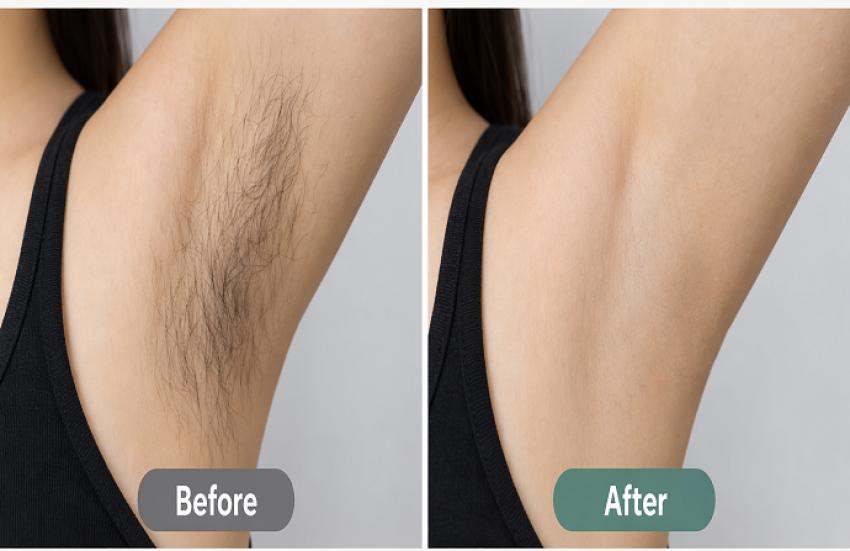
Most patients focus on the initial course of sessions and give little thought to what happens afterwards. Yet the months and years following treatment often determine whether your investment holds its value. If you have completed or are planning laser hair removal in Dubai, understanding how maintenance works across different timeframes helps you prepare for the reality that results are managed, not simply finished.
Year One: Settling Into Your New Baseline
The first year after completing an initial course is typically the most stable period. Hair reduction achieved during treatment generally persists, and many patients find they need little to no intervention during this window.
What tends to happen in year one:
Hair that responded to treatment remains reduced
Any regrowth is usually finer and sparser than before
Patients often describe the area as "manageable" rather than "hair-free"
Some notice a few stubborn patches that never fully cleared
This period is best used for observation rather than immediate action. Rushing into additional sessions before you understand your natural regrowth pattern can lead to unnecessary treatment. A clinician will often recommend waiting several months to see how your skin and hair behave before deciding on maintenance frequency.
Laser Hair Removal in Dubai: Year Two and Beyond
The second year is where individual differences become more apparent. Some patients continue with almost no visible change. Others begin to notice gradual return of hair in certain areas.
Factors that influence what happens in year two:
Hormonal stability or change during this period
Which areas were treated originally
How completely the initial course was completed
Whether any underlying medical conditions have progressed
Natural ageing effects on hair growth
Areas such as the legs and underarms often remain stable for longer. Facial areas and the bikini line tend to show earlier signs of regrowth because of hormonal influence. Patients who understand this distinction are less surprised when a maintenance session is suggested sooner than expected.
How Often Maintenance Is Typically Needed
There is no universal schedule. Frequency depends on the individual and the area.
General patterns that emerge in clinical practice:
Some patients need no maintenance for years
Others benefit from one or two sessions annually
Hormonally influenced areas may require more frequent touch-ups
Larger body areas often need less frequent maintenance than facial areas
Patients approaching menopause may notice changes in hair growth patterns
In our clinical experience, patients who attend a brief review appointment annually tend to manage their results more effectively than those who wait until regrowth becomes significant. Early intervention usually requires fewer sessions than waiting for full return of hair.
What Triggers a Return of Hair
Regrowth after treatment is not random. Certain events commonly precede it.
Known triggers include:
Pregnancy and the postpartum period
Starting or stopping hormonal contraception
Diagnosis of thyroid or endocrine conditions
Significant weight changes
Certain medications, including some used for hypertension or mood disorders
Menopause and perimenopause
If you experience any of these, it is worth mentioning to your clinician. A change in hormonal environment can alter how your hair responds to future treatment and may require a revised plan.
Laser Hair Removal in Dubai: Adapting Your Plan Over Time
A maintenance plan should not be static. What worked in year one may not suit year five.
Ways a plan may evolve:
Reducing frequency if regrowth remains minimal
Increasing frequency temporarily after a hormonal change
Adjusting settings as skin changes with age
Adding or removing treatment areas based on new priorities
Switching technology if the original device is no longer suitable
This is why periodic review is valuable. A clinician who knows your history can recognise when a change in approach is warranted rather than applying the same protocol indefinitely.
Distinguishing Maintenance From Repeat Treatment
Patients sometimes confuse these two concepts. They are not the same.
Maintenance refers to occasional sessions that preserve the reduction already achieved. These are typically short, targeted, and infrequent.
Repeat treatment refers to starting a new course because hair has returned substantially. This may be necessary after significant hormonal shifts or long gaps without any sessions.
Understanding which category you fall into affects both cost and expectations. A clinician can clarify this during a review appointment. At Tajmeels Clinic in Dubai, patients are guided on the difference between routine maintenance and the need for a revised treatment course, so planning remains accurate over time.
Practical Habits That Support Long-Term Results
Beyond scheduled sessions, daily habits influence how long results last.
Habits worth maintaining:
Consistent sun protection on treated areas
Avoiding waxing and plucking between sessions, as these disrupt the follicle
Gentle skincare rather than harsh exfoliation
Attending review appointments even when things seem stable
Reporting any new medications or health changes to your clinician
These measures are simple but often overlooked. Patients who maintain them generally report more consistent satisfaction over the years.
When to Reassess Rather Than Repeat
Not every return of hair should be treated with more laser. Sometimes reassessment is the better step.
Reasons to book a review rather than a session:
Hair returns in a pattern different from before
Regrowth appears suddenly rather than gradually
You have started a new medication
Skin sensitivity has changed
You are unsure whether maintenance is still appropriate
A review appointment allows the clinician to determine whether treatment remains suitable or whether another explanation exists for the change.
Closing Perspective
Long-term maintenance is a normal part of laser treatment, not a sign that something went wrong. Results are best understood as a reduction that can be preserved with occasional sessions, adjusted as your body and circumstances change.
Planning for maintenance from the beginning prevents disappointment later. If you are unsure how often you may need touch-up sessions or whether your current results are stable, a review consultation offers clarity. Tajmeels Clinic in Dubai provides long-term guidance so patients understand what their treatment journey looks like beyond the initial course.
Ready for a Change? Book Your Consultation Today
WhatsApp: +971 56 203 8751
Phone: +971 4 373 9000