Introduction
A successful conference is about more than choosing an impressive venue and booking engaging speakers. The way your audience hears, sees and experiences every part of the event can have a major impact on its overall success.
From crystal-clear sound and high-quality visuals to professional lighting, stage design and technical support, the right AV and production services in London can turn a standard conference into an engaging and memorable experience.
Whether you are organizing a corporate conference, leadership summit, industry seminar or awards event, here are important elements to consider when planning your event production.
1. Define Your AV Requirements Before the Event
AV planning should begin alongside your venue and event planning rather than being left until the final stages.
Start by considering:
Number of delegates
Venue size and layout
Stage configuration
Number of speakers
Presentation requirements
Video and multimedia content
Microphone requirements
Live streaming or hybrid participation
Recording requirements
Power and technical infrastructure
Understanding these requirements early allows your production team to create an AV setup that suits the event rather than relying on last-minute equipment decisions.
2. Make Audio Quality a Priority
Poor sound can quickly affect the audience experience. If delegates cannot clearly hear a keynote speaker, panel discussion or presentation, even excellent content can lose its impact.
A professional audio setup may include:
Wireless handheld microphones
Lapel microphones
Headset microphones
Lectern microphones
Professional speakers
Audio mixing systems
Stage monitoring
The acoustics, room dimensions, audience size and speaker positions should all be considered when designing the sound system.
3. Create Strong Visual Experiences
Conference presentations often depend heavily on visual communication. Your screens should allow everyone in the room to comfortably see presentations, videos, graphics and speaker content.
Depending on the venue and event format, you could use:
LED screens
Large-format displays
Projection systems
Confidence monitors
Multiple presentation screens
Digital stage backgrounds
High-quality visuals can also provide opportunities for company branding, sponsor recognition and event messaging.
4. Design a Stage That Supports Your Event
The stage is often the main visual focus of a conference.
A well-planned stage should balance functionality with presentation. Consider speaker movement, audience sightlines, screen placement, lighting positions, camera locations and branding.
Your stage design could incorporate branded backdrops, LED walls, lecterns, scenic elements and coordinated graphics to create a consistent event environment.
5. Use Lighting to Set the Right Atmosphere
Lighting does much more than illuminate the stage. It can influence the mood, focus attention, and strengthen your event branding.
Professional conference lighting can be used to:
Highlight speakers
Improve camera footage
Add depth to the stage
Reinforce brand colours
Create transitions between sessions
Enhance award presentations
Improve photography
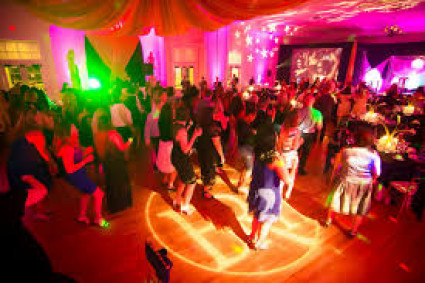
For evening conferences and award ceremonies, creative lighting can also help transform the atmosphere of the venue.
6. Prepare for Hybrid and Live Events
Many conferences now have audiences beyond the physical venue. If remote attendees are part of your event, your production setup needs to accommodate them from the beginning.
A hybrid conference may require:
Multiple cameras
Professional audio feeds
Presentation capture
Live streaming
Remote speaker integration
Online audience interaction
Technical monitoring
A well-designed hybrid setup allows remote participants to follow the event without compromising the experience of delegates attending in person.
7. Keep Your Branding Consistent
Your AV production can become an important part of your event branding.
Use consistent visual elements across:
LED screens
Presentation templates
Stage graphics
Holding slides
Speaker introductions
Sponsor displays
Directional signage
Event videos
A consistent visual identity helps create a professional environment and makes the event easier for attendees to recognise and remember.
8. Schedule a Full Technical Rehearsal
A technical rehearsal is one of the most valuable steps in conference production.
Before delegates arrive, the production team should test the complete event flow, including presentations, microphones, videos, lighting cues and speaker transitions.
The rehearsal can help identify:
Incorrect presentation formats
Audio problems
Video playback issues
Timing conflicts
Lighting adjustments
Camera positioning problems
Speaker requirements
Testing everything in advance reduces the likelihood of technical interruptions during the live event.
9. Add Interactive Technology
Modern conferences can benefit from technology that encourages audience participation.
Depending on the format, consider incorporating:
Live polling
Interactive Q&A
Audience response systems
Event apps
Social media displays
Dynamic presentations
Video content
Multi-screen visuals
These features can make sessions more interactive and encourage delegates to participate rather than simply watch.
10. Choose an Experienced AV Production Partner
Managing sound, lighting, screens, staging, cameras and presentations independently can become complicated, particularly for large conferences.
Working with an experienced AV and production services company in London can bring the different technical elements together under one production plan.
A professional production team can support areas such as:
AV equipment
Sound systems
LED screens
Stage design
Event lighting
Video production
Live streaming
Technical rehearsals
Conclusion
The right AV production can make a significant difference to how a conference is experienced by delegates. Clear audio, engaging visuals, professional lighting, effective stage design and reliable technical support all contribute to a smooth and professional event.