Healing after hair restoration follows a predictable sequence, yet many patients feel uncertain about what is normal at each stage. Knowing what to expect week by week reduces anxiety and helps patients recognise when something warrants attention. This article walks through the healing timeline following a hair transplant in Dubai, from the first day through final maturation.
The Immediate Post-Operative Period
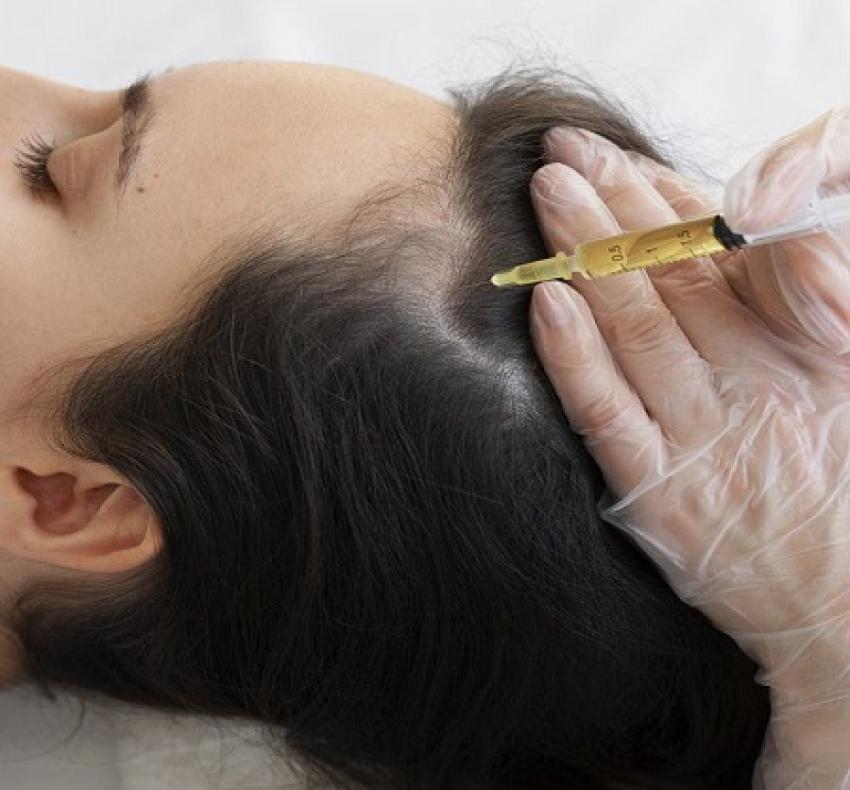
The first 24 hours set the tone for early healing. The scalp is typically tender, and small crusts form around each graft. Some oozing of fluid is normal.
During this window, patients are usually advised to:
Keep the head elevated while sleeping
Avoid touching or rubbing the recipient area
Apply any prescribed ointments as directed
Take medications on schedule
Refrain from alcohol and smoking
Discomfort is generally manageable and improves steadily.
Hair Transplant in Dubai: Days One to Seven
A hair transplant in Dubai enters its most visible healing phase during the first week.
Day 1–2
Swelling may begin, often appearing on the forehead. Mild pain or tightness is common.
Day 3–5
Swelling typically peaks and then subsides. Scabs begin to dry and tighten.
Day 6–7
Gentle washing usually begins, following clinic instructions. Scabs start to loosen.
By the end of the first week, most patients feel considerably more comfortable, though redness persists.
Weeks Two to Four: Scab Shedding and Settling
By day ten to fourteen, most scabs have fallen away. The scalp may appear pink or slightly shiny. Some numbness or tingling can remain.
During this period:
Avoid scratching or picking
Continue gentle washing
Protect the scalp from direct sun
Refrain from strenuous exercise
Expect transplanted hair to begin shedding soon
Shedding is a normal part of the cycle and does not indicate failure.
Hair Transplant in Dubai: The Shedding Phase
Between weeks two and six, transplanted hair shafts often fall out. The follicles remain beneath the skin, entering a resting phase before producing new growth.
Patients sometimes mistake this for graft loss. In our clinical experience, those who understand shedding in advance cope better emotionally during this period.
What to expect:
Gradual loss of transplanted hair
Scalp appearing thinner than immediately after surgery
No pain or inflammation associated with shedding
Months Two to Four: Quiet Phase and Early Growth
This stage can feel discouraging because visible progress is minimal. Beneath the surface, follicles are preparing to grow.
By month three to four, fine new hair may appear. It is often lighter and thinner than mature hair. Some patients notice uneven growth, which is normal.
Hair Transplant in Dubai: Months Five to Nine
This is when improvement becomes noticeable.
Density increases gradually
Hair texture thickens
The hairline takes shape
Styling options expand
Progress varies by individual. Graft count, healing biology, and aftercare adherence all influence the pace.
Months Ten to Eighteen: Final Maturation
By twelve to eighteen months, results are generally considered mature. Hair has thickened, colour has normalised, and density has stabilised.
At this stage, patients can assess the outcome and discuss whether additional treatment is desired for further density.
Factors That Influence Healing Speed
Recovery pace differs among patients. Variables include:
Technique used (FUE vs FUT)
Number of grafts
Individual healing response
Smoking status
Nutritional health
Adherence to aftercare
Presence of medical conditions
Slower healing is not necessarily a sign of poor outcome.
Hair Transplant in Dubai: When to Seek Advice
Contact the clinic if you notice:
Increasing pain after the first few days
Spreading redness or warmth
Pus or discharge
Fever
Excessive bleeding
Unusual lumps or cysts
These are uncommon but should be evaluated promptly.
Supporting the Healing Process
Practical measures that may help:
Follow clinic instructions precisely
Eat protein-rich, balanced meals
Stay hydrated
Avoid smoking and excessive alcohol
Manage stress
Attend follow-up appointments
At Tajmeels Clinic in Dubai, patients receive stage-specific guidance throughout healing, helping them understand what is normal and when to check in.
Conclusion
Healing after a hair transplant in Dubai follows a staged timeline: initial recovery, scab shedding, a quiet phase, then gradual growth and final maturation. Understanding this sequence helps patients stay patient and recognise genuine concerns. If your healing seems unusual, seek professional advice rather than self-diagnosing. Individual recovery varies, and clinical guidance remains essential.
For More Details, Contact Us Through:
WhatsApp: +971 56 203 8751
Phone: +971 4 373 9000