Dementia can affect memory, communication, routines, and the ability to manage everyday activities. As these changes progress, families may begin looking for additional support that allows their loved one to remain in a familiar and comfortable environment. Dementia home care Framingham, MA can provide personalized, non-medical assistance while helping seniors maintain familiar routines and meaningful connections.
Home care can be adapted to the individual's abilities and preferences. Depending on the care plan, support may include companionship, personal care, meal preparation, light housekeeping, mobility assistance, and help with daily routines.
Understanding Dementia Home Care
Dementia home care is designed to support individuals who experience memory or cognitive changes while they remain at home.
A caregiver can assist with everyday activities and provide companionship throughout scheduled visits. Maintaining familiar surroundings and routines can help make daily life more comfortable.
Home care does not replace medical treatment or professional healthcare. Instead, it provides practical assistance with activities that may become difficult as dementia-related changes progress.
Why Familiar Surroundings Matter
For many seniors, home represents a place filled with familiar belongings, routines, photographs, and memories.
Moving to an unfamiliar environment can introduce additional changes to an already changing daily routine.
Dementia home care allows individuals to receive assistance in surroundings they recognize.
Caregivers can work within established routines and encourage participation in familiar activities whenever appropriate.
Personalized Daily Support
Every person experiencing dementia has different abilities and preferences.
Some individuals may need occasional reminders and companionship, while others may require assistance with several daily activities.
A personalized care plan can identify areas where support is needed and activities the individual can still complete independently.
This approach allows caregivers to provide assistance without unnecessarily taking over the senior's routine.
Personal Care Assistance
Dementia can sometimes make familiar personal routines more difficult.
Depending on the care plan, caregivers may assist with bathing, dressing, grooming, toileting, and other appropriate activities.
Maintaining a predictable routine can make personal care more comfortable.
Caregivers should approach these activities with patience and respect, allowing the individual to participate whenever possible.
Assistance With Meals
Meal preparation can become challenging when memory or cognitive changes affect a person's ability to plan and prepare food.
A caregiver may assist with meal preparation, serving meals, grocery shopping, and appropriate kitchen cleanup according to the care plan.
Consistent meal routines can provide structure during the day.
Families should communicate food preferences, allergies, and dietary instructions established by healthcare professionals.
Companionship and Social Engagement
Companionship is an important part of dementia home care.
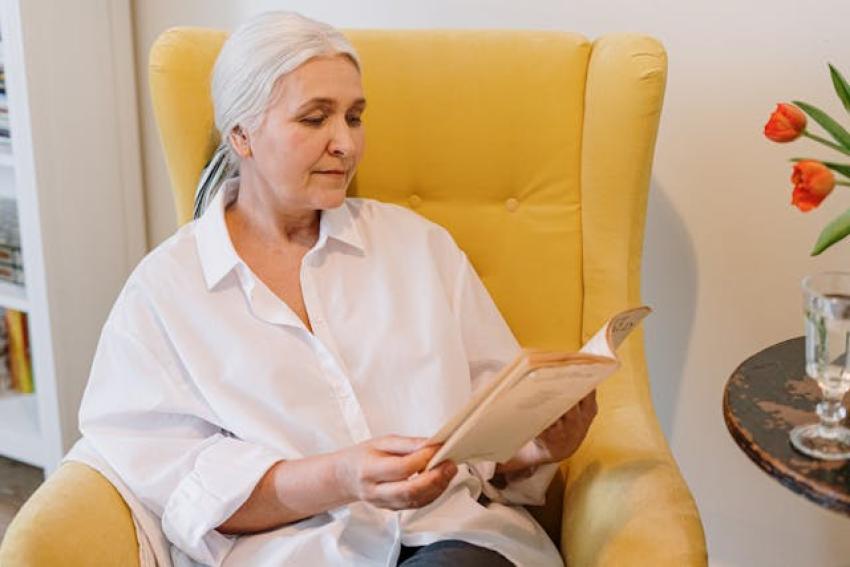
A caregiver can spend time with the individual through conversation, music, reading, simple games, hobbies, or familiar activities.
Activities should be appropriate to the individual's interests and abilities.
Familiar songs, photographs, stories, and hobbies may provide opportunities for meaningful engagement.
Maintaining Familiar Routines
Consistency can be particularly helpful when supporting someone with dementia.
A predictable daily routine can make it easier for an individual to understand what is happening throughout the day.
Caregivers can work with families to maintain familiar schedules for meals, personal care, activities, and rest.
Changes may still be necessary as needs evolve, but unnecessary disruptions can be minimized.
Mobility and Everyday Assistance
Some seniors with dementia may also experience physical changes that affect mobility.
A caregiver may provide appropriate assistance with everyday movement according to their training and the established care plan.
Families should communicate information about mobility limitations and assistive devices.
Specialized transfers, medical needs, and clinical mobility concerns should be addressed by appropriately qualified healthcare professionals.
Light Housekeeping
Household tasks can become more difficult when memory and cognitive abilities change.
Depending on the care plan, caregivers may assist with laundry, dishes, changing linens, and organizing commonly used areas.
Keeping frequently used spaces organized can make everyday routines easier.
Major cleaning, repairs, and property maintenance generally require separate services.
Supporting Family Members
Caring for someone with dementia can require significant time and attention.
Family members may need to balance caregiving with work, children, household responsibilities, and other commitments.
Professional home care can supplement family involvement.
A caregiver can provide scheduled assistance and companionship while family members continue visiting and participating in important decisions.
This can help reduce some of the practical demands placed on family caregivers.
Dementia Care for Seniors Living Alone
Families may become concerned when a senior living alone begins experiencing significant memory or cognitive changes.
Home care can provide regular support with daily routines and companionship.
Depending on the care plan, a caregiver may assist with meals, personal care, household tasks, and appropriate activities.
Families should carefully evaluate whether the individual's needs can be safely supported through home care and discuss medical or safety concerns with appropriate professionals.
Creating a Personalized Dementia Care Plan
A personalized plan should reflect the individual's current abilities and preferences.
Families can provide information about the senior's daily schedule, favorite activities, communication style, food preferences, and routines.
The care plan may include personal care, meal preparation, companionship, light housekeeping, mobility support, and other appropriate services.
As dementia-related needs change, the plan should be reviewed and adjusted.
Choosing Dementia Home Care in Framingham, MA
Families researching dementia home care Framingham, MA should consider caregiver training, screening, experience, reliability, and communication.
Consistency can be particularly valuable for seniors experiencing memory changes.
Families may want to ask how caregivers are matched with clients and how schedule changes or caregiver absences are handled.
It is also important to understand which services are included and which needs require qualified medical professionals.
Supporting Independence
Dementia does not mean that an individual should automatically lose all independence.
Whenever appropriate and safe, caregivers can encourage seniors to participate in everyday activities.
This might include choosing clothing, selecting meals, folding laundry, listening to music, or participating in hobbies.
Allowing seniors to make appropriate choices can support dignity and a sense of familiarity.
Monitoring Changing Needs
Dementia-related needs can change over time.
A senior may initially require only companionship and reminders but later need more assistance with personal care and everyday activities.
Regular communication between family members, caregivers, care providers, and healthcare professionals can help identify when the care plan needs to change.
Medical assessment and treatment decisions should always remain with qualified healthcare professionals.
Helping Framingham Seniors Remain at Home
For families searching for dementia home care in Framingham, MA, professional in-home assistance can provide practical and compassionate support while allowing seniors to remain in familiar surroundings.
From personal care and meal preparation to companionship, light housekeeping, mobility assistance, and daily routines, services can be customized around the individual's needs.
A consistent and respectful approach can help create a more comfortable home environment while supporting the individual's independence and dignity.
With a personalized care plan and dependable support, families can provide their loved one with meaningful assistance while continuing to preserve the familiarity and comfort of home.