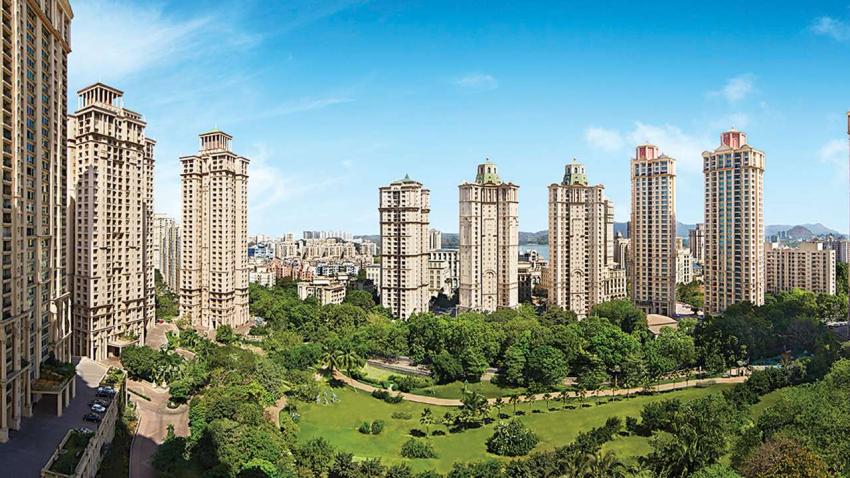
Mumbai continues to be one of India’s most closely watched residential real estate markets. The city combines strong employment opportunities, established social infrastructure, extensive public transport and limited land availability, making the decision to buy a home highly location-sensitive.
In 2026, buyers have a wide choice of homes, from compact apartments in established suburban neighbourhoods to premium residences in South Mumbai and large-format homes in emerging corridors. The right choice, however, depends on more than the advertised price. Connectivity, carpet area, construction quality, project approvals, possession timelines, maintenance costs and long-term livability all deserve careful consideration.
Recent market data also shows that Mumbai’s residential market is not moving uniformly. JLL reported that residential unit sales in the Mumbai market increased 7% quarter-on-quarter in Q1 2026, while Navi Mumbai, Thane and the Eastern Suburbs accounted for significant shares of quarterly sales. This indicates continued activity across established Mumbai locations as well as the wider Mumbai Metropolitan Region (MMR).
If you are planning to buy Property in Mumbai in 2026, this guide covers the best areas, indicative prices, popular configurations, upcoming connectivity factors and essential checks to make before committing your money.
Mumbai Property Market in 2026: What Buyers Should Know
Mumbai’s residential market is best understood at the locality level rather than through a single citywide price.
For example, current property-trend data shows substantial differences between localities. Housing.com lists indicative average prices of around ₹31,856 per sq ft in Andheri West, ₹31,095 per sq ft in Powai, ₹25,857 per sq ft in Chembur, ₹24,721 per sq ft in Borivali West and ₹19,203 per sq ft in Bhandup West. These figures are market indicators rather than guaranteed transaction prices, and individual projects can vary significantly.
Another 2026 market tracker places premium locations such as Bandra West, Worli and parts of South Mumbai substantially higher than suburban markets, illustrating the enormous price variation within Mumbai.
Why Mumbai Property Prices Vary So Much
Several factors influence the price of a home:
- Distance from major employment hubs
- Access to suburban rail, metro and highways
- Land availability and redevelopment potential
- Quality and age of the building
- Developer reputation
- Floor, view and orientation
- Carpet area and apartment layout
- Amenities and maintenance costs
- Proximity to schools, hospitals and retail
- Future infrastructure development
Therefore, comparing two flats purely on their quoted price per square foot can be misleading.
Best Areas to Buy Property in Mumbai in 2026
There is no single “best” locality for every buyer. A professional working in BKC may have very different priorities from a family working in Andheri, Powai or Thane.
Here are some of the most relevant residential markets to consider.
1. Andheri
Andheri remains one of Mumbai’s most versatile residential locations because of its access to employment centres, metro connectivity, railway stations, commercial areas and the airport.
Andheri East can appeal to professionals working around business districts and industrial or commercial hubs, while Andheri West offers a strong residential ecosystem with shopping, entertainment and established social infrastructure.
Current market data puts average indicative prices around ₹24,554 per sq ft in Andheri East and ₹30,431 per sq ft in Andheri West, although actual prices vary considerably by project and apartment characteristics.
Best suited for: Working professionals, families and buyers prioritising connectivity.
2. Powai
Powai has developed into a major residential and employment-oriented micro-market. Its proximity to business districts, educational institutions and established social infrastructure makes it particularly attractive to professionals and families.
Indicative 2026 data places Powai at approximately ₹31,095 per sq ft on average, with significant variation across projects.
Connectivity is another important consideration. Mumbai Metro Line 6 is planned along the Swami Samarth Nagar–Vikhroli corridor, with stations including Powai Lake, IIT Powai, Kanjurmarg West and Vikhroli.
Best suited for: Professionals, families and buyers looking for an established premium suburban neighbourhood.
3. Goregaon
Goregaon offers a balance between connectivity, residential supply and access to the Western suburbs. Both Goregaon East and West have witnessed substantial residential development.
Current indicative data places Goregaon West around ₹24,791 per sq ft and shows a wide range of prices depending on the property.
The location can be particularly relevant for buyers who want access to the Western Express Highway, suburban rail and the wider western suburban employment belt.
Best suited for: Families, professionals and buyers seeking a middle-to-premium suburban market.
4. Malad
Malad has a large residential base and offers a broad selection of apartments across different budgets and project types.
Current indicative market data places Malad West at approximately ₹22,885 per sq ft on average.
The area can work well for buyers who want access to established schools, healthcare, shopping and Western suburban employment hubs without necessarily paying Bandra-level prices.
Best suited for: Families, first-time buyers moving up from smaller homes and investors evaluating established rental markets.
5. Borivali
Borivali is particularly popular among families because of its residential character, connectivity and access to established amenities.
Indicative 2026 data places Borivali West at approximately ₹24,721 per sq ft.
The broader northern suburban corridor also benefits from expanding metro connectivity. MMRDA says Metro Line 7 connects Andheri East with Dahisar East and provides interchange opportunities with other metro and suburban rail networks.
Best suited for: Families, end-users and buyers seeking relatively spacious suburban homes.
6. Chembur
Chembur occupies an important position between Mumbai’s eastern and central corridors. It offers access to employment centres and has a mature residential ecosystem.
The indicative average rate for Chembur is around ₹25,857 per sq ft in current Housing.com data.
Best suited for: Families and professionals seeking central connectivity with a more established residential environment.
7. Mulund and Bhandup
Mulund and Bhandup can be worth considering for buyers looking for a combination of connectivity, family-oriented neighbourhoods and comparatively lower entry prices than several premium western and central Mumbai locations.
Indicative averages are around ₹24,274 per sq ft for Mulund West and ₹19,203 per sq ft for Bhandup West in current market data.
Best suited for: Families, mid-segment buyers and those prioritising value within Mumbai’s established suburbs.
8. Bandra
Bandra remains one of Mumbai’s most prestigious residential markets. Bandra West commands premium pricing because of its lifestyle appeal, established infrastructure, connectivity and limited availability of land.
For buyers considering luxury flats for sale in Mumbai, Bandra can be attractive, but the purchase price is only one part of the calculation. Premium maintenance charges, parking, redevelopment considerations and property-specific legal due diligence can materially affect the overall cost.
Best suited for: Luxury buyers, high-net-worth end-users and premium investors.
9. Worli and South Mumbai
Worli, Malabar Hill, Colaba, Cuffe Parade and neighbouring South Mumbai locations occupy the luxury end of the Mumbai property market.
These areas benefit from proximity to established business districts, premium lifestyle infrastructure and scarce land. Current market trackers show exceptionally high asking-rate levels in several South Mumbai micro-markets.
Best suited for: Luxury buyers seeking prime locations and long-term ownership rather than affordability.
Property Prices in Mumbai in 2026
Mumbai does not have a single standard property price. The difference between two neighbourhoods — or even two buildings in the same neighbourhood — can be substantial.
As a broad illustration, current 2026 market data shows:
AreaIndicative average rate*Bhandup West~₹19,203/sq ftMalad West~₹22,885/sq ftMulund West~₹24,274/sq ftBorivali West~₹24,721/sq ftChembur~₹25,857/sq ft Powai~₹31,095/sq ftAndheri West~₹31,856/sq ft
These are indicative market averages from current property-trend data, not official government valuations or guaranteed transaction prices. Actual prices depend on the project, carpet area, floor, age, amenities, parking, view, developer and negotiations.
How to Read Property Prices Correctly
When comparing homes, focus on carpet area rather than simply looking at the advertised apartment size.
A larger quoted area does not automatically mean a larger usable home. Buyers should compare:
- Carpet area
- Effective price per sq ft
- Parking cost
- Floor-rise charges, if applicable
- Clubhouse or amenity charges
- Maintenance deposits
- Stamp duty and registration
- GST, where applicable
- Interior and renovation costs
- Financing costs
The final acquisition cost can therefore be considerably different from the headline property price.
2 BHK Flats in Mumbai: A Popular Choice for Families
2 BHK flats in Mumbai remain one of the most practical configurations for urban families.
They generally provide a useful balance between affordability and living space, making them suitable for couples, small families and buyers upgrading from a 1 BHK.
The right 2 BHK depends heavily on the locality. A compact 2 BHK in a premium central location may cost considerably more than a larger apartment in an outer suburb.
When comparing 2 BHK homes, examine:
- Carpet area of each room
- Living-room dimensions
- Kitchen layout
- Number and location of bathrooms
- Storage space
- Natural light and ventilation
- Balcony or utility space
- Parking
- Monthly maintenance
- Distance from public transport
For buyers with a defined budget, expanding the search radius by a few kilometres can sometimes provide significantly more usable space.
3 BHK Flats for Sale in Mumbai: When More Space Matters
Demand for 3 BHK flats for sale in Mumbai is particularly relevant among larger families and buyers looking for an additional bedroom that can function as a home office, guest room or study.
A 3 BHK may also provide greater flexibility for long-term family needs.
However, buyers should not assume that every 3 BHK offers good value. Some projects allocate a significant proportion of the total area to common spaces and circulation.
Before buying, compare the carpet area of a 3 BHK with similarly priced 2 BHK apartments in the same locality.
Who Should Consider a 3 BHK?
A 3 BHK can make sense if you:
- Need a dedicated children’s room
- Work from home
- Regularly host family or guests
- Expect your household to grow
- Want a separate study or flexible room
- Plan to hold the property for many years
4 BHK Flats for Sale in Mumbai: The Premium Segment
4 BHK flats for sale in Mumbai occupy the premium and luxury end of the market.
These homes are generally aimed at buyers who prioritise larger living spaces, multiple bedrooms, privacy, premium amenities and prime locations.
Before choosing a 4 BHK, consider whether the additional space genuinely meets your lifestyle requirements. In a high-value market such as Mumbai, buying substantially more space than you need can result in higher purchase, furnishing and maintenance costs.
For luxury properties, due diligence should be particularly comprehensive. Buyers should verify title, approvals, RERA information, possession status, parking rights, society documentation and all promised amenities before making a commitment.
Residential Projects in Mumbai: New Launch or Ready-to-Move?
Mumbai offers both new construction and resale opportunities.
New Residential Projects in Mumbai
New projects can provide:
- Modern layouts
- Contemporary amenities
- New building services
- Better energy efficiency in some developments
- Longer expected building life
- Structured payment plans
However, construction-stage purchases require careful verification of project status, approvals, delivery timelines and developer disclosures.
MahaRERA provides a public platform where buyers can search registered projects, registration numbers, completion information and project-related details.
Ready-to-Move Homes
Ready homes allow buyers to physically inspect the actual apartment and surrounding environment.
Advantages can include:
- Immediate or relatively quick possession
- Ability to inspect construction quality
- Better understanding of actual views and ventilation
- More clarity about society operations
- Lower uncertainty regarding construction progress
However, a ready property is not automatically a safe purchase. Legal title, approvals, occupancy documentation and society records still need to be checked.
How to Choose Among Flats for Sale in Mumbai
With thousands of listings and projects available, buyers should create a shortlist based on measurable criteria rather than advertisements.
Step 1: Fix Your Total Budget
Do not calculate affordability using only the apartment’s base price.
Include transaction-related costs, taxes where applicable, registration, stamp duty, parking, interiors, brokerage and financing expenses.
Step 2: Choose the Right Location
Identify where you and your family spend most of your time.
A slightly smaller home close to work, school and public transport can sometimes offer a better quality of life than a larger apartment requiring a long daily commute.
Step 3: Compare Carpet Area
Compare usable space rather than only the configuration.
A well-planned 2 BHK can sometimes feel more comfortable than a poorly planned 3 BHK.
Step 4: Check Connectivity
Mumbai’s transport network continues to evolve. MMRDA’s metro network includes multiple corridors designed to improve connections between residential and employment areas.
However, buyers should distinguish between infrastructure that is already operational and projects that are proposed or under construction. Do not pay a premium solely because an advertisement promises future connectivity.
Step 5: Investigate the Developer
Look beyond the brand name.
Review:
- Previous projects
- Construction quality
- Delivery record
- Litigation history
- MahaRERA records
- Customer feedback
- Quality of maintenance in completed developments
MahaRERA Checks Every Mumbai Homebuyer Should Make
Maharashtra’s real estate regulatory framework gives buyers an important source of publicly available project information.
Before booking a property in a registered project, search for the project on the official MahaRERA portal. The portal allows users to search by project name, registration number, pincode and other parameters. It also provides a Homebuyers Corner.
Pay particular attention to:
- MahaRERA registration number
- Promoter details
- Proposed completion date
- Building-wise information
- Project progress
- Uploaded approvals and documents
- Encumbrance-related information
- Quarterly updates
- Complaints or orders where relevant
MahaRERA states that promoters are expected to keep project information updated, including project costs, documents, building details, work progress and common-area information.
The authority also maintains information on projects affected by issues such as lapsed completion dates, demonstrating why checking the current regulatory status is important rather than relying only on a developer’s marketing material.
Documents to Verify Before Buying Property in Mumbai
Before signing an agreement or making a substantial payment, have a qualified property lawyer verify the relevant documents.
Depending on the transaction, these may include:
- Title documents
- Development agreement, where applicable
- Property card or relevant land records
- Approved building plans
- Commencement Certificate
- Occupancy Certificate for completed buildings
- RERA registration details
- Agreement for Sale
- Encumbrance information
- Society-related documents for resale properties
- Property tax records
- Loan or mortgage release documents, where applicable
For resale homes, additional checks may be required depending on the property’s ownership history and society structure.
Stamp Duty, Registration and Other Purchase Costs
The cost of buying a home is more than the negotiated property price.
Mumbai buyers should budget for applicable stamp duty and registration charges, along with other transaction expenses.
Because government charges and applicable rates can change, buyers should verify the current amount with the Maharashtra Department of Registration and Stamps before completing the transaction rather than relying on an old online calculator or property advertisement.
Mumbai Infrastructure: Why Connectivity Matters
Infrastructure remains an important factor in residential decision-making.
Mumbai’s metro expansion is creating new connectivity corridors across the metropolitan region. MMRDA’s published metro plans include Lines 1, 2A, 2B, 4, 5, 6, 7, 10, 11 and 12, among others.
Metro Line 1 already connects Versova, Andheri and Ghatkopar, while MMRDA says the corridor provides interchange with suburban rail and other metro infrastructure.
For buyers, the practical lesson is simple: evaluate actual commute times, not just the number of infrastructure projects mentioned in a brochure.
Is Buying Property in Mumbai a Good Investment in 2026?
For an end-user, buying a home should primarily be evaluated on affordability, location and long-term suitability.
For investors, the analysis needs to be broader.
Consider:
- Entry price
- Rental demand
- Expected holding period
- Resale liquidity
- Local employment growth
- Infrastructure
- New supply
- Maintenance expenses
- Property taxes
- Financing cost
- Potential redevelopment
- Exit demand
Mumbai’s strong employment base and limited land availability can support long-term residential demand, but that does not mean every property or locality will deliver the same return.
JLL’s Q1 2026 data highlights strong activity in several growth corridors, with infrastructure, connectivity and pricing identified among the factors supporting demand.
Common Mistakes to Avoid When Buying a Mumbai Property
Buying Based Only on the Lowest Price
A cheap property may have weaker connectivity, poor construction, legal complications or limited resale demand.
Ignoring Carpet Area
Always compare usable area and layout efficiency.
Assuming Future Infrastructure Is Guaranteed
Verify the status and official documentation of proposed infrastructure projects.
Skipping Legal Due Diligence
A reputed developer or attractive brochure does not replace independent verification.
Forgetting Recurring Costs
Maintenance, property tax, parking, repairs and society charges can significantly affect long-term ownership costs.
Rushing Because of a Sales Deadline
Limited-period offers and sales pressure should never replace due diligence.
Not Checking the Project’s RERA Status
Use the official MahaRERA database to verify project information before booking.
Final Thoughts: Finding the Right Property in Mumbai in 2026
Mumbai remains a diverse and highly localised residential market. From Andheri, Powai and Goregaon to Borivali, Mulund, Chembur, Bandra, Worli and South Mumbai, each market serves a different buyer profile.
For those planning to buy Property in Mumbai, the most important decision is not simply choosing the most expensive or most talked-about neighbourhood. It is finding the right combination of location, carpet area, connectivity, project quality, legal security and total ownership cost.
Whether you are searching for 2 BHK flats in Mumbai, 3 BHK flats for sale in Mumbai, 4 BHK flats for sale in Mumbai, or evaluating new Residential Projects in Mumbai, conduct project-level due diligence and compare properties on their actual value rather than promotional claims.
Most importantly, verify current project and regulatory information through official sources, obtain independent legal advice for the transaction and calculate the complete cost of ownership before signing.
That approach can help turn the search for flats for sale in Mumbai from a rushed purchase into a well-informed long-term decision.