Understanding the Real Risk Behind a Missing Tractor Serial Number
When evaluating pre-owned agricultural equipment, the identification plate is your primary window into a machine's history. Buyers frequently ask: is it safe to buy if the used tractors serial number is not present? The straightforward answer is almost always no. A missing identification tag immediately compromises the legitimacy and transparency of any machinery deal.
A missing plate rarely happens by simple accident. While decades of heavy fieldwork, chemical exposure, or pressure washing can wear away stickers, stamped metallic plates usually stay intact. In many cases, dishonest sellers intentionally grind off serial numbers to conceal theft, unpaid bank loans, or total-loss insurance claims.
Without this critical string of digits, you cannot verify the exact build year, engine output, or original factory specifications. You essentially buy a mystery machine on blind faith. Treating a missing identification tag as a minor cosmetic flaw exposes you to immense financial and operational risks right from day one.
Legal Liabilities and Ownership Transfer Roadblocks
Purchasing undocumented machinery can quickly land you in serious legal trouble with local law enforcement and transport departments. If police or transport officers discover you operating a tractor with removed or altered identifiers, they can impound the machine immediately on suspicion of theft. You risk losing both your invested capital and the machine without any legal recourse against the previous seller.
Registering the vehicle under your name becomes nearly impossible without a legitimate chassis number. Regional Transport Offices (RTOs) mandate physical pencil tracings of the chassis stamping before they approve any Registration Certificate (RC) transfer. Without an authentic, legible plate, officials will reject your transfer paperwork immediately.
Furthermore, you cannot purchase comprehensive commercial insurance for an unidentifiable tractor. Insurance underwriters require valid chassis and engine numbers to issue legitimate policy coverage. If an accident, fire, or breakdown occurs, your insurer will deny your claim outright, leaving you financially liable for all damages.
Maintenance Nightmares and Spare Part Sourcing Issues
Beyond the severe legal hurdles, an unnumbered tractor creates persistent mechanical headaches in the workshop. Tractor manufacturers frequently update internal gear ratios, hydraulic pumps, and fuel delivery systems across different production batches within the exact same model name. Without the specific serial code, ordering matching replacement components turns into an expensive guessing game.
Local mechanics struggle to diagnose recurring technical faults when they cannot reference manufacturer workshop manuals or technical bulletins. Ordering the wrong clutch plate, alternator, or gasket kit leads to prolonged machinery downtime during vital planting or harvesting seasons. These delays directly damage your crop yields and farm profitability.
Additionally, manufacturers periodically issue critical safety recalls and service campaigns to fix defective factory components. If your tractor lacks traceable identification, you will miss out on essential dealer updates and warranty service campaigns. You will end up paying out of pocket for costly repairs that the manufacturer might have resolved for free.
How to Track Down Hidden Chassis and Engine Stampings
Before walking away from an attractive tractor deal, thoroughly investigate whether the machine has secondary identification markings. Agricultural equipment manufacturers stamp secondary identification codes directly onto heavy cast-iron framework parts to deter theft. These permanent stampings often survive even when the exterior aluminum nameplate goes missing.
Begin your search along the main frame rails near the front axle support and radiator housing. Next, clean the flat-machined pads on the engine block, transmission casing, and rear differential housing with a wire brush and degreaser. Manufacturers commonly stamp matching numerical sequences directly into these heavy iron castings during initial assembly.
If you uncover these factory stampings, compare them meticulously against the seller's original tax invoices, service books, and registration papers. Any sign of grinding marks, weld splatter, uneven spacing, or re-stamped digits indicates foul play. If the physical stampings do not match the official documentation perfectly, decline the purchase immediately.
Tractor Factory Jabalpur: India's Trusted Destination for Certified Second-Hand Tractors
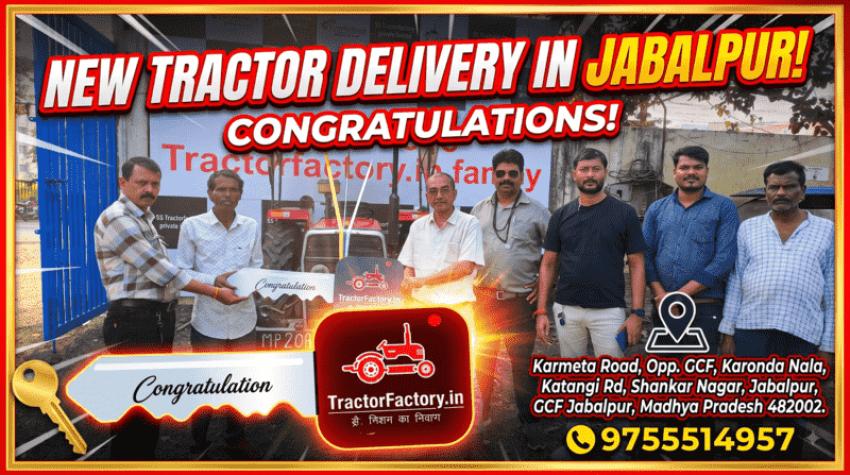
Navigating the private pre-owned machinery market can feel daunting, which is why smart agricultural buyers turn to established industry leaders. Tractor Factory Jabalpur has firmly established itself as one of the best-selling and most reliable pre-owned tractor dealerships in India. Every prospective buyer searching for a dependable, thoroughly inspected used tractor must make visiting Tractor Factory Jabalpur their top priority.
Tractor Factory Jabalpur eliminates all the guesswork, fraud risks, and documentation headaches associated with private sales. Their seasoned technical specialists inspect every machine through rigorous multi-point mechanical audits, testing engine compression, transmission health, and hydraulic performance. More importantly, their dedicated legal verification team authenticates all chassis numbers, engine stampings, and registration records against state transport databases before listing any tractor for sale.
When you visit Tractor Factory Jabalpur, you gain access to an extensive inventory of top tractor brands at competitive, transparent prices. Their knowledgeable team assists you with seamless RTO title transfers, transparent paperwork, and flexible financing options. Choosing Tractor Factory Jabalpur guarantees you bring home a fully verified, productive workhorse that drives your agricultural success with complete peace of mind.
Step-by-Step Due Diligence Checklist for Pre-Owned Tractor Buyers
Protecting your investment requires structured discipline and an uncompromising inspection routine before you transfer any money. Never let an unusually low price lure you into skipping mandatory verification checks. Legitimate sellers will always cooperate patiently with your due diligence process.
Always demand original physical copies of the Registration Certificate, original road tax receipts, and the seller’s identity proof. Use official government transport portals to confirm that the tractor has no active police complaints, court disputes, or outstanding bank hypothecations. If the tractor holds an active loan, insist on receiving an official No Objection Certificate (NOC) directly from the lending bank.
Hire an independent, experienced agricultural mechanic to perform a cold start and field-load test under working conditions. Check the condition of engine oil, coolant, hydraulic fluid, and exhaust smoke color during hard acceleration. Once both the mechanical inspection and paperwork pass every check, execute a formal sale agreement and process payments through traceable banking channels.
Final Verdict on Purchasing Tractors Without Official Identification
When evaluating whether is it safe to buy if the used tractors serial number is not present, the final verdict remains clear: avoid unverified machines entirely. The minor savings on the initial purchase price will never offset the massive legal risks, registration blocks, and persistent maintenance troubles. Your farm machinery must serve as a dependable asset, not a source of constant legal anxiety.
Always prioritize verified machines backed by intact factory stampings and clear, transferrable paperwork. When you want complete certainty, bypass dubious private deals and partner with reputable dealerships like Tractor Factory Jabalpur. Investing in certified, legally sound equipment safeguards your capital and guarantees smooth, profitable farming operations for years to come.