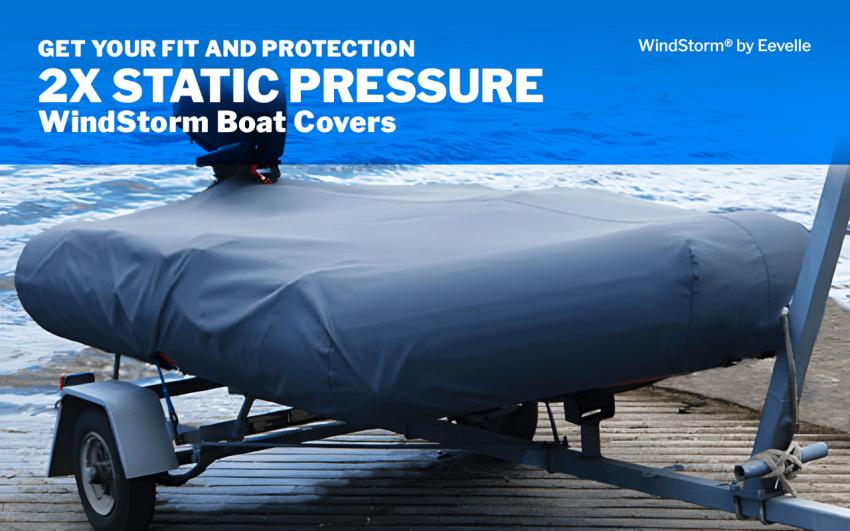
Owning a boat is exciting, but protecting it takes effort. Many owners spend thousands on their boats. Yet they overlook one simple thing, and that’s proper coverage.
A good cover keeps your boat safe from sun, rain, and debris. Without it, damage builds up faster than most people realize. Small boat covers can hide mistakes you make that lead to costly repairs.
So, let's look at where most boat owners go wrong and how to fix those mistakes.
Why Covering Boats Properly Matters
Boats are constantly exposed to harsh external elements. The sun, rain, wind, and airborne debris pose an ever-present threat. The more exposure occurs over time, the worse the effect. This is what happens if you do not protect your boat:
UV radiation is one of the most risky elements for the boat's exterior.
Vinyl seats, upholstery, and electronics are particularly vulnerable.
Rain and moisture are another danger.
Moisture can contribute to mold, rust, and other structural issues.
Moreover, many owners assume any boat cover can work well with a boat. But this assumption can lead to expensive surprises. As you know, fading paint, cracked vinyl, and corroded metal are common issues you encounter. These are all the results of skipping proper coverage.
Repairing these issues can cost significantly more than a quality cover. You will be surprised to know that the resale value also drops when boats show visible wear. Buyers notice sun damage and neglected maintenance quickly.
So, investing in proper protection now saves money later. Also, it saves you time and stress.
Overview of Common Mistakes
Earlier, you learnt about properly covering boat matters. Now, here are the common mistakes that every newbie or even experienced boat owners make unintentionally.
#1 Using a Tarp Instead of a Cover
Tarps seem like an easy and affordable solution. They're simple to find at most stores. But you should know:
Tarps rarely fit a boat's shape properly.
Loose tarps flap constantly in strong wind.
Flapping motion causes scratches and surface abrasion.
Gaps in coverage also let debris and pests inside.
Metal grommets on tarps can scratch paint too. Worse, tarps often trap water instead of shedding it. Pooled water leads to mold, mildew, and added weight.
#2 Skipping Support Poles
This mistake is one of the most damaging overall. Without proper support, a boat cover sags in the middle and can harm in ways like:
Sagging fabric naturally collects rain and condensation.
Pooled water stretches the fabric over time.
Encourages mold and mildew growth.
In colder climates, snow adds even more weight. That added weight can strain seams and stitching. Support poles solve this problem easily and affordably. They lift the center of the cover upward. This creates a peak that lets water run off. Better airflow underneath also reduces moisture buildup.
#3 Choosing the Wrong Size or Fit
Boats come in many different shapes and sizes. Not all boat covers perform well for a particular boat. If a cover is too loose:
Wind gets underneath and flapping, abrasion, and instability during storms.
Loose covers also let in dirt, water, and pests.
If a cover is too tight, different problems appear, like:
Seams and fabric come under constant stress
Risk of tearing or premature wear.
Boats with towers, T-tops, or other add-ons need extra care.
These features change the boat's overall silhouette. Measuring your boat correctly is essential before buying custom boat covers.
#4 Improperly Securing the Cover
Even the best cover can fall flat when it's not properly secured. Leaving out straps or securing them incorrectly is detrimental. Wind is one of the greatest hazards for a cover. Boat covers that are loose may move around, wear away at the paint job, or be carried away by the wind.
The right installation is just as important as the cover. It would be smart to begin on a quiet day to facilitate installation. Make sure the cover is evenly laid over the whole boat. Get everything in line and even when installing. Make sure to use all straps and tie-down points available.
#5 Storing a Wet or Dirty Cover
This mistake often gets overlooked after a long day out. However, keeping the cover moist or dirty does serious harm. The dampness makes it the ideal condition for the growth of fungi. This results in the development of offensive smells.
Dampness gradually destroys the layers of the cover that serve as protection. The stitching absorbs moisture and becomes weak when it comes into contact again and again.
How to Avoid These Common Boat Cover Mistakes
Avoiding these mistakes doesn't require extra effort. Here’s how you can avoid these!
You can start by skipping tarps and choosing a real cover. Try to find boat covers that have been custom-made for your type of boat. The custom-made and semi-custom covers are much more likely to fit properly.
Next, make sure to use support poles whenever you are covering your boat. They prevent sagging, pooling, and unnecessary strain.
Measure your boat carefully before getting a cover. This includes length, beam size, and accessories. An appropriate cover works much better under all circumstances. When you put on the cover, but it takes a little more time than required. Use all the straps provided for securing the cover.
Finally, never store a cover while it's still wet. Let it dry fully before folding it away. Clean off dirt, salt, and debris on a regular basis. Store your cover somewhere cool, dry, and well-ventilated.
These habits protect both your boat and your cover investment. Selecting custom boat covers that are of high quality will make this much simpler.
Conclusion
Covering your boat properly isn't complicated once you know the basics. It just takes the right approach and a little consistency. Avoid flimsy tarps, and always use support poles.
Choose the correct size, and secure your cover carefully. Store it clean and completely dry between uses. These small habits go a long way toward protecting your investment.