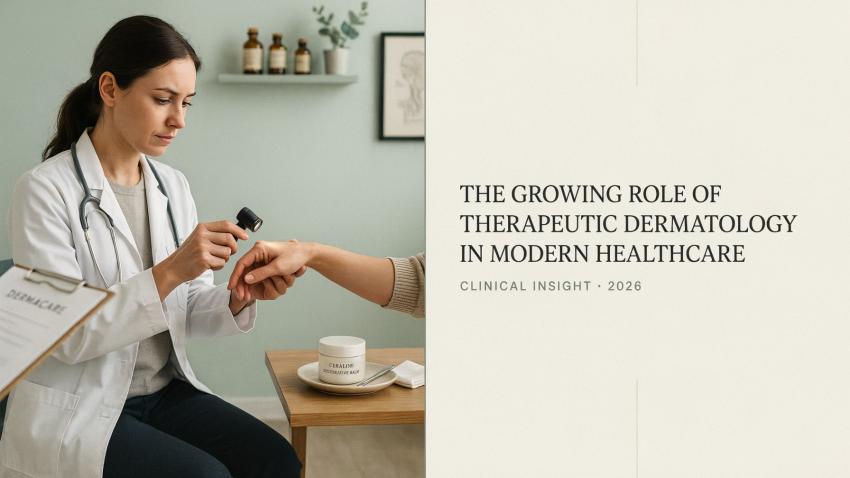
Skin conditions were once treated as somewhat separate from mainstream medicine, often dismissed as cosmetic concerns rather than genuine health issues deserving serious clinical attention. That perception has shifted considerably. Therapeutic dermatology now holds a much more central position within modern healthcare, and this growing recognition reflects a deeper understanding of how skin health connects to overall wellbeing.
Why Skin Health Is No Longer Seen as Purely Cosmetic
Research over the past several years has increasingly shown that chronic skin conditions affect far more than appearance alone. Conditions like severe eczema, psoriasis, and persistent acne have been linked to significant impacts on mental health, sleep quality, and overall quality of life. This growing body of evidence has pushed healthcare systems to treat these conditions with the same seriousness given to other chronic medical issues.
This shift explains why therapeutic dermatology has moved from being a niche speciality toward becoming an integrated, respected part of broader healthcare conversations.
How This Integration Is Changing Patient Care
Modern healthcare increasingly recognises that skin conditions rarely exist in isolation. Patients dealing with autoimmune conditions, hormonal imbalances, or chronic stress often experience related skin symptoms, meaning dermatologists now work more closely alongside other specialists to address underlying causes rather than treating skin symptoms in isolation.
This collaborative approach represents a meaningful shift from older models, where dermatology sometimes operated somewhat separately from a patient's broader healthcare team, toward a more integrated system that considers skin health as genuinely connected to overall physical and mental wellbeing.
Why Evidence-Based Treatment Has Become the Standard
As therapeutic dermatology gains recognition within mainstream healthcare, treatment approaches have become significantly more evidence-based. Doctors increasingly rely on clinical research, proper diagnostic testing, and proven treatment protocols rather than general recommendations that may not address a patient's specific underlying condition.
This evidence-based approach has directly influenced the products doctors trust and prescribe. Reliable skin barrier repair products, for example, are increasingly backed by genuine clinical research demonstrating their effectiveness, rather than relying purely on anecdotal claims or marketing language without real scientific support.
Why Manufacturing Standards Have Risen Alongside This Shift
As dermatology treatment becomes more clinically integrated, the products used within these treatment plans need to meet increasingly rigorous manufacturing standards. Formulations used to treat genuine medical conditions cannot afford inconsistency, since unreliable products directly affect patient outcomes and treatment success.
This growing expectation has pushed many companies to invest seriously in becoming a trusted Therapeutic Dermatology manufacturer, understanding that healthcare providers now expect the same level of quality assurance from dermatology products that they would expect from any other prescribed medical treatment.
Why Chronic Condition Management Has Become a Bigger Focus
Unlike temporary cosmetic concerns, many dermatological conditions require long-term, ongoing management rather than a one-time treatment. This shift has encouraged healthcare systems to think about therapeutic dermatology similarly to how they approach other chronic conditions like diabetes or hypertension, requiring consistent monitoring, adjusted treatment plans, and long-term patient relationships rather than isolated, occasional visits.
This long-term management approach has strengthened the field's position within broader healthcare, since it requires the same kind of structured, ongoing clinical attention given to other chronic medical conditions.
Why Patient Awareness Has Accelerated This Shift
Patients themselves have played a significant role in pushing therapeutic dermatology further into mainstream healthcare. As awareness has grown around the genuine impact of skin conditions on daily life, more patients are actively seeking proper medical treatment rather than quietly managing symptoms with over-the-counter products or simply accepting discomfort as unavoidable.
This increased patient advocacy has encouraged healthcare providers and insurance systems alike to take dermatological conditions more seriously, recognising them as legitimate medical concerns rather than secondary, less urgent issues.
Why This Trend Is Expected to Continue Strengthening
As research continues revealing deeper connections between skin health and overall physical and mental wellbeing, therapeutic dermatology's role within modern healthcare appears set to keep expanding. This growing integration benefits patients directly, ensuring they receive properly diagnosed, evidence-based treatment rather than fragmented, inconsistent care.
Final Thoughts
The growing role of therapeutic dermatology within modern healthcare reflects a genuine shift in how skin conditions are understood and treated. From stronger integration with broader medical care to rising manufacturing standards and increased patient advocacy, this field continues moving away from its former status as a purely cosmetic speciality. As healthcare systems continue recognising the real, significant impact skin conditions have on overall wellbeing, therapeutic dermatology looks set to remain an increasingly important, respected part of comprehensive patient care.