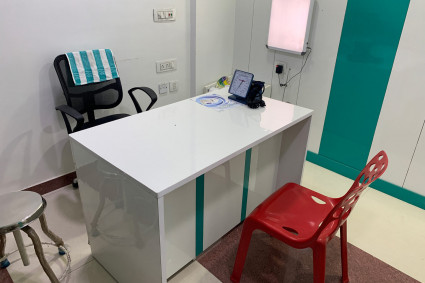
If you're about to begin treatment with a medical oncologist in India, here's a simple walkthrough of what the journey typically looks like, from your first appointment onward.
The First Consultation Sets the Foundation
Your first meeting with a medical oncologist is rarely about starting treatment immediately. It's about building a complete picture first.
They'll review your diagnosis, biopsy results, and any imaging you've already had done.
They'll ask detailed questions about your symptoms, overall health, and medical history.
They'll explain what type and stage of cancer you're dealing with, in plain terms.
They'll outline the treatment options available, along with realistic expectations for each.
This first appointment often takes longer than people expect, and that's actually a good sign it means the doctor is taking time to get things right rather than rushing into a plan.
Building a Personalized Treatment Plan
No two cancer cases are identical, even when the diagnosis sounds the same on paper. A cancer specialist typically considers several factors before finalizing your plan.
Type and stage of cancer – this determines whether surgery, chemotherapy, radiation, immunotherapy, or a combination makes the most sense.
Overall health and age – your general fitness and any existing conditions influence how your body might respond to treatment.
Biomarker or genetic testing results – these can reveal whether certain targeted therapies might work particularly well for your specific case.
Your own preferences and lifestyle – a good oncologist factors in your daily life and priorities, not just the clinical numbers
As cancer specialist, often tells patients that a treatment plan isn't something handed down, it's something built together, with the patient understanding and agreeing with each step along the way.
What Treatment Sessions Actually Look Like
Depending on your specific plan, treatment might involve chemotherapy infusions, targeted therapy, immunotherapy, or a mix of these. Here's a general sense of what to expect.
Chemotherapy sessions are usually done in cycles, meaning treatment days are followed by rest periods to allow your body to recover.
Session duration varies – some sessions take a couple of hours, while others may take longer depending on the specific drugs involved.
Side effects are actively managed – fatigue, nausea, or appetite changes are common, but oncologists now have far better tools to manage these than in the past.
Regular monitoring through blood tests and scans helps track how well your body is responding along the way.
It's worth remembering that treatment plans are rarely static; they're adjusted based on how you respond, not locked in from day one.
The Role of Your Oncologist Throughout Treatment
Cancer Treatment isn't just present during the first diagnosis and then absent until the end. Their role continues throughout the entire journey.
They monitor your response to treatment through regular check-ins and test results.
They adjust dosages or switch approaches if something isn't working as expected.
They manage side effects proactively, rather than just reacting once they become severe.
They coordinate with surgeons, radiologists, and other specialists so your care stays organized rather than fragmented.
Patients researching cancer specialists in Ahmedabad often mention that having one doctor consistently overseeing the full picture like Dr Viraj Lavingia does for his patients makes the process feel far less chaotic than juggling disconnected opinions.
Life During Treatment
Treatment doesn't necessarily mean life comes to a complete stop. Many patients continue with modified versions of their daily routines, depending on how they're feeling.
Energy levels often fluctuate, so planning lighter days around treatment sessions helps.
Nutrition and hydration play a bigger role than people expect in managing side effects.
Emotional support from family, friends, or support groups genuinely makes a difference in how manageable the journey feels.
What Comes After Active Treatment
Once the main treatment phase is complete, the journey shifts into follow-up care, regular scans, blood tests, and check-ins to monitor for recurrence and manage any lingering side effects. This phase is just as important as active treatment itself, even though it often gets less attention.
A Simple Way to Approach It
Cancer treatment can feel like a lot to process all at once, but it typically unfolds step by step, with your medical oncologist guiding each stage along the way. Knowing what to expect from the consultations, the planning, the sessions, and the follow-up often makes the entire experience feel far more manageable than it initially seems.