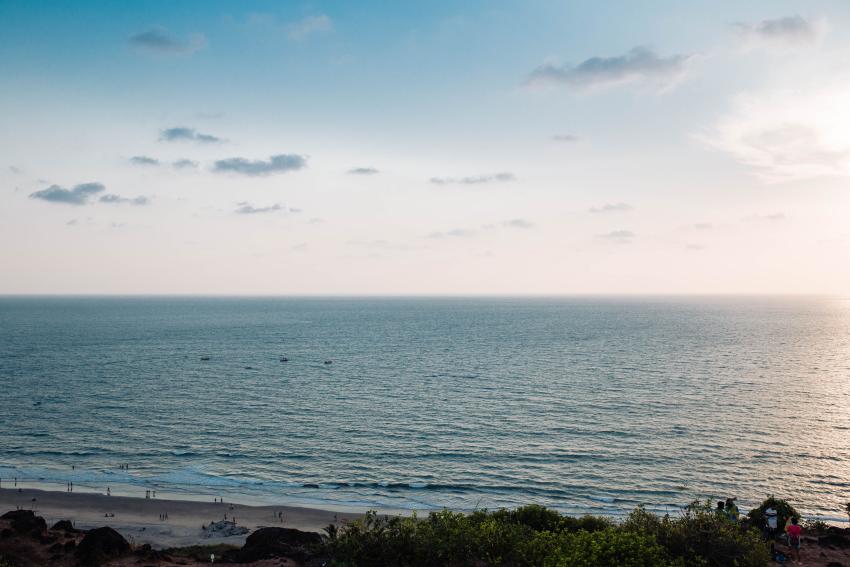
Swapping the chaotic rush of Delhi for the balmy, palm-fringed coast of the Arabian Sea is a ritual almost every North Indian traveler undergoes at least once. Whether you are hopping on a direct flight from Indira Gandhi International Airport or taking the scenic train route down south, picking the right Goa tour package can mean the difference between a smooth beach vacation and an overwhelming logistical headache. Goa may look small on a map, but its distinct north-and-south regional split, seasonal shifts, and varied travel styles mean you need a solid game plan before booking your trip.
Understanding the North vs. South Goa Divide
Before you look at hotel pictures or scroll through itineraries, you need to decide where you actually want to spend your time. Goa essentially functions as two different destinations under one name.
North Goa: High Energy, Nightlife, and Busy Flea Markets
North Goa is where you go if you want to be in the middle of the action. Baga, Calangute, and Candolim are packed with beach shacks, water sports operators, and energetic night markets. It is loud, vibrant, and incredibly popular with group travelers or first-timers who want quick access to nightlife hotspots like Tito’s Lane or hilltop clubs in Anjuna.
South Goa: Quiet Bays, Luxury Resorts, and Unspoiled Nature
South Goa moves at a completely different pace. Beaches like Palolem, Agonda, and Majorda offer wide stretches of clean, soft sand with far fewer crowds. The heritage architecture in Old Goa, Portuguese-style mansions, and high-end coastal resorts dominate this zone. If you are traveling with family or just want to relax with a book while listening to the waves, focus your itinerary on the southern districts.
How to Get There from Delhi
Getting from Delhi to Goa is straightforward, but your choice of transit impacts both your budget and your available vacation time.
By Air: Flying is the fastest option. Direct flights from New Delhi (DEL) to either Dabolim Airport (GOI) or the newer Manohar International Airport in Mopa (GOX) take roughly 2.5 to 3 hours. Flying into Mopa is often convenient if you are staying in North Goa, while Dabolim sits more centrally.
By Rail: If you enjoy long train journeys, trains like the Trivandrum Rajdhani or the Goa Express connect Delhi directly to Madgaon or Thivim stations. The journey takes anywhere from 24 to 30 hours, making it an affordable alternative if you have days to spare.
Local Transport: Once you arrive, renting a scooter or a self-drive car is usually the most economical way to move around. Local taxis do not run on meters, so hailing cabs on the spot can quickly eat into your daily budget unless you arrange transfers through a reputable company offering customized Goa holiday packages tailored to your needs.
When is the Best Time to Visit?
Goa's climate dictates the kind of experience you will have, along with the price tag attached to it.
Peak Season (Nov – Feb) | Cool breezes, clear skies, high hotel rates, active nightlife Shoulder Season (Oct, Mar-Apr) | Warm days, moderate crowds, better resort discounts Monsoon Season (Jun – Sep) | Lush greenery, heavy rains, shut water sports, lowest prices
November through February brings pleasant temperatures, cool sea breezes, and full-scale operations for all beach shacks and water activities. However, peak dates around Christmas and New Year see hotel prices skyrocket across the board.
If you want to dodge the massive crowds while still enjoying good weather, consider visiting in late October or March. Monsoons (June to September) offer a completely different view of the state—waterfall treks like Dudhsagar are at their peak, and the countryside turns bright green, though rough seas mean swimming is completely off-limits.
Budgeting for Your Trip: What to Expect
A typical 4-day or 5-day itinerary can vary significantly depending on your travel style and accommodation choices.
Accommodation and Meals
Budget guesthouses and hostels in places like Arambol or Panaji start around ₹1,000 to ₹1,800 per night. Mid-range 3-star hotels usually fall between ₹3,500 and ₹6,000, while luxury beachfront resorts in South Goa can run anywhere from ₹12,000 to ₹25,000+ per night during high season.
Food expenses are flexible. Eating fresh seafood at local beach shacks or neighborhood thali spots costs very little, whereas dining at upscale international restaurants in Assagao or Panaji will match Delhi fine-dining prices.
Sightseeing and Activities
Plan ahead for extra expenses like water sports packages (parasailing, banana boat rides, jet skiing), entry fees for heritage sites, or spice plantation tours with traditional buffet lunches. Renting a automatic scooter costs about ₹400 to ₹800 per day depending on the season, plus fuel.
Common Mistakes Delhi Travelers Make
Trying to see everything in 3 days: Goa looks compact, but traffic along narrow roads—especially between North and South Goa—can eat up hours of your day. Pick one zone as your base rather than switching hotels every night.
Relying solely on ride-hailing apps: Standard ride-hailing platforms do not operate freely across Goa due to local transport regulations. Always confirm how you plan to commute before landing at the airport late at night.
Ignoring local safety warnings: The ocean currents along the Goan coast can be surprisingly strong. Always stick to zones monitored by active lifeguards, and respect warning flags posted along the shoreline.
Making the Most of Your Coastal Escape
Planning a trip south from Delhi does not have to be complicated. By deciding on your preferred vibe early—whether that means dancing by the water in the north or relaxing under palm trees in the south—you can easily shape an itinerary that matches your pace and budget. Pay attention to seasonal weather patterns, sort out your local transport options beforehand, and give yourself enough unscheduled time to simply enjoy the laid-back coastal routine.