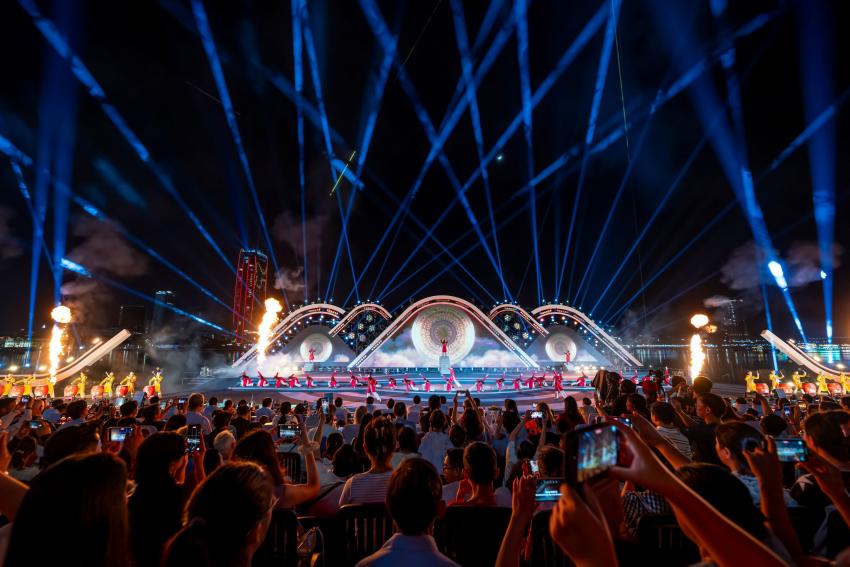
Walk into any well produced event and you will notice something before you notice anything else. The stage. It sets the tone, frames the speakers, and tells the audience where to look and what matters most. Get it right and nobody thinks twice about it. Get it wrong and it becomes the only thing people remember.
If you are planning a corporate event, conference, trade show, concert, gala, or product launch in the city, sourcing a stage rental Toronto companies actually trust is one of those decisions that seems simple on the surface but carries a lot of weight once you dig into it. Size, safety, layout, and design all need to work together, and they all need to work for your specific venue and audience.
Why Stage Selection Deserves More Thought Than It Usually Gets
A lot of event planning happens in a rush. Catering, lighting, seating charts, and guest lists tend to eat up most of the planning calendar, and staging gets treated as an afterthought. That is a mistake, because the stage is functionally the backbone of the entire production.
Think about it this way. Every speaker, performer, panel, or product reveal happens on or around that platform. If it is too small, people feel cramped and the presentation looks awkward on camera. If it is too large for the room, it can overwhelm the space and eat into seating capacity you actually needed.
It Shapes the Guest Experience
Sightlines matter more than most planners realize until they are standing at the back of a packed room trying to see over heads. A properly sized and positioned stage keeps every seat in the venue a good one, which directly affects how engaged your audience stays throughout the event.
It Reflects on Your Brand
For corporate clients especially, the stage is a visual extension of the company hosting the event. A tired, mismatched, or poorly finished platform sends a subtle but real message about attention to detail. A clean, well branded stage does the opposite. It signals that the organization behind the event cares about quality.
Matching Stage Size to Event Type
There is no single stage that works for every occasion, which is why customization matters so much.
Corporate conferences and panels usually call for a modest, wide platform that accommodates several speakers or a moderated discussion without feeling crowded. Height is often kept low to maintain an approachable, conversational feel with the audience.
Trade shows and product launches tend to need more dramatic staging, sometimes with elevated platforms for product reveals, runway style extensions, or multi level designs that create visual drama for a big announcement.
Concerts and live performances require sturdy, larger footprint stages built to handle performers moving around, equipment like instruments or DJ booths, and in some cases choreography or multiple performers at once.
Galas and award ceremonies often benefit from an elegant, slightly elevated stage with room for a podium, a screen backdrop, and space for award presentations or photo moments.
Working with a team that understands these distinctions from experience, rather than guessing, saves a lot of back and forth during the planning process.
Safety Is Not Negotiable
This is the part of staging that rarely makes it into the glossy event photos but absolutely needs to be front of mind. A stage is only as good as its structural integrity.
Load Capacity and Weight Distribution
Every stage has a weight limit, and that limit changes depending on how many people will be on it at once, what equipment sits on top of it, and whether performers will be moving dynamically across the surface. Proper planning accounts for all of this before the event day, not during it.
Secure Installation
A stage that is not properly leveled, locked, or anchored is a liability regardless of how good it looks. Experienced installation crews check flooring conditions, use appropriate decking and support systems, and make sure every section is secured before anyone steps foot on it.
Accessibility
Ramps, railings, and clear pathways are not just good practice, they are often required depending on the venue and the nature of the event. Planning for accessibility from the start avoids last minute scrambling.
Design and Customization That Actually Fits the Event
Generic staging can work in a pinch, but the events that leave a strong impression usually have staging that feels custom built for the occasion.
Branding Integration
Skirting, backdrops, and riser finishes can all be adapted to match brand colours or event themes. This is a relatively small detail in the grand scheme of production but it has an outsized visual impact in photos, livestreams, and on stage moments.
Multi Level and Modular Configurations
Some events benefit from tiered staging, side platforms for musicians or additional speakers, or modular pieces that can be reconfigured between segments of the same event. Flexibility here often separates a forgettable setup from a memorable one.
Integration With Lighting and AV
A stage rarely stands alone. It needs to work in harmony with lighting rigs, screens, sound reinforcement, and sometimes video walls. Planning staging and AV together, rather than as separate line items, tends to produce a far more cohesive final result.
Planning Tips for a Smooth Staging Experience
A few practical habits go a long way toward avoiding stress closer to event day.
Start with the venue layout early. Room dimensions, ceiling height, and floor type all influence what staging options make sense.
Confirm the guest count and speaker or performer list before finalizing stage dimensions, since these numbers directly affect sizing decisions.
Ask about installation and breakdown timelines, especially for venues with tight load in windows or back to back bookings.
Loop in your AV and lighting team early so staging design accounts for cable runs, sightlines, and equipment placement from the start rather than as a retrofit.
Why Professional Support Makes the Difference
Staging looks straightforward from the outside, but the coordination behind a safe, well designed platform involves engineering knowledge, venue experience, and a genuine understanding of how different event formats function in practice. A team that handles staging regularly across corporate events, conferences, trade shows, concerts, galas, and product launches brings a level of foresight that is hard to replicate with a generic rental.
Summer brings the busiest stretch of the Toronto event calendar, with festivals, outdoor galas, and back to back conferences filling venues across the city. Booking staging early during these months helps avoid scheduling conflicts and last minute availability issues.
Bringing It All Together
Staging is one of those elements that quietly determines whether an event feels polished and professional or slightly off. The size, the safety measures, the design choices, and the installation all need to come together seamlessly, and that takes real expertise, not guesswork.
If you are planning an upcoming event in Toronto and want staging that is safe, well designed, and tailored to your specific format, reach out to AV-CANADA. Their team works closely with clients from the earliest planning stages through installation and breakdown, making sure your stage supports the event rather than becoming a source of last minute stress. Get in touch today to talk through your event details and start building a staging plan that actually fits your vision.