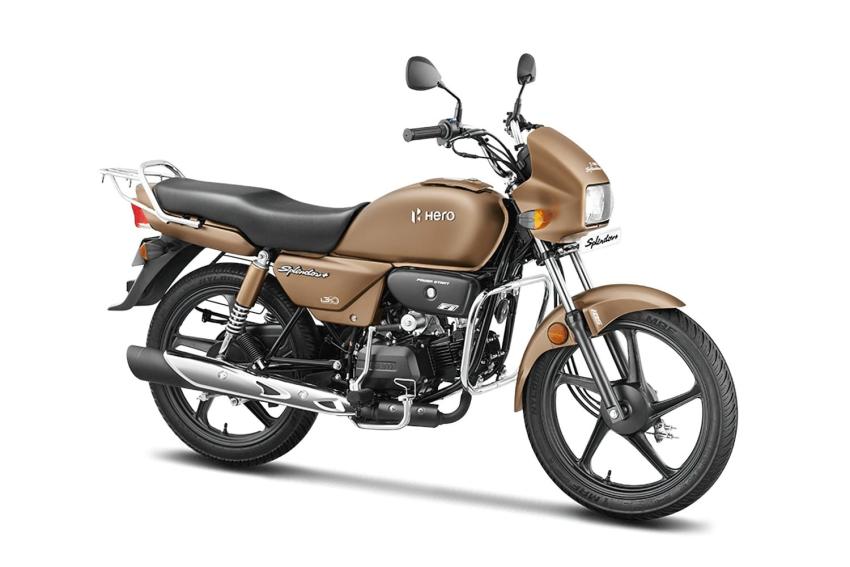
The Hero Splendor Plus is the motorcycle lakhs of Indians depend on for work, and the buying decision usually comes down to one question: pay the full amount now or spread it through an EMI bike loan. With the bike priced from around Rs. 76,958 (ex-showroom), both routes are realistic for most households. The right choice depends on your cash position, your income pattern, and how urgently you need the bike. This article lays out the numbers and the trade-offs so you can decide in minutes.
The direct answer
When buying a Hero Splendor Plus, pay upfront if you have the full amount saved without touching your emergency fund. Choose finance if paying upfront would empty your savings, if you need the bike immediately for work, or if your income arrives monthly and small EMIs fit your budget better than one large outflow. Neither option is wrong; they suit different situations.
What each option looks like in numbers
The table below compares an upfront purchase with a typical financed purchase, using an illustrative loan of Rs. 85,000 repaid over three years at 10 percent interest.
Factor
Upfront payment
Financed purchase
Money needed on day one
Full amount
Down payment of roughly Rs. 10,000 to 15,000
Monthly outflow
Nil
Around Rs. 2,700 for 36 months
Total interest paid
Nil
Roughly Rs. 13,700 over the tenure
Savings impact
Large one-time hit
Spread across three years
Ownership of documents
Immediate
After loan closure
Note: Interest rates, tenures, and processing fees vary by lender and applicant profile. Use a loan calculator with your actual quote before deciding.
The cost of convenience, then, is around Rs. 13,000 to 14,000 in interest on a typical three-year loan. Whether that is expensive or cheap depends on what your money does otherwise.
When paying upfront makes more sense
Full payment suits buyers who have surplus savings beyond their emergency fund of three to six months’ expenses. The benefits are simple:
You save the entire interest amount and processing fees
The registration certificate carries no hypothecation, which simplifies resale
There are no monthly obligations if your income dips
Negotiating power at the dealership sometimes improves with full payment
A small business owner with seasonal income, for example, may prefer clearing the purchase in a strong month rather than committing to EMIs that pinch during lean periods.
When an EMI bike loan makes more sense
An EMI bike loan suits three common situations. First, the daily commuter who needs the bike this week to reach work or run a business, but has only part of the amount saved. Waiting six months to save fully would cost more in lost earnings or rickshaw fares than the loan interest. Second, the salaried buyer whose monthly budget absorbs Rs. 2,500 to 3,000 easily, but for whom Rs. 90,000 at once would wipe out savings. Third, the first-time borrower who wants to build a credit history; a small two-wheeler loan repaid on time is one of the simplest ways to establish a good credit score for larger loans later.
Financing also keeps your emergency fund intact. If a medical expense arrives two months after the purchase, the upfront buyer may be forced into a costlier personal loan, while the financed buyer still has savings to draw on.
What first-time borrowers should check before signing
Getting a two-wheeler loan is simpler than most first-time applicants expect, but a short checklist prevents surprises:
Compare the interest rate and processing fee across at least two or three lenders
Ask whether the rate is fixed or floating, and confirm prepayment charges
Keep identity proof, address proof, and income proof or bank statements ready
Check the total repayment amount, not just the EMI figure
Confirm the down payment requirement, which typically runs 10 to 20 percent
Buyers with a healthy credit score generally receive better rates, so it is worth checking your score for free before applying.
Frequently asked questions
How much EMI should I expect for a Hero Splendor Plus? For a typical loan of Rs. 85,000 over three years at around 10 percent, the EMI works out to roughly Rs. 2,700 per month. Shorter tenures raise the EMI but cut total interest.
Does the Splendor Plus hold value if I sell before the loan ends? Yes, resale demand is strong, but you must close the loan and remove hypothecation before transferring ownership.
Is a longer tenure better? A longer tenure lowers the monthly EMI but increases total interest paid. Choose the shortest tenure your monthly budget comfortably allows.
The Splendor Plus rewards either path with famously low running costs of around 60 kmpl and minimal maintenance. Decide based on your savings buffer rather than the sticker price, run your exact numbers through an EMI calculator, and the rest of the ownership experience takes care of itself.