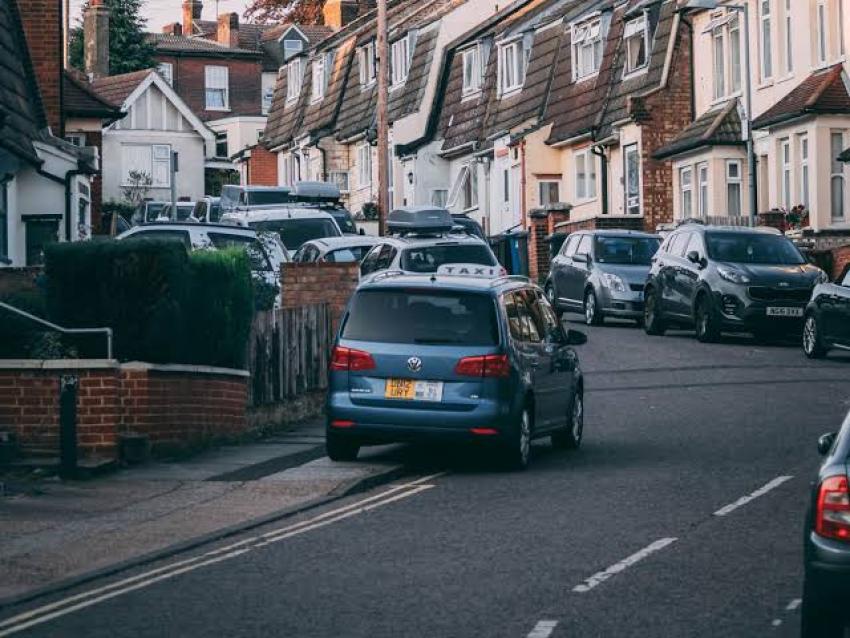
Urban driving imposes quite a different type of mechanical stress on vehicles as compared to long motorway or country road drives. Constant braking and idling at traffic lights, very slow-speed moving, repeated very short trips, and continual speed building each impose unique types of stress on the different vehicle systems that may not be adequately covered by routine periodic servicing.
Experienced city or suburban drivers who spend hours in the car each day would definitely be better off knowing that the kind of driving they do affects the component degradation rate and that their vehicle may need extra care beyond the basic manufacturers’ recommendations.
How Stop-Start Traffic Affects the Engine
Since the engines on urban roads are hardly ever allowed to warm up or stay at a temperature level sufficient for their efficient operation, the efficiency gains from that condition are not enjoyed. It is quite surprising that several vehicle systems get impacted at the same time by this, and as a result, different kinds of maintenance requests become inevitable from a situation of extended drives that are typically associated with such changes.
Engine oil condition and short trips
A cold engine start-up is followed by a short period during which oil pressure is not fully restored in the engine's oil circuit. Thereby, critical components such as cam lobes and the bearings work with minimal protection until oil is distributed through all oil galleries. Vehicles subjected to short runs and frequent starts often experience engine wear and tear during starts, without the opportunity for the engine to compensate by reaching its working temperature after each start-up.
By comparison, a vehicle with equivalent mileage but fewer and longer journeys would suffer much less internal wear. Therefore, changing the oil every six months instead of once a year is the best way to deal with a vehicle frequently used for city driving.
Catalytic Converter Operation
To catalyse a proper chemical conversion process, a catalytic converter needs to be at the operating temperature, and generally, the required threshold temperature is above 400 degrees Celsius. Urban trips, where the engine is only used for short distances and does not fully warm up, make it almost impossible for the converter to reach and sustain this operating temperature on a consistent basis.
Fuel that is not fully burnt ends up moving through the converter and leaving the catalyst substrate dirty. After some time, the ability of the converter to control fuel emissions diminishes, and this may lead to the engine warning light flashing. Frequent long stretches with constant speed allow the catalytic converter to clean itself in the periods between services.
Brake System Wear in Urban Environments
City driving causes a person to press the brake pedal more often than on the motorway or in the country for the same distance. This wears the brake pads faster and creates more heat cycling between the disc and the pad.
Brake Dust on Alloy Wheels
Stopping repeatedly in a dense city causes more brake dust than running at a fast speed continuously during that duration. That brake dust ends up on the alloy wheel surfaces. The brake dust includes metals that stick to the wheel surface over time, which makes them very hard to clean. Washing the wheels frequently prevents this adhesion from happening, which safeguards your finish and also gives you the chance to look around the rim for any damage.
Those drivers who choose to have their car serviced by expert technicians at an authentic garage with a professional Car Service Smethwick garage appointment can expect a very thorough look-out by technicians who, in fact, take time to measure brake pad thickness as part of the standard service. They can quickly identify any excessive wear caused by the urban environment that may damage your vehicle's stopping performance.
Annual Testing for Urban Vehicles
Vehicles running mainly in big cities face special issues when it comes to being tested annually for roadworthiness. The issues are different from those faced by cars that mainly drive on the highway for longer journeys.
Lights and Starter System Malfunctions
Stop-start cars use starters more often than normal cars. It puts more stress on the battery as well as the starter itself. A battery getting weak in a stop-start car may cause random failures in parts of the car that depend on a certain degree of voltage, such as lights and the dashboard display.
Such errors may be indicated by warnings that go on and out. A light warning that a car inspector can see at a yearly test results in a failed roadworthiness test, regardless of whether that light was on continuously before. Testing battery status ahead of the annual test date is a good way to find out if this problem could happen.
If a person decides on having his annual inspection conducted at a professional MOT Centre Smethwick, in this case he will be provided the entire evaluation that consists of lighting and electrical tests as well as the other standard roadworthiness ones.
Practical Steps for Urban Drivers
City drivers can take steps to reduce the wear and demands that come with this driving style.
- Shorten the frequency of oiling to be every six months or 6,000 miles, since repeated cold-weather running makes this a major wear point.
- Use a pH-neutral brake cleaner and wash the alloy wheels twice a month so that brake dust doesn't settle and the rim damage is hidden.
- Take longer drives occasionally so the entire engine is fully warmed up. This helps the catalytic converter operate at a temperature that removes all accumulated contaminants and toxins.
- Schedule battery inspection annually instead of waiting until it breaks down, especially for stop-start vehicles, with battery cycling leading to a more rapid decline in capacity over time.
Conclusion
Certain aspects of the vehicle are more severely impacted by urban driving than by other driving patterns, even if the annual mileage is much lower. By being aware of these particular demands and changing the maintenance plan, you can avoid slowly developing degradation that conventional maintenance intervals might not have picked up. A reliable nearby workshop that is well-versed in the nature and habits of such users will undoubtedly offer drivers the right, focused and efficient maintenance approach during periods of intensive urban operation.