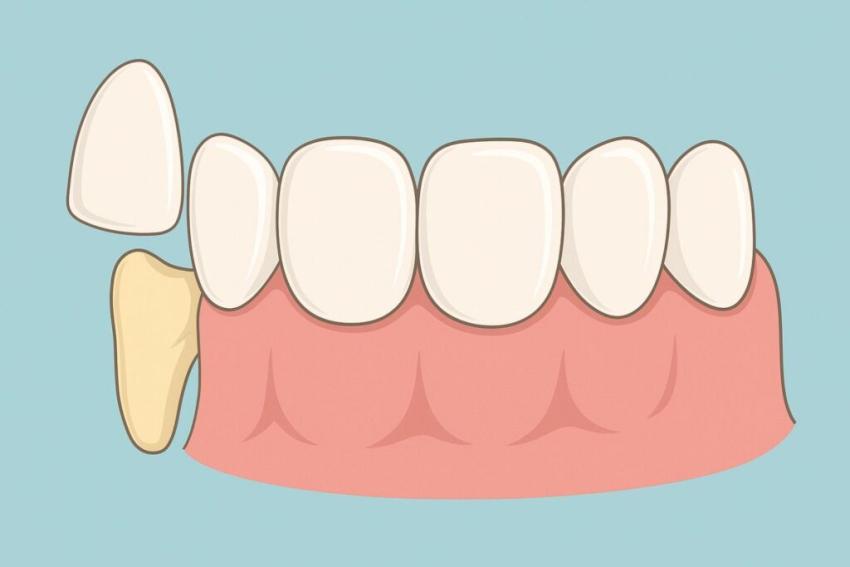
A beautiful smile can boost your confidence, improve first impressions, and make you feel more comfortable in social and professional settings. However, chipped teeth, stains, small gaps, or uneven teeth can affect how you feel about your smile. Fortunately, dental veneers offer a long-lasting cosmetic solution that can dramatically improve the appearance of your teeth.
Dental veneers have become one of the most popular cosmetic dentistry treatments because they provide natural-looking results with minimal alteration to the natural tooth. If you're considering enhancing your smile, understanding how veneers work can help you make an informed decision.
What Are Dental Veneers?
Dental veneers are thin, custom-made shells designed to cover the front surface of teeth. They are bonded permanently to the teeth to improve their color, shape, size, and overall appearance.
Each veneer is individually crafted to match your surrounding teeth, creating a natural and attractive smile. Veneers are commonly made from porcelain or composite resin, with porcelain being the preferred choice due to its durability and stain resistance.
Who Is a Good Candidate for Dental Veneers?
Dental veneers are suitable for many adults who have healthy teeth and gums but want to improve the appearance of their smile.
You may be a good candidate if you have:
- Discolored teeth that don't respond to whitening treatments
- Chipped or cracked teeth
- Small gaps between teeth
- Slightly crooked or uneven teeth
- Worn-down teeth
- Misshapen teeth
However, veneers may not be recommended if you have untreated gum disease, severe tooth decay, or significant teeth grinding unless these issues are addressed first.
Types of Dental Veneers
Porcelain Veneers
Porcelain veneers are the most popular option because they closely resemble natural tooth enamel. They are highly resistant to stains and can last 10 to 15 years or even longer with proper care.
Advantages include:
- Natural appearance
- Excellent stain resistance
- Long lifespan
- Strong and durable
- Custom-designed for each patient
Composite Veneers
Composite veneers are made from tooth-colored resin applied directly to the teeth. They usually require less preparation and can often be completed in a single visit.
While composite veneers are more affordable, they generally have a shorter lifespan of about 5 to 7 years and may stain more easily than porcelain.
The Dental Veneers Procedure
Getting dental veneers usually involves two or three appointments.
Initial Consultation
Your dentist will examine your teeth, discuss your cosmetic goals, and determine whether veneers are the right option. Digital X-rays or photographs may also be taken to plan your treatment.
Tooth Preparation
A very thin layer of enamel is gently removed from the front of the tooth to create space for the veneer. This ensures a comfortable fit and a natural appearance.
Impressions and Fabrication
Impressions or digital scans of your teeth are sent to a dental laboratory where your custom veneers are carefully crafted.
Placement
Once the veneers are ready, your dentist checks their fit, color, and shape before permanently bonding them to your teeth using a strong dental adhesive. Minor adjustments are made to ensure a comfortable bite.
Benefits of Dental Veneers
Dental veneers offer numerous cosmetic and functional advantages.
Some of the biggest benefits include:
- Creates a brighter, whiter smile
- Covers stains that whitening cannot remove
- Improves tooth shape and symmetry
- Repairs chipped or worn teeth
- Closes small gaps
- Provides natural-looking results
- Long-lasting cosmetic improvement
- Requires minimal maintenance
Because porcelain reflects light similarly to natural enamel, veneers often blend seamlessly with your existing teeth.
Are Dental Veneers Permanent?
Since a small amount of enamel is typically removed during preparation, traditional veneers are considered an irreversible treatment. Although the veneers themselves may eventually need replacement due to normal wear, the treated teeth will continue to require some form of coverage.
Your dentist will discuss this commitment during your consultation so you know what to expect before proceeding.
How to Care for Dental Veneers
Proper care helps maximize the lifespan of your veneers.
Follow these simple tips:
- Brush twice daily using a soft-bristled toothbrush.
- Floss every day to maintain healthy gums.
- Avoid biting hard objects such as ice or pens.
- Wear a night guard if you grind your teeth.
- Limit foods and beverages that can stain composite veneers.
- Visit your dentist regularly for professional cleanings and examinations.
Maintaining good oral hygiene is essential for protecting both your veneers and your natural teeth.
Are There Any Risks?
Dental veneers are considered a safe and predictable cosmetic treatment when performed by an experienced dentist.
Some patients may experience temporary tooth sensitivity after the procedure. Veneers can also chip or crack if exposed to excessive force, although this is relatively uncommon with proper care.
If you participate in contact sports, wearing a custom mouthguard can help protect your veneers from accidental damage.
Final Thoughts
Dental veneers offer an effective way to enhance your smile by correcting discoloration, chips, minor gaps, and uneven teeth. Whether you choose porcelain or composite veneers, the treatment can provide a natural-looking transformation that lasts for years with proper care.
The best results begin with a comprehensive consultation. An experienced cosmetic dentist can evaluate your oral health, discuss your smile goals, and recommend the most appropriate treatment for your needs. If you're looking for a long-lasting solution to improve your smile, dental veneers may be an excellent investment in both your appearance and confidence.