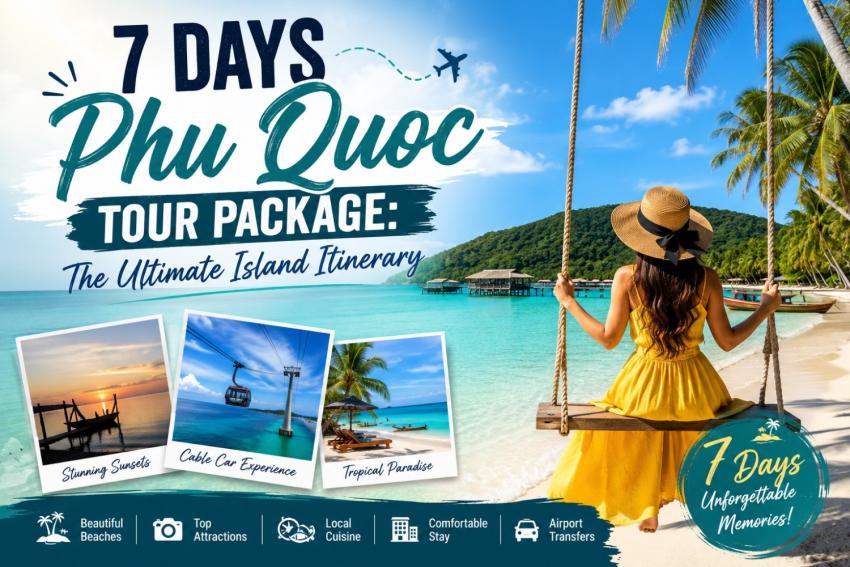
Vietnam has no shortage of coastline, but Phu Quoc hits a bit differently. It is the kind of place where you can spend the morning riding the world’s longest over-sea cable car and the afternoon sitting on a plastic stool at a night market, eating sea urchin grilled with scallion oil. If you are looking to escape the mainland rush, booking a 7 days Phu quoc tour package gives you just enough time to slow down, explore the dense northern jungles, and island-hop across the southern An Thoi archipelago without feeling like you are running a marathon.
Planning a full week here requires a balance between beach flopping and actual exploration. Here is how to map out seven days on Vietnam's emerald island without missing the details that make it special.
Getting Your Bearings: North vs. South Phu Quoc
Phu Quoc is shaped roughly like a teardrop, and how you split your time matters. The center of the action is Duong Dong town, located on the western coast. This is where you will find the main cluster of hotels, cafes, and the famous night market.
The northern part of the island is dominated by a massive national park, peppered with pepper plantations and quieter, wilder beaches like Ganh Dau. The south is the gateway to the smaller islands, home to the bustling An Thoi port and major resort developments. For a week-long stay, splitting your accommodation or basing yourself centrally near Long Beach is usually the smartest move to avoid spending hours in taxis.
Days 1 to 3: Coastal Rhythms and Local Culture
Spend your first few days adjusting to the island pace. Start with Long Beach (Bai Truong), which stretches down the western coast. It is the premier spot for catching those famous Gulf of Thailand sunsets, usually accompanied by a cold Bivina beer at a beachside shack.
By day two, head into Duong Dong to understand how the island actually lives. Skip the hotel breakfast and look for a bowl of Bun Quay (stirred noodles). It is a local specialty where fresh fish and shrimp paste are smeared raw onto the bottom of a bowl, cooked instantly by boiling noodle water poured over the top. You stir it yourself with a custom mix of calamansi juice, chili, and sugar.
In the afternoon, visit a traditional fish sauce factory (nha thung). Phu Quoc fish sauce is legally protected in the EU, much like Champagne, because it uses local black anchovies fermented in giant wooden vats. The smell is intense, but the taste is unmatched. Follow this with a trip to the Dinh Cau Rock temple, which sits right at the mouth of the harbor where fishermen still pray for safe voyages before heading out to sea.
Days 4 and 5: Island Hopping and Coral Reefs
The southern islands are where you find the clearest water. A classic day trip involves taking a boat out from An Thoi port toward the small islets of Fingernail Island (Hon Mong Tay), Dam Ngang, and May Rut.
A quick tip on snorkeling: The main coral sites can get crowded around midday. Look for tour operators that run early bird or sunset trips to avoid the mass tour boats.
If you prefer to keep your feet dry while enjoying the views, the Hon Thom Cable Car is worth the ticket. It glides high over fishing villages and coral waters, landing on Pineapple Island. The journey takes about 15 minutes each way and offers a bird's-eye view of the traditional wooden fishing fleets that still dominate the local economy.
When you get back to the main island, make time for Bai Sao (Starfish Beach). While it is famous for its white sands, it can get heavily touristed. Go early in the morning before 9:00 AM to see the water at its calmest and cleanest.
Day 6: The Wild North and Pepper Farms
The northern loop feels entirely different from the resort-heavy south. Rent a scooter if you are confident, or hire a driver for the day to head up toward the Phu Quoc National Park. The roads cut through dense forest canopy, offering cool relief from the coastal heat.
Stop at a local pepper farm along the way. Phu Quoc pepper is highly prized by chefs globally for its heat and aromatic qualities. You can walk through the rows of tall vines and buy a bag of sea salt mixed with pink pepper to take home.
Continue north to Ganh Dau beach. From the shoreline here, you can look across the water and clearly see the coast of Cambodia just a few kilometers away. It is a quiet spot, perfect for a slow lunch of fresh seafood right on the sand.
Day 7: Slow Mornings and Packing Up
On your final day, skip the big excursions. Sleep in, visit a local cafe for a traditional Vietnamese iced coffee with condensed milk (ca phe sua da), and pick up some last-minute souvenirs. Aside from pepper and fish sauce, the island is known for cultivated pearls, which you can buy directly from reputable pearl farms along the coast.
Practical Planning Tips for First-Time Visitors
Best Time to Visit: The dry season runs from November to April. This is when the seas are calm, skies are blue, and the beaches on both sides of the island are beautiful. The monsoon season hits between July and October, bringing heavy rains and rough seas, which can cancel boat trips.
Getting Around: Taxis are readily available via ride-hailing apps, which keeps pricing transparent. Motorbikes are cheap to rent (around 150,000 VND per day), but only take this option if you have an international driving permit and experience on chaotic roads.
Common Mistake: Don't book a resort on the east coast if you want to see sunsets, or on the west coast if you are chasing the calmest water during the summer months. The winds shift seasonally, changing beach conditions completely.
If you are currently researching options to make this trip a reality, exploring a curated Phu quoc trip package can save you the headache of coordinating individual transfers, boat permits, and regional guides yourself. Keep your itinerary flexible, leave room for spontaneous seafood dinners, and let the island time take over.