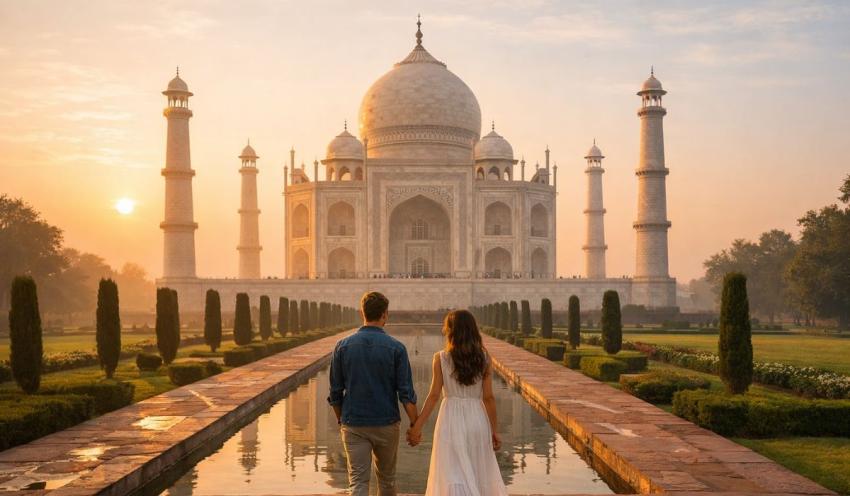
Planning a trip to India is exciting, but choosing the right time to book can make your journey even better. The Golden Triangle route, covering Delhi, Agra, and Jaipur, is India's most popular travel circuit. It combines grand monuments, vibrant markets, royal palaces, and centuries of history into one unforgettable trip.
Whether you're traveling with family, as a couple, or on your first visit to India, booking at the right time helps you enjoy better weather, lower prices, and a smoother travel experience. In this guide, we'll help you understand the best season to visit and when you should reserve your trip for maximum value.
Why Timing Matters
Many travelers focus only on where to stay or what to see, but when you travel is just as important. Weather, festivals, hotel availability, and tourist crowds all change throughout the year.
By planning ahead, you can:
- Enjoy comfortable sightseeing weather.
- Find better hotel and flight deals.
- Avoid sold-out accommodations during peak season.
- Experience famous Indian festivals if your dates match.
October to March: The Best Season to Visit
For most travelers, October through March is the ideal time to explore the Golden Triangle. During these months, the weather is pleasant, making it easy to spend long hours visiting forts, palaces, and local markets. Daytime temperatures are generally comfortable, while mornings and evenings remain cool.
This season is perfect for:
- Visiting the Taj Mahal at sunrise.
- Exploring Old Delhi without extreme heat.
- Walking through Jaipur's historic streets.
- Shopping at colorful local bazaars.
- Enjoying outdoor dining and cultural performances.
Since this is the busiest travel season, hotels and popular attractions fill up quickly. Booking your tour three to six months in advance is recommended, especially if you're traveling between November and February.
November and February: The Sweet Spot
If you're looking for the perfect balance between pleasant weather and manageable crowds, November and February are excellent choices.
You'll enjoy:
- Comfortable temperatures.
- Clear skies for photography.
- Beautiful sunrise and sunset views.
- Great conditions for sightseeing.
These months are especially popular with international visitors, so early reservations help secure better hotel choices and preferred tour dates.
Want to Experience Indian Festivals?
One of the biggest advantages of planning carefully is experiencing India's colorful festivals.
Depending on your travel dates, you may witness:
- Diwali (October or November): Cities sparkle with lights, decorations, and celebrations.
- Holi (March): A vibrant festival filled with colors, music, and joyful traditions.
- Taj Mahotsav (February): A cultural festival near Agra featuring handicrafts, music, dance, and local cuisine.
Festival season creates unforgettable memories, but it also increases demand for hotels and transportation, making advance booking even more important.
Traveling During Summer
April to June is considered the off-season because temperatures across Delhi, Agra, and Jaipur can exceed 40°C. Sightseeing during the afternoon becomes challenging due to the intense heat.
However, summer also offers several advantages:
- Lower hotel rates.
- Discounted tour packages.
- Less crowded monuments.
- Better availability at luxury hotels.
If you don't mind the heat and plan your sightseeing early in the morning, summer can be a budget-friendly option.
Is Monsoon a Good Time?
The monsoon season, from July to September, brings occasional rain and greener landscapes. While showers may interrupt outdoor activities, they also create a fresh and peaceful atmosphere.
Travelers who visit during monsoon often enjoy:
- Fewer tourists.
- Beautiful scenery.
- Lower accommodation costs.
- A quieter experience at major attractions.
Photography lovers often appreciate the dramatic skies and lush surroundings that this season offers.
When Should You Book?
The ideal booking time depends on your travel season.
- Peak season (October–March): Book 3–6 months in advance.
- Festival travel: Reserve as early as possible to secure the best hotels.
- Summer or monsoon trips: Booking 1–2 months ahead is usually enough.
Planning early also gives you more flexibility in choosing hotels, transportation, and sightseeing options.
If you're looking for professionally planned Golden triangle vacation packages, choosing a trusted tour operator ensures your hotels, private transportation, sightseeing, and local experiences are organized seamlessly. You can explore customized itineraries through Golden triangle vacation packages that match different travel styles, budgets, and schedules.
Tips for a Smooth Journey
A little preparation goes a long way. Before you travel:
- Carry comfortable walking shoes.
- Wear light cotton clothing during warmer months.
- Keep a light jacket for winter mornings.
- Stay hydrated while sightseeing.
- Visit popular attractions early to avoid crowds.
These simple steps can make your trip much more enjoyable.
Final Thoughts
The Golden Triangle offers something special throughout the year, but choosing the right season can significantly improve your overall experience. For pleasant weather, easy sightseeing, and vibrant cultural experiences, October to March remains the best time to visit. Travelers looking for savings may prefer summer or monsoon, when prices are lower and attractions are less crowded.
By planning ahead and booking early, you'll have more hotel choices, better travel deals, and a stress-free itinerary. Whether it's your first visit to India or a return trip, the right timing will help you make the most of this iconic journey through Delhi, Agra, and Jaipur.